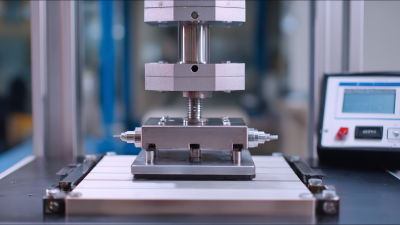
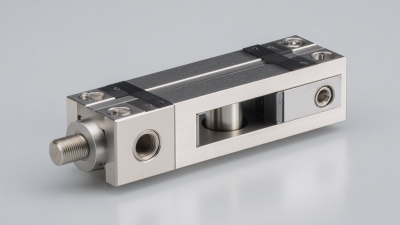
2026 Top Compression Load Cell Trends for Global Buyers?
As the market for Compression Load Cells evolves, understanding current trends is crucial for global buyers. Industry expert Dr. Emily Carter states, "The future of Compression Load Cells lies in their adaptability and precision." This encapsulates the need for innovation in this field.
Compression Load Cells are essential tools across various sectors, from manufacturing to healthcare. These devices measure force and weight with unmatched accuracy. Buyers must stay informed about advancements that enhance their performance. Increased demand for digital integration and wireless technology is shaping the industry significantly.
Emerging trends focus on miniaturization and enhanced durability. Manufacturers are striving towards creating more compact models that can withstand extreme conditions. While the growth is promising, challenges remain. Not all products meet the expected standards, leading to potential reliability issues. Hence, buyers should be cautious and conduct thorough research before purchasing.
Emerging Technologies in Compression Load Cells for 2026
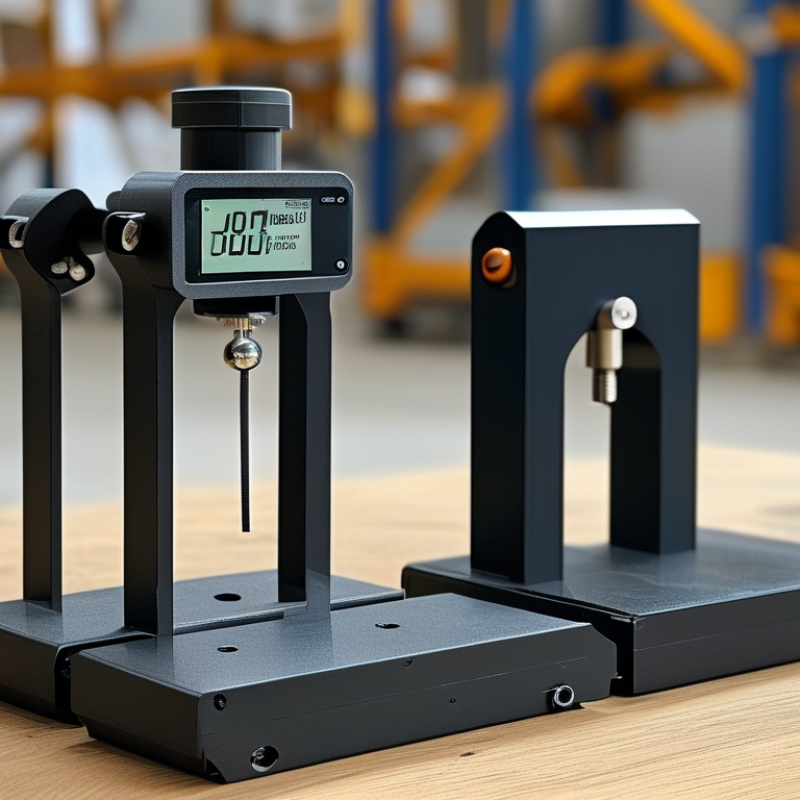
The compression load cell market is evolving rapidly as new technologies emerge. In 2026, buyers will see advancements that enhance accuracy and reliability. These innovations address critical challenges in various sectors, from manufacturing to aerospace.
One promising technology involves the integration of smart sensors. These sensors collect data in real time, providing insights that can improve performance. However, data management remains a challenge. Properly interpreting this data is vital for making informed decisions.
Additionally, miniaturization of load cells is gaining traction. Smaller devices can fit into tight spaces without sacrificing performance. This opens up new applications, particularly in robotics and medical devices. It's essential to note that smaller does not always mean better. Regular calibration and maintenance are crucial to ensuring the longevity and reliability of these load cells.
**Tips:** Always assess specific requirements before investing in new technology. Evaluate whether the latest options align with your operational needs. Seek expert advice to navigate the complexities of emerging trends effectively.
Key Features to Look for in Compression Load Cells
When considering compression load cells, several key features stand out. Accuracy is paramount. A reliable load cell must provide consistent readings across various weights. Look for specifications that highlight minimal deviation. Calibration capabilities also play a crucial role. Load cells that allow for easy recalibration can adapt to different environments and applications.
Durability is another essential factor. Compression load cells should withstand harsh conditions. Materials should resist corrosion and wear. This longevity ensures that users experience a dependable performance over time. However, higher durability often comes with increased cost. Buyers must weigh benefits against budgets carefully.
Integration capabilities should not be overlooked. A load cell that connects easily to existing systems can save time and reduce complexity. Connectivity options, like wireless communication and standard interfaces, enhance usability. Yet, be cautious of overly complicated systems. Striking the right balance between simplicity and functionality is key. Emphasizing these features will help global buyers make informed decisions in 2026 and beyond.
Market Demand Trends Influencing Load Cell Development
In recent years, the load cell market has witnessed significant evolution. As industries strive for precision and efficiency, market demand shapes the development of compression load cells. According to a recent industry report, the global load cell market is projected to reach $3.5 billion by 2026, driven by advancements in automation and smart technology.
Sustainability and energy efficiency are key drivers influencing design. Many manufacturers are focusing on creating eco-friendly load cells that reduce energy consumption. This shift aligns with global efforts to cut carbon footprints. Therefore, buyers should prioritize suppliers who prioritize sustainable practices.
Tip: Evaluate the materials used in load cell production. Sustainable materials can enhance overall efficiency.
Moreover, industries are adapting to stringent safety regulations, yielding innovations in load cell design. Advanced features such as wireless connectivity and remote monitoring enhance usability. Buyers must consider these innovations to remain competitive. However, ensuring effective integration into existing systems can be challenging.
Tip: Research compatibility with current infrastructure. Integration issues can delay expected benefits.
As market demands evolve, ongoing research and development will identify new trends. Staying informed about these developments can greatly influence purchasing decisions for global buyers.
2026 Top Compression Load Cell Trends
The chart above illustrates the impact level of significant trends influencing the compression load cell market in 2026. Areas such as technological advancements and integration with IoT are expected to have the highest impact on market demand and development.
Innovations in Materials for Enhanced Load Cell Performance
Innovations in materials are driving significant advancements in the performance of compression load cells. Recent studies indicate that the adoption of advanced composites and alloys can enhance load cell functionality. These materials offer improved durability and resistance to environmental factors. For instance, a report by the International Society of Automation suggests that load cells using carbon fiber composites can achieve up to 30% greater strength while reducing overall weight.
The trend towards miniaturization further highlights the importance of innovative materials. Smaller load cells require materials that maintain integrity under high loads. A well-known industrial report notes that the integration of nanomaterials into load cell design can lead to higher sensitivity and accuracy. This shift is crucial as industries seek to optimize precision in increasingly scaled-down applications. However, challenges remain. Not all new materials perform consistently in diverse environments. Manufacturers must conduct rigorous testing to ensure reliability across applications.
Quantifying the performance improvements remains complex. While there are promising advancements, not every new material meets industry standards effectively. Some innovations have shown better performance in controlled conditions but falter in real-world use. Continued research is needed to bridge these gaps. Balancing innovation with reliability is essential, and as market demands evolve, so too must the materials used.
Future Applications of Compression Load Cells Across Industries
Compression load cells are gaining traction in various industries. Their ability to accurately measure force and weight makes them invaluable. In sectors like manufacturing and logistics, these devices ensure precision in quality control and inventory management. As automation becomes prevalent, the role of these load cells has become more critical.
The future applications of compression load cells extend beyond traditional boundaries. In healthcare, for example, load cells can enhance monitoring of patient weight and condition. Furthermore, the rise of smart technologies pushes compression load cells into the realm of Internet of Things (IoT). This integration could lead to improved data collection and analysis in real time.
However, there are challenges to consider. The calibration of load cells requires expertise. Incorrect settings can lead to faulty measurements. Also, the fragmentation in industry standards could hinder compatibility. As these technologies evolve, ongoing improvements are necessary. The focus on reliability will shape the future of compression load cells across diverse applications.
2026 Top Compression Load Cell Trends for Global Buyers
| Industry |
Application |
Growth Rate (2026%) |
Key Benefits |
| Manufacturing |
Structural Testing |
8% |
Improved Quality Control |
| Automotive |
Load Monitoring |
10% |
Enhanced Safety Features |
| Aerospace |
Weight Measurement |
7% |
Precise Engineering Specifications |
| Construction |
Load Cell Integration |
12% |
Structural Integrity Assurance |
| Food & Beverage |
Portion Control |
9% |
Consistency in Production |

 sales@loadcellsensor.com