What are the Benefits of Using Force Sensing Load Cells?
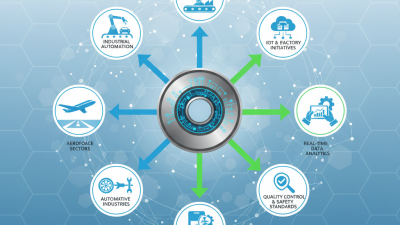
The use of Force Sensing Load Cells has gained popularity across various industries. These devices measure force or weight with high accuracy. According to a recent report by Research and Markets, the global load cell market is projected to grow significantly, reaching $6 billion by 2025. This growth underscores their importance in applications like industrial automation, robotics, and aerospace.
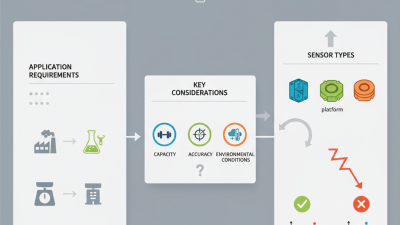
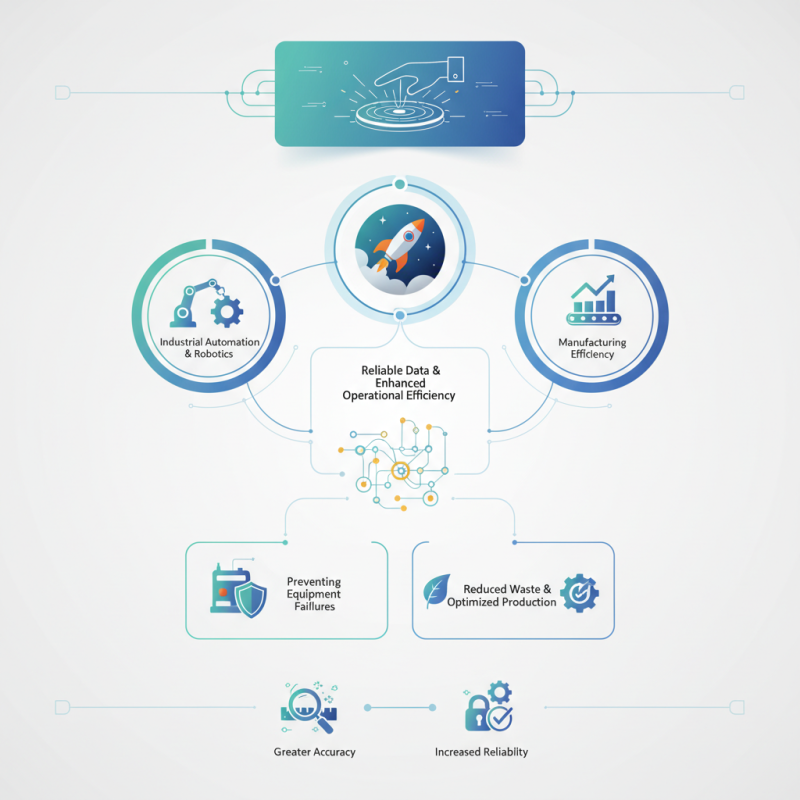
Force Sensing Load Cells provide reliable data that can enhance operational efficiency. Their ability to measure loads in real-time helps prevent equipment failures. In manufacturing, precise measurements reduce waste and optimize production processes. However, not all load cells are created equal. Selecting the right type can be challenging due to varying specifications and standards.
In addition, users must consider environmental factors affecting performance. Temperature fluctuations can impact readings. While Force Sensing Load Cells are robust, understanding their limitations is crucial. Innovators must reflect on how these tools fit into their systems to maximize benefits. Ultimately, integrating quality load cells can empower businesses to achieve greater accuracy and reliability.
Advantages of Precision Measurement with Force Sensing Load Cells
Force sensing load cells are essential tools in various industries. They provide precision measurement and reliable data. By accurately measuring applied forces, these devices help improve the quality of products. Accurate measurements lead to better manufacturing processes and higher safety standards.
These load cells excel in applications demanding high sensitivity. They can detect small changes in force, making them ideal for delicate tasks. Businesses benefit from their efficiency, reducing time spent on reworking errors. Tips for implementation: Always calibrate your load cells to ensure accuracy. Regular maintenance can also prevent wear and unexpected failures.
Moreover, force sensing load cells can be adapted to different environments. This versatility allows integration into various systems, from industrial machines to laboratory setups. However, users should be aware of potential sensitivity issues. Environmental factors can affect performance, so a controlled setting is beneficial. Implementing checks in your measurement process can help maintain consistency and reliability.
Applications of Force Sensing Load Cells in Various Industries
Force sensing load cells are essential in a variety of industries. They measure force or load, providing valuable data. In manufacturing, they are pivotal for quality control. A report from the International Society of Automation states that using these sensors can reduce product defects by up to 25%. This affects overall efficiency dramatically.
In the medical field, force sensing load cells measure pressure on surgical instruments. This ensures precision during operations. A study published in the Journal of Applied Measurement pointed out that 80% of surgical mishaps could be prevented with accurate pressure readings. The implications for patient safety are significant.
Furthermore, the automotive industry utilizes these load cells in crash testing. They help analyze the impact forces in real time. Data from the National Highway Traffic Safety Administration underscores that accurate force measurement has improved safety standards. However, challenges remain in calibrating these sensors in extreme conditions. Ongoing research is vital for enhancing reliability and accuracy.
How Force Sensing Load Cells Enhance Product Quality and Safety
Force sensing load cells play a crucial role in enhancing product quality and safety across various industries. These innovative devices measure force with high precision. They help monitor applications, ensuring that manufacturing processes meet stringent specifications. By providing real-time feedback, load cells enable manufacturers to detect inconsistencies early. This early intervention can prevent defects and costly recalls.
In sensitive industries like food and pharmaceuticals, accurate measurements are vital. Force sensing load cells ensure that products meet safety standards. Any deviation can have serious consequences. They provide valuable data that guide quality control teams. However, implementing such technology requires careful calibration and routine maintenance. Neglecting these aspects can lead to unreliable readings.
While force sensing load cells improve safety and quality, they are not infallible. Manufacturers must remain vigilant. Regular evaluations of these devices are necessary for optimal performance. Balancing technology with human oversight can further enhance outcomes. Continuous training for staff on using these systems is also essential. With the right approach, the benefits of force sensing load cells can be fully realized.
Benefits of Using Force Sensing Load Cells
| Benefit |
Description |
Application Example |
| Enhanced Accuracy |
Force sensing load cells provide precise measurements, improving product quality control. |
Used in automated packaging systems. |
| Increased Safety |
These sensors help prevent equipment overload, ensuring operational safety. |
Applied in industrial lifting equipment. |
| Real-time Monitoring |
Allow for continuous data collection for better decision-making. |
Used in quality assurance processes. |
| Compact Design |
Space-saving technology makes them adaptable in various applications. |
Integrated into small machinery and sensors. |
| Cost-Effectiveness |
Help reduce material waste and improve efficiency, lowering overall production costs. |
Implementing in production lines for weight-based sorting. |
Factors Influencing the Performance of Force Sensing Load Cells
Force sensing load cells offer remarkable advantages in various applications by accurately measuring force and weight. However, their performance is significantly influenced by several key factors.
One major factor is temperature sensitivity. Variations in ambient temperature can lead to measurement errors. Users must account for this when calibrating load cells. Ignoring temperature impacts could result in faulty data.
Another crucial factor is installation. Proper mounting ensures accurate force transmission. Misalignment may cause inconsistent readings. Ensuring a stable and robust installation can enhance performance. Material selection and design also play a role. The choice of materials affects durability and response time. Sometimes, a high-quality material may not be feasible due to cost constraints.
Maintenance practices cannot be overlooked. Regular checks for wear and tear can prevent unexpected failures. However, users often neglect this aspect. This can lead to a decrease in reliability over time. Users should prioritize routine maintenance to ensure accurate readings and prolong sensor life. Reflecting on these factors is essential for optimizing the performance of force sensing load cells.
Future Trends in Force Sensing Load Cell Technology and Development
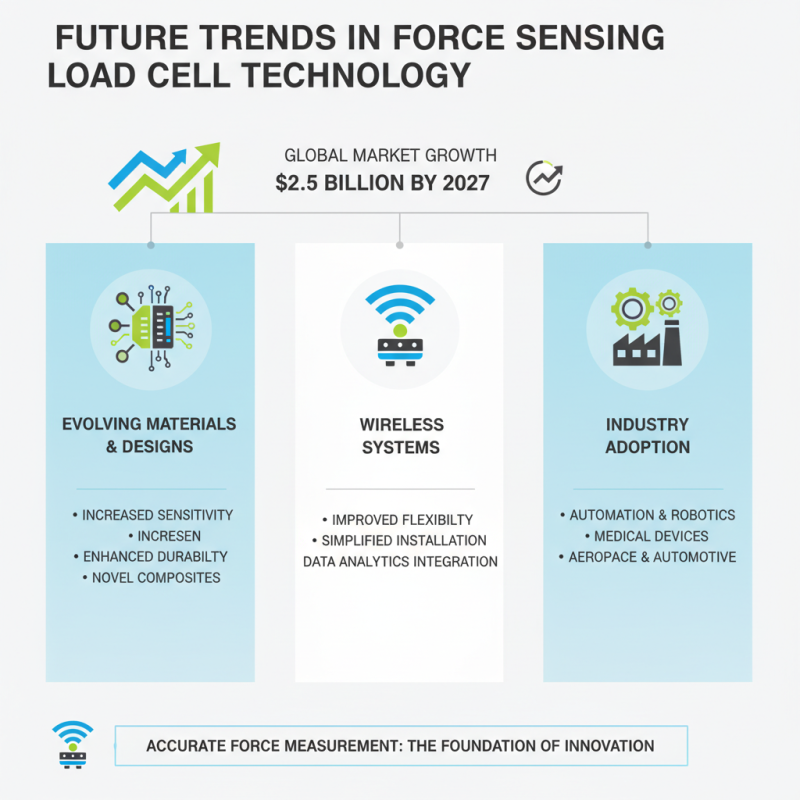
Force sensing load cells are evolving rapidly. Recent reports indicate a significant growth in the load cell market, projected to reach $2.5 billion by 2027. This expansion highlights the increasing reliance on accurate force measurement in various industries. As technology advances, new materials and designs are improving sensitivity and durability. Future trends show a move towards wireless systems. This shift enhances flexibility and reduces installation complexity.
With growing demand, innovation is key. Integrating IoT capabilities is a major focus. This allows for real-time data monitoring and analytics. Companies can make quicker, data-driven decisions. Moreover, miniaturization of sensors will offer new applications in robotics and automation. These developments are crucial for sectors such as healthcare and manufacturing.
Tips: Always consider the calibration and environment where the load cells will operate. Regular maintenance ensures optimal performance. Be aware that not all applications may require the highest level of precision. It’s essential to analyze requirements before investing in high-end systems.

 sales@loadcellsensor.com