sales@loadcellsensor.com

2026 Best Force Cell Innovations in Energy Storage Technology?
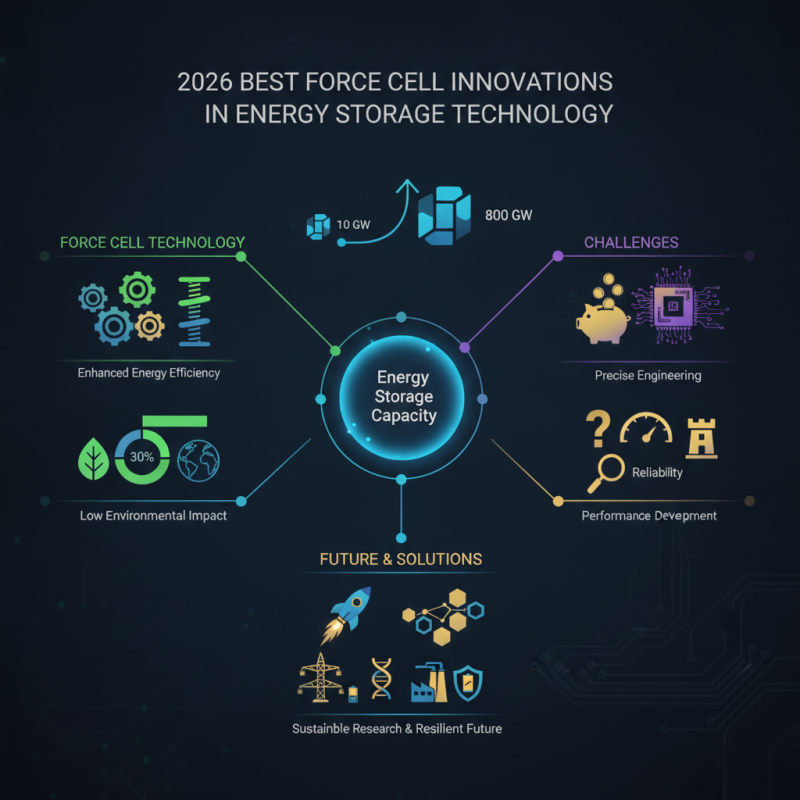
The energy storage landscape is rapidly evolving, particularly with innovations in force cell technology. According to the International Energy Agency (IEA), energy storage capacity is projected to surge from 10 GW in 2020 to an astounding 800 GW by 2040. This impressive growth highlights the urgent need for advanced solutions. Force cells stand out, offering an efficient alternative to traditional batteries by utilizing mechanical energy storage methods.
Moreover, recent reports indicate that force cells can enhance energy efficiency by up to 30% compared to conventional systems. This technology's low environmental impact makes it particularly appealing as sustainability becomes a core focus. However, challenges remain. The development and scalability of force cells require substantial investment and precise engineering. As organizations strive to innovate, questions about performance and reliability persist.
The future of energy storage largely hinges on the successful deployment of force cells. While significant advancements have been made, ongoing research and development are crucial for addressing existing limitations. The energy sector must strive to adapt. These advancements will not only redefine how we store energy but also pave the way for a more sustainable and resilient future.
2026 Overview of Force Cell Innovations in Energy Storage
Energy storage technology is advancing rapidly. In 2026, innovations in force cell designs are at the forefront. These technologies promise improved efficiency and sustainability. New architectures allow for better energy density and longevity. The focus is on utilizing abundant materials, reducing environmental impact. Researchers are experimenting with various electrolyte compositions. These aim to enhance performance and reduce costs.
Despite these advancements, challenges remain. Energy density improvements sometimes come at the cost of stability. Balancing power output and longevity is a critical concern. Additionally, scalability remains an issue. Transforming lab successes into viable commercial solutions is not straightforward. Regulation hurdles may also slow down deployment.
As we observe the evolution of energy storage, reflection is vital. Ensuring that new technologies integrate seamlessly into existing infrastructure is crucial. The path forward requires collaboration across sectors. Industry stakeholders must engage in dialogues to resolve these challenges. Embracing imperfections and addressing potential flaws will lead to stronger innovations and beneficial outcomes for all.
2026 Best Force Cell Innovations in Energy Storage Technology
| Innovation Name | Energy Density (Wh/kg) | Cycle Life (Cycles) | Charging Time (hrs) | Operating Temperature (°C) |
|---|---|---|---|---|
| Ultra-High Density Lithium Cell | 350 | 1200 | 1.5 | -20 to 60 |
| Next-Gen Solid State Battery | 400 | 2500 | 2.0 | -40 to 85 |
| Graphene-Based Supercapacitor | 250 | 100000 | 0.5 | -10 to 60 |
| Flexible Organic Battery | 150 | 500 | 3.0 | -20 to 50 |
| Advanced Hybrid Energy Storage | 300 | 1600 | 1.0 | 0 to 70 |
Key Advances in Battery Technology for Energy Storage Systems
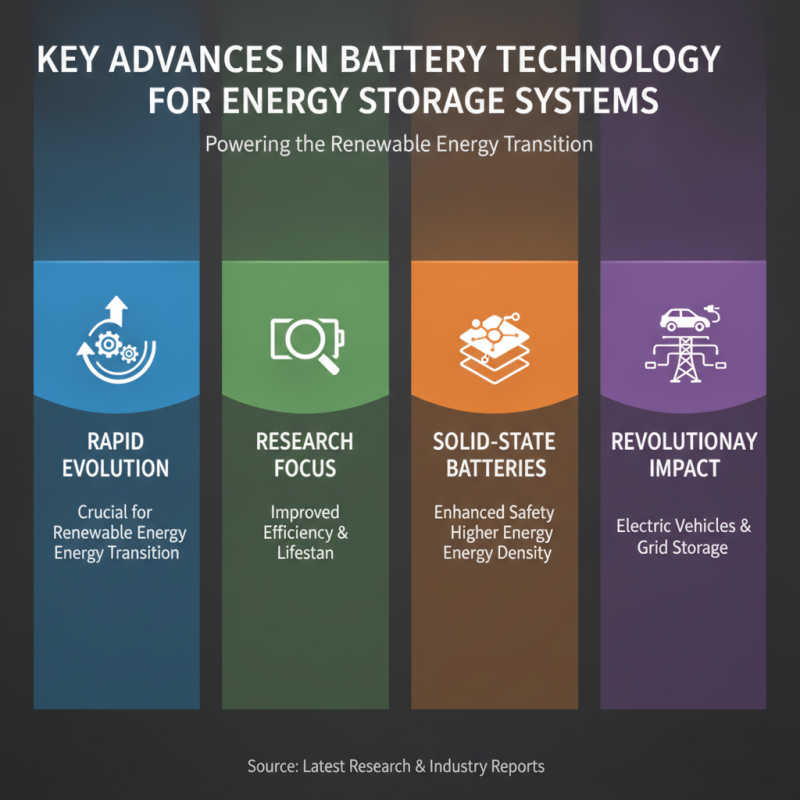
Battery technology is evolving rapidly. Innovations in energy storage are crucial for transitioning to renewable energy. Researchers are focusing on improving efficiency and lifespan. Solid-state batteries are gaining attention for their safety and higher energy density. These innovations could revolutionize the electric vehicle and grid storage markets.
Another promising area is advanced lithium-sulfur batteries. These batteries offer a higher theoretical capacity than traditional lithium-ion options. However, challenges remain with cycle stability. Researchers are working on improving the lifespan to make them viable for widespread use. Understanding these limitations is essential for future developments.
Energy storage systems must adapt to changing energy demands. Flow batteries provide a flexible option for large-scale storage. However, they require optimization for energy density. As this field grows, it is crucial to combine innovation with sustainability. Balance is key to ensuring a reliable energy future.
Emerging Force Cell Materials and Their Impact on Performance
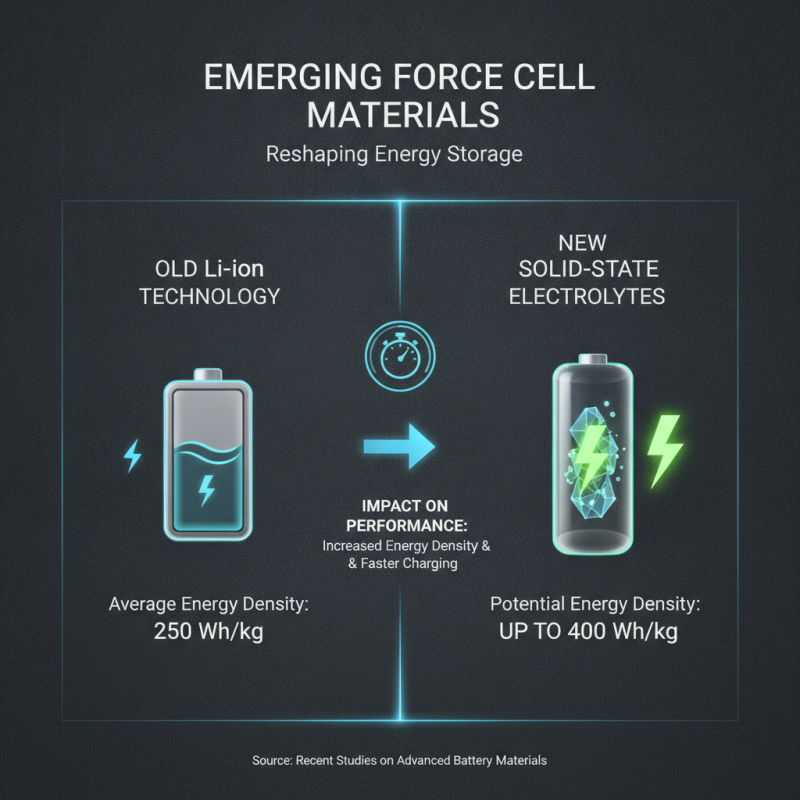
Emerging force cell materials are reshaping energy storage technology. These advancements hold significant potential to improve performance metrics, including energy density and charging speeds. In recent studies, new materials such as solid-state electrolytes have shown promise, achieving energy densities up to 400 Wh/kg. This represents a substantial leap compared to traditional lithium-ion technologies, which average around 250 Wh/kg.
Another emerging material, lithium-silicon composites, can enhance anode performance. These composites offer increased capacity while maintaining stability. Research indicates that integrating silicon can boost capacity by 300%, but challenges remain regarding cycle life and efficiency. Analysts project that by 2026, these innovations could lead to a 20% reduction in costs associated with cell production and operation, making energy storage more accessible.
Moreover, safety remains a critical concern. Some new materials introduce risks of thermal runaway. This issue necessitates extensive testing and validation. Regulatory guidelines are evolving to ensure these innovations meet safety standards. The energy storage sector must navigate these complexities carefully while pursuing breakthroughs. Advanced materials will likely unlock exciting developments, but challenges will require ongoing attention.
Integration of Force Cells with Renewable Energy Sources
The integration of force cells with renewable energy sources is a game changer. These innovative storage solutions hold great promise for the future of energy. They can store energy generated from solar panels or wind turbines effectively. This makes renewable energy more reliable. Force cells can help address the issue of energy intermittency. This is particularly crucial with solar and wind power, which depend on weather conditions.
However, challenges remain in scaling these technologies. The materials used in force cells must be improved for better performance. Efficiency in energy conversion also requires attention. Not all current designs maximize the potential of renewable sources. Moreover, there are economic considerations. Cost-effective production methods are necessary for widespread adoption.
Experts suggest ongoing research is essential. Collaboration between engineers and environmental scientists could lead to breakthroughs. It’s vital to focus on sustainability. The integration of these cells needs to promote green energy without harming ecosystems. A balance between innovation and responsibility is crucial in this journey. As we move forward, it’s clear that the path to optimal energy storage is still unfolding.
2026 Innovations in Energy Storage Technology: Force Cells Integration with Renewable Energy
Future Perspectives on Force Cells in Energy Storage Applications
The future of force cells in energy storage is promising yet complex. These innovative technologies are gaining attention for their potential to enhance energy efficiency. Force cells work by converting mechanical energy into electrical energy, providing a unique solution for various applications. This process allows for energy storage and retrieval in a way that is dynamic and responsive.
Innovation in this field faces several challenges. Current materials may not always offer the necessary durability or efficiency. Researchers are exploring alternatives, striving to enhance the longevity and performance of force cells. This journey involves addressing scalability issues too. Can these cells be produced affordably for widespread use? Achieving this balance is essential for their success.
Moreover, the integration of force cells into existing energy systems is another consideration. Hybrid systems could optimize their benefits. However, this requires collaboration among engineers, researchers, and industry leaders. The path forward demands continuous evaluation and adaptation. Mistakes and setbacks are part of the process. Understanding these nuances will shape the future of energy storage technologies.
Related Posts
-
5 Proven Weight Sensor Technologies Revolutionizing the Industry
-
Why Choose a Shaft Torque Sensor for Your Applications?
-
What is a Reaction Torque Sensor and How Does It Work?
-
Top Pancake Load Cell Applications in Industry and Science?
-
Exploring Innovative Alternatives to the Best Tension Compression Load Cell for Global Buyers
-
Advantages of Using Low Profile Load Cells for Precision Measurement