Best Rigging Load Cell Options for Accurate Weighing?
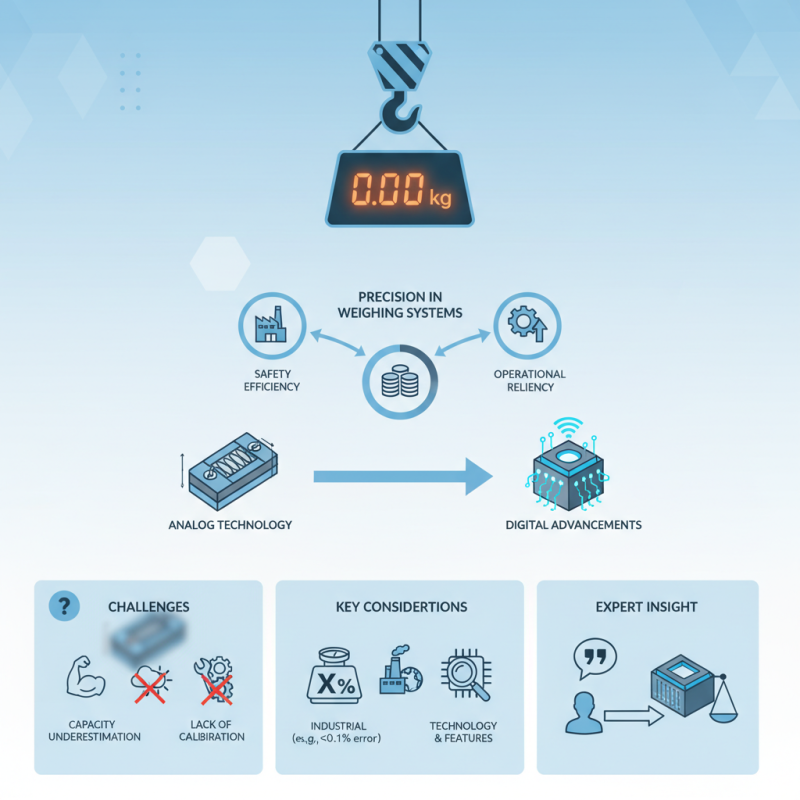
In the world of industrial weighing, selecting the right rigging load cell is crucial for accuracy and safety. According to a recent report by the International Society of Weighing Technology, a 0.1% error in load measurement can lead to significant financial losses. This highlights the importance of investing in quality load cells. Experts like John Miller, a well-known specialist in load measurement, once stated, "Precision in rigging load cells determines the integrity of the entire weighing system."
The rigging load cell market is evolving rapidly. With advancements in digital technology, these devices are becoming more reliable and user-friendly. Users must focus on specific features that cater to their unique needs. Many still underestimate the complexity involved in choosing the right load cell. Overlooking factors such as capacity, environment, and calibration can lead to errors, which may compromise safety or operational efficiency.
While there's an array of options available, the variations can be overwhelming. Users often express uncertainty about the best choice for their applications. The diversity in rigging load cells can reflect quality differences that might not be immediately apparent. In a sector where precision is paramount, understanding these subtleties is essential for making informed decisions.
Types of Load Cells Used in Rigging Applications
Rigging applications often require precise measurement of weight and load. Different types of load cells are available. Each type serves unique purposes in various scenarios. It's crucial to understand these differences for effective rigging.
Compression load cells are quite common. They measure the weight exerted on them. These cells are typically used in static applications. They can be highly accurate when calibrated properly. However, they might struggle with dynamic loads. It's essential to consider the environment they operate in.
Tension load cells measure pull forces. They are used in lifting applications, making them vital in rigging. Operators should ensure they are correctly installed. Misalignment can lead to inaccurate readings. Sometimes, operators overlook this issue, leading to problems during operation. Selecting the right load cell type is about more than just weight. Understanding the context of use can significantly improve performance.
Load Cell Types Used in Rigging Applications
Factors to Consider When Choosing a Rigging Load Cell
When choosing a rigging load cell, several key factors can influence your decision. Accuracy is paramount. Look for load cells that offer precision within ±0.1% or better. According to industry reports, load cells should maintain performance even under varying environmental conditions. Temperature and humidity can affect their reliability. Therefore, consider the operational range of the load cell.
Capacity is another crucial aspect. Evaluate the maximum weight you will measure. Load cells come in various capacities, from a few hundred grams to several tons. Check the specifications and ensure the cell can handle your requirements.
**Tip:** Always choose a load cell with a higher capacity than needed. This allows for safe operating margins.
Another factor is installation. Complexity can increase your costs and errors in measurements. Make sure the load cell can be seamlessly integrated into your existing rigging setup. Simpler setups often yield better performance.
**Tip:** Consider investing in load cells that offer modular designs. This allows for easy adjustments and maintenance.
Reflect on these factors to avoid regrets later. Remember, the best choice isn’t just about cost. It’s about value and reliability over time.
Top Brands and Models of Load Cells for Accurate Weighing
When it comes to accurate weighing, choosing the right load cell is paramount. Various brands and models are designed specifically for different applications. The precision of load cells can significantly impact measurement accuracy. Reports show that inaccuracies in weight measurements can lead to losses up to 5% in industrial operations. High-quality load cells can minimize these errors effectively.
Leading brands in the load cell market emphasize the importance of calibration and environment adaptation. Utilizing strain gauge technology or capacitive measurement methods can enhance weighing accuracy. Certain models excel in dynamic applications, while others are designed for static weighing. Nurturing awareness about choosing models suited to specific needs remains a challenge. Many users overlook environmental factors impacting load cell performance, such as temperature and humidity.
Technology continues to evolve, yet user education lags. Research indicates that up to 40% of users do not fully understand their load cell’s capabilities. While data suggests improved methods are available, these advancements often go unnoticed. Reflecting on such gaps can lead to better utilization of load cells in various settings.
Best Rigging Load Cell Options for Accurate Weighing
| Load Cell Type |
Capacity (lbs) |
Accuracy (% of full scale) |
Output (mV/V) |
Temperature Range (°C) |
| Single Point |
1000 |
0.03 |
2.0 |
-10 to 40 |
| Load Beam |
2000 |
0.02 |
2.0 |
-20 to 50 |
| Compression |
5000 |
0.05 |
3.0 |
-10 to 70 |
| Tension |
3000 |
0.03 |
2.0 |
-10 to 60 |
| S-Type |
1500 |
0.05 |
2.0 |
-20 to 80 |
Installation and Calibration Tips for Load Cells in Rigging
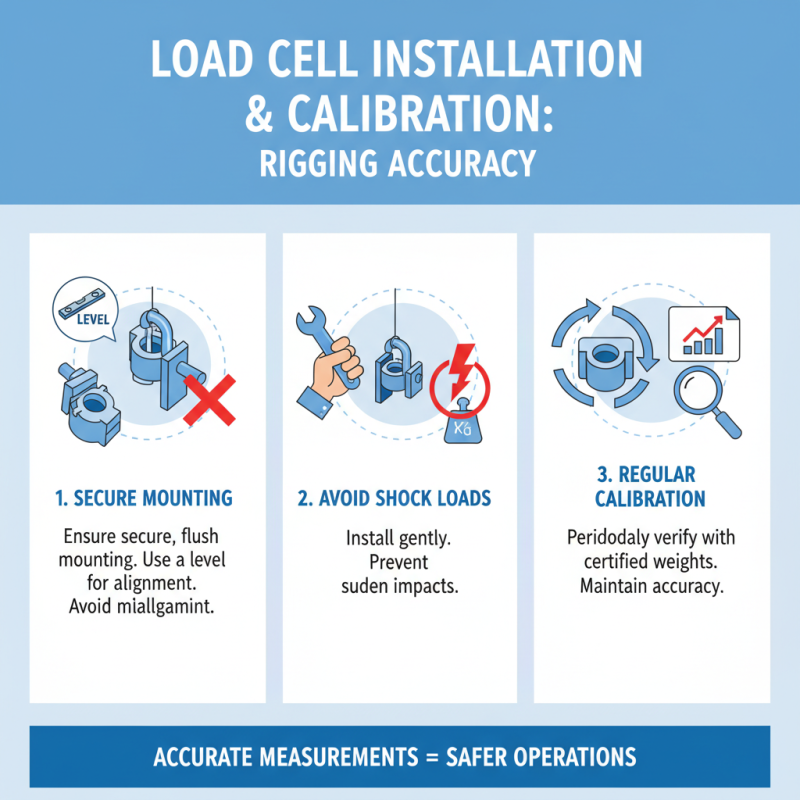
Proper installation and calibration of load cells in rigging systems are critical for accurate measurements. During installation, ensure that the load cell is mounted securely. Misalignment can lead to measurement errors. A good practice is to use a level when positioning the cell. This small detail can improve accuracy significantly. Avoid exerting sudden shocks on the load cell during installation. These shocks can affect its performance.
Calibration is equally important and often overlooked. Start by zeroing the load cell before use. This process removes any residual weight. Afterwards, apply known weights gradually. Document the readings to identify any discrepancies. If the readings do not match expectations, adjustments may be necessary. Regular calibration checks are essential. They can help maintain the accuracy over time. Undoubtedly, sometimes readings may still fluctuate. Reflecting on potential causes, like environmental factors or equipment wear, can lead to better outcomes in the future. Proper focus on these aspects promotes effective weighing in various rigging applications.
Maintenance Best Practices for Extending Load Cell Lifespan
Maintaining load cells is crucial for accurate weighing. Regular monitoring can prevent unexpected failures. A survey indicates that nearly 30% of load cell malfunctions stem from improper maintenance. Simple steps can significantly extend their lifespan.
Calibration checks should be routine. According to industry experts, performing this every six months ensures precision. Dust and debris can impact performance. Keeping load cells clean is essential. Use a soft brush to remove dirt. Over time, accumulation may lead to inaccuracies.
Environment plays a vital role. High humidity and extreme temperatures can cause damage. Install load cells in controlled conditions to minimize these risks. The right installation minimizes stress on components. Poor mounting can lead to a 20% error in measurements. Regularly re-evaluating your setup will help maintain accuracy.

 sales@loadcellsensor.com