2026 Best Tension Load Cell Solutions for Global Buyers?
As global demand for precise measurement solutions rises, the Tension Load Cell market has become increasingly significant. According to a recent report by MarketsandMarkets, the tension load cell market is projected to reach a value of $1.2 billion by 2026. This growth is driven by the expanding applications across industries, including manufacturing, construction, and aerospace.
Dr. Michael Green, a respected expert in load measurement technology, emphasizes, "Tension Load Cells are crucial in ensuring accurate force measurement and quality control." This underscores the importance of selecting the best solutions for various applications. However, the wide array of options can lead to confusion. Not all products meet the same standards of reliability and accuracy, suggesting a need for careful evaluation.
Maintaining quality is a challenge for manufacturers. Faulty or subpar tension load cells can lead to significant operational disruptions. Buyers must weigh the benefits and risks involved in their choices. Thus, understanding specific requirements and conducting thorough research are essential steps in making informed purchasing decisions. The landscape of Tension Load Cell solutions is complex, but informed buyers can navigate it effectively.
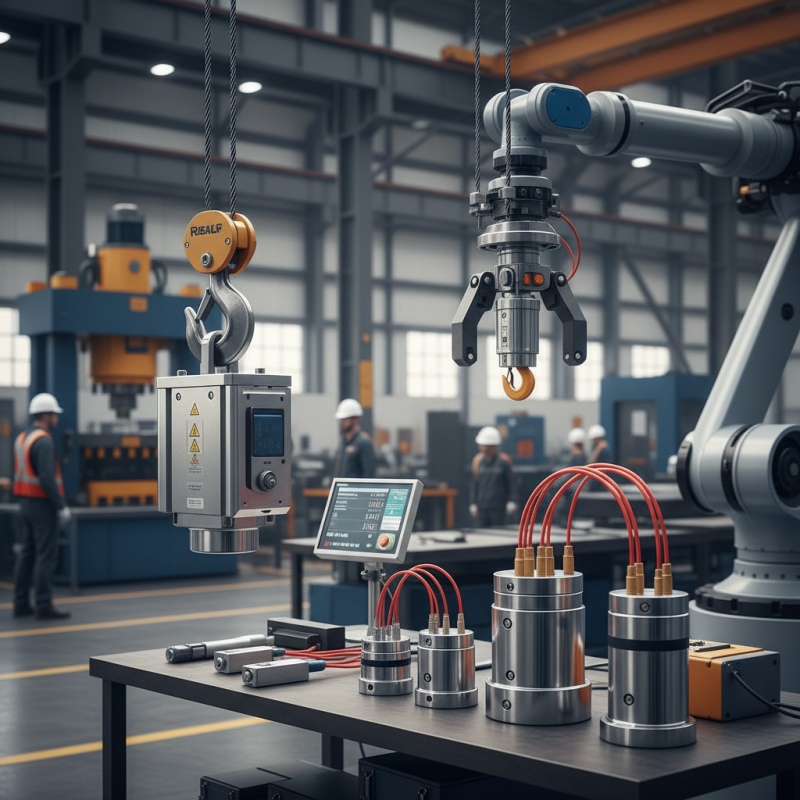
Understanding Tension Load Cells: Basics and Functionality
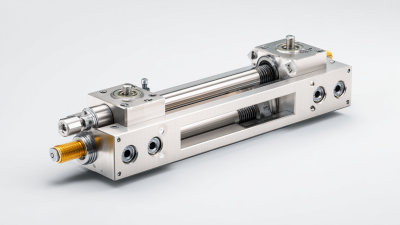
Tension load cells are crucial in various industries, measuring the force of tension in a controlled way. They operate by converting mechanical force into an electrical signal. This signal helps monitor weight, loads, and tensions, providing valuable insights for operations. Understanding their basics is vital for selecting the right solution.
These devices typically consist of a strain gauge that detects changes in resistance due to applied tension. When the load is applied, the strain gauge reacts, producing an electrical output that reflects the load's magnitude. Relying on accurate readings is essential, yet many users overlook routine calibration. Neglecting this can lead to errors in measurements, affecting production quality.
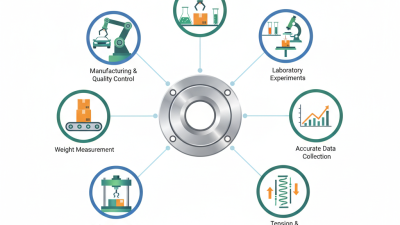
Applications of tension load cells range from industrial weighing systems to aircraft load testing. Despite their widespread use, users often face challenges like environmental factors affecting accuracy. Dust, temperature, and humidity can all distort performance. Mindfulness about these aspects is necessary for reliable data. The balance between precision and practicality can sometimes feel elusive, urging users to constantly reevaluate their setup and environment.
2026 Best Tension Load Cell Solutions
This chart illustrates the load capacity (in kg) of various tension load cell solutions based on their functionality and standards.
Key Features to Consider When Selecting Tension Load Cells
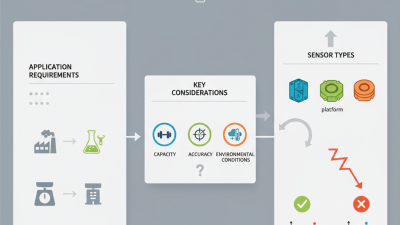
When selecting tension load cells, key features play a pivotal role. Accuracy is crucial. A load cell must provide consistent readings under various conditions. Look for specifications that detail measurement precision and range. This often involves checking the manufacturer's calibration procedures. Quality materials also matter. Durable components enhance longevity and resistance to environmental factors.
Environmental considerations are important too. Operating conditions can vary widely—temperature, humidity, or even exposure to chemicals. Ensure the load cell can withstand such factors. This may require reviewing the IP rating. Additionally, the installation process should be straightforward. Complex setups can lead to errors and added costs. Compatibility with existing systems is another factor to ponder.
User support should not be overlooked. A knowledgeable support team can provide invaluable assistance. Fast response times matter when troubleshooting issues. While many solutions claim reliability, actual performance can differ. Some users report challenges that lead to operational delays. Assessing real-world feedback can provide insight into these variations.
Top Manufacturers of Tension Load Cells in 2026
In 2026, the tension load cell market continues to evolve. Leading manufacturers are innovating to meet rising demand globally. Various reports indicate that the tension load cell market is projected to grow at a CAGR of 5.4% through 2027. This growth reflects increasing applications across industries, such as construction and aerospace.
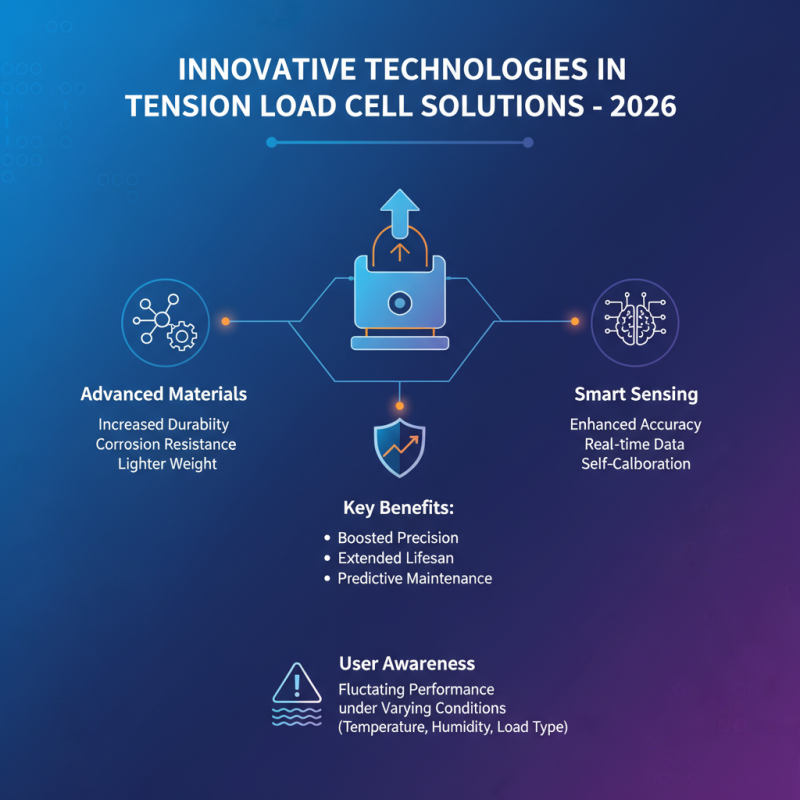
Many top manufacturers are enhancing their products with advanced technology. Smart features, such as wireless connectivity and real-time data monitoring, are becoming common. Data suggests that over 40% of the load cell market will likely integrate IoT solutions by 2026. However, some manufacturers still grapple with ensuring consistent accuracy under diverse environmental conditions.
Quality assurance remains essential. Statistics show that nearly 20% of load cells suffer from calibration issues. This challenge urges manufacturers to invest in better quality control measures. Some companies may overlook this aspect to cut costs, risking product reliability. Buyers must prioritize manufacturers with strong reputations for accuracy and durability, assuring their investments pay off long-term.
Global Market Trends and Demand for Tension Load Cells
The demand for tension load cells is on the rise globally. Industries require accurate measurements for various applications, such as industrial automation and quality control. As technology advances, these devices offer improved accuracy and reliability. However, discrepancies in data can occur, leading to potential errors in load assessments.
Market trends show a shift towards digital tension load cells. Their ability to provide real-time data is beneficial. Traditional analog systems, while reliable, may not provide the same level of detail. Many buyers look for solutions that not only meet compliance standards but also enhance productivity. There are ongoing discussions about integrating these devices with IoT systems. This can enhance data collection and analysis.
On the other hand, the market faces challenges. Some regions struggle with access to the latest technology. Moreover, users often underestimate the importance of regular calibration. Awareness of these issues is necessary for optimal performance. Buyers must navigate these complexities to find solutions that fit their unique needs.

 sales@loadcellsensor.com