Best Torque Meter for Motor Solutions Available Worldwide?
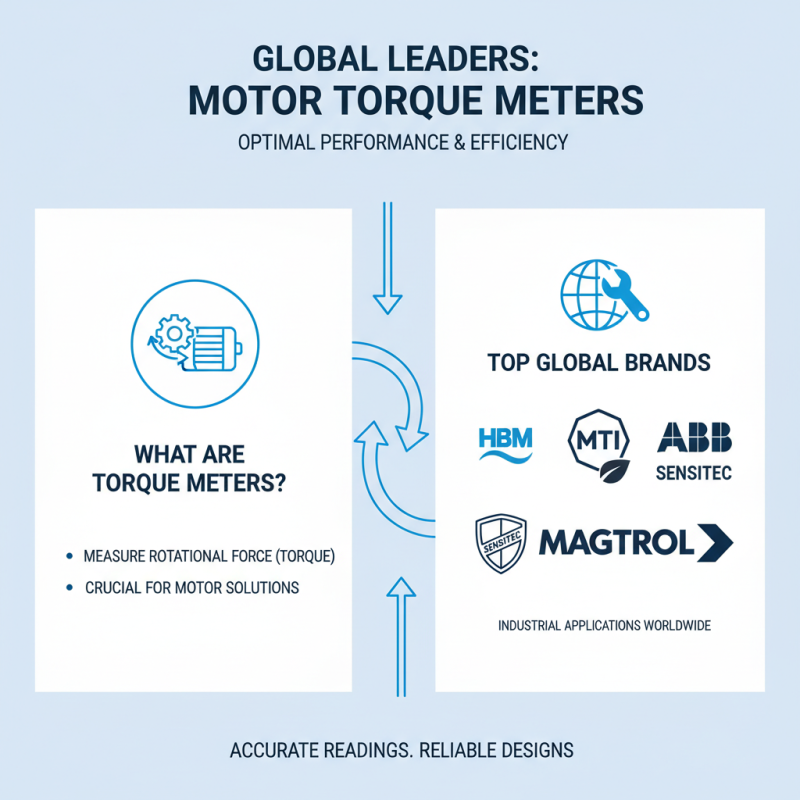
In today's competitive landscape, selecting the right tool for accurate measurements is crucial. When it comes to assessing mechanical performance, the Torque Meter for Motor stands out. This tool provides precise torque measurements, essential for ensuring optimal motor functionality.
Many industries rely on torque meters to maintain high standards of safety and efficiency. These devices help monitor motor performance during production and operation. However, not all torque meters are created equal. Some may lack the necessary accuracy or durability required for specific applications. That’s where experience and knowledge play a vital role. Understanding your specific needs is key when choosing the best torque meter.
Consumers should consider various factors, such as range, calibration, and ease of use. Researching reliable brands is critical. Not all manufacturers offer the same level of quality and support. Choosing a trusted torque meter can make a significant difference in operational effectiveness. As technology advances, continuous improvement is essential. Evaluating the best options available may yield valuable insights and lead to better motor solutions.
Types of Torque Meters Used in Motor Applications
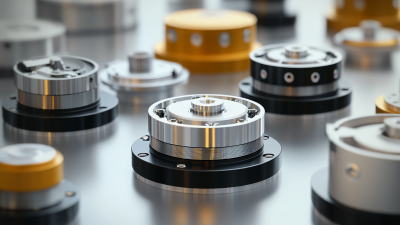
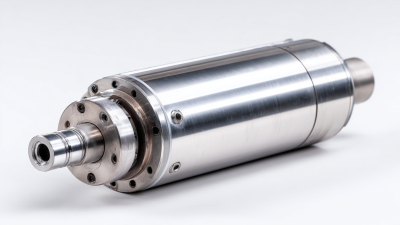
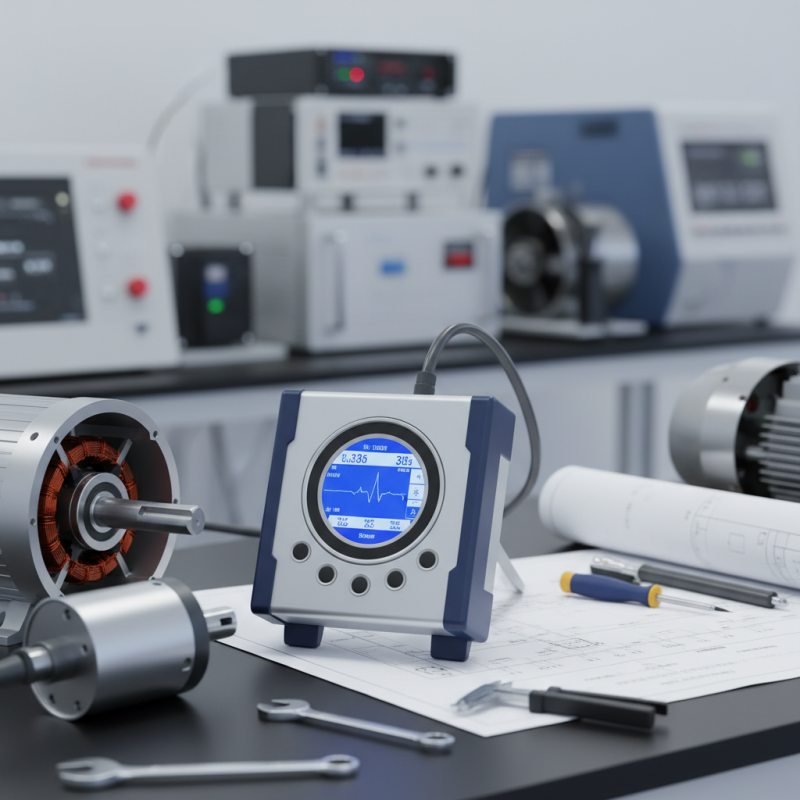
Torque meters are crucial instruments in motor applications. They measure the torque exerted by motors, which is vital for performance assessments. Understanding the different types of torque meters available helps in selecting the appropriate tool for specific tasks.
There are several types of torque meters used in motor solutions. Mechanical torque meters utilize springs to detect torque variations. Their simplicity makes them reliable but can lack precision in high-speed environments. In contrast, digital torque meters employ sensors and microprocessors, offering higher accuracy and data logging capabilities.
A recent industry report shows that digital meters have outperformed mechanical types by nearly 30% in accuracy over various applications.
Another option includes wiresless torque meters. They provide flexibility and ease of use, especially in large working areas. These meters can transmit data in real-time, allowing for immediate analysis. However, some professionals caution that wireless technology can be prone to interference. Moreover, calibration remains a critical factor for all types. Regular checks ensure consistent measurements, which are often overlooked.
Key Features to Consider When Choosing a Torque Meter
When selecting a torque meter, attention to detail is crucial. Accuracy is one of the most important features. A reliable torque meter should provide precise measurements to ensure safe operations. It’s essential to verify the device’s calibration. Regular calibration enhances the reliability of results over time.
Another key feature is the measurement range. Ensure the torque meter covers the specific torque values for your application. A device that accommodates both low and high torque values can improve versatility. Look for intuitive displays that simplify readings. A clear interface enhances user experience, reducing errors during operation.
Durability cannot be overlooked. Choose a meter that can withstand the rigors of your work environment. Compact designs are advantageous for portability. However, ensure that they do not compromise on ruggedness. Battery life is something to reflect on as well. A short battery life could disrupt operations, leading to inefficiencies. Investing in a high-quality torque meter will ultimately save time and resources, reflecting a wise decision in the long run.
Applications of Torque Meters in Various Industries
Torque meters play a crucial role in various industries, ensuring equipment operates efficiently.
In automotive manufacturing, they are essential for tightening bolts to prevent failures. Research shows that improper torque application can lead to a staggering
95% of bolt failures. In this context, torque meters not only enhance safety but also improve
product longevity.
In the energy sector, torque meters are vital for wind turbine installation. Accurate torque application can optimize performance and reduce
maintenance costs. According to industry reports, errors in assembly can decrease turbine efficiency by up to
20%. This demonstrates the importance of precision in the application of torque,
which ultimately affects energy output and sustainability goals.
In aerospace, the demands for accuracy are even higher. Engineers rely on torque meters during assembly to ensure that components meet
strict safety standards. It is estimated that at least
30% of assembly-related incidents are linked to incorrect torque settings.
This highlights the necessity of reliable torque measurement instruments in critical applications. Each industry faces unique challenges,
emphasizing the need for continuous improvement and training in torque application methods.
Cost Comparison of Torque Meters Available Worldwide
Torque meters play a crucial role in various motor solutions, providing precise measurements essential for quality assurance and performance testing. These devices come in a range of types and functionalities, which can affect their pricing. Understanding the cost of torque meters globally is vital for businesses seeking to optimize their investment in quality control.
The price of torque meters varies significantly based on technology and features. Digital torque meters tend to be more expensive due to advanced capabilities. In contrast, mechanical models may be more affordable but lack precision. Importantly, regions also influence pricing. For instance, torque meters made in Europe might carry a premium cost compared to those produced in Asia. This regional factor requires careful consideration for companies aiming to balance budget constraints with quality needs.
When evaluating options, it’s essential to compare both features and costs. A cheaper meter may save money upfront but could lead to inaccuracies down the road. Companies often overlook the long-term implications of using lower-quality meters. Therefore, investing in the right torque measurement tool is essential. Balancing initial costs with durability can lead to better outcomes in the long run. Assessing the total ownership cost can provide a clearer picture, ensuring informed decision-making.

 sales@loadcellsensor.com