What is a Biaxial Load Cell and How Does It Work?
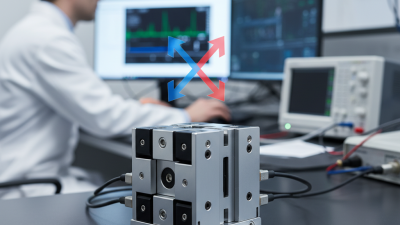
In the world of precision measurement, the Biaxial Load Cell plays a crucial role. Dr. Emily Thompson, an expert in sensor technologies, states, "Biaxial Load Cells offer unmatched accuracy in measuring force across multiple axes." This statement underscores the significance of this device in various applications, including industrial automation and robotics.
Understanding how a Biaxial Load Cell operates is essential. It typically comprises four strain gauges arranged to detect force along two axes. This arrangement allows for precise measurements, making it a favorite among engineers. However, challenges in calibration and environmental factors can affect accuracy. Users must be aware of these issues to ensure reliable data.
As industries evolve, the demand for Biaxial Load Cells grows. Innovations continue to shape their design and functionality. While the technology is advanced, it is vital to reflect on its limitations and the need for continuous improvement. Effective use of a Biaxial Load Cell requires careful consideration of its application and environment.
What is a Biaxial Load Cell?
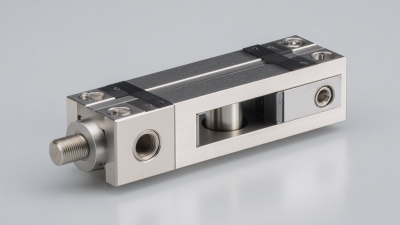
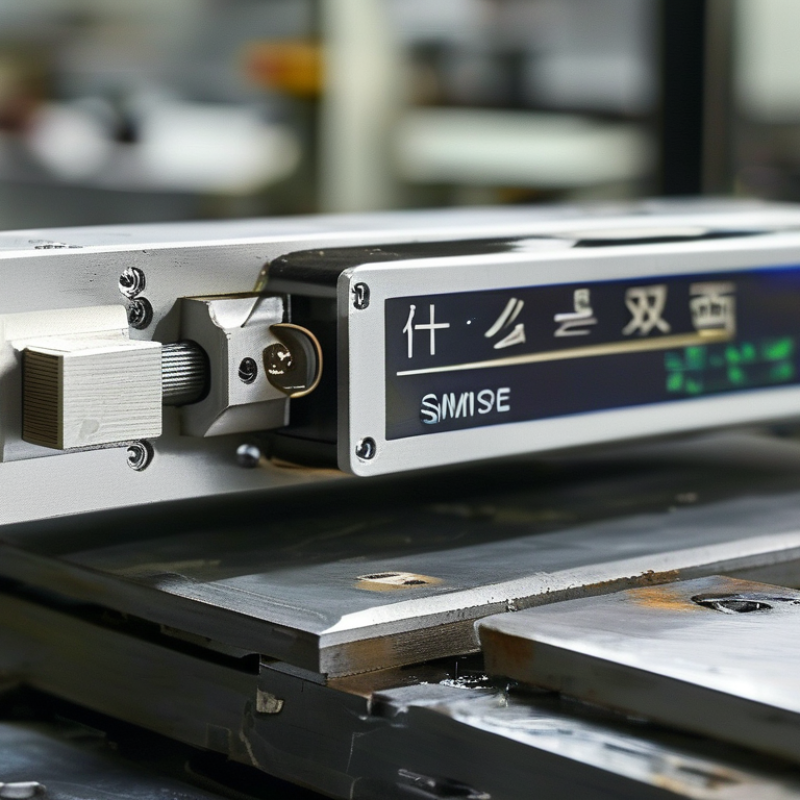
A biaxial load cell is a specialized sensor designed to measure forces in two orthogonal directions. This kind of load cell is crucial in applications that require precise force measurement, such as in robotics and material testing. The load cell usually consists of a solid material that deforms under stress. This deformation can be translated into electrical signals, allowing accurate force readings.
When utilizing a biaxial load cell, understanding the installation process is vital. The sensitivity of the load cell to misalignment can lead to inaccurate results. Make sure to align the load cell correctly with the load application direction. Proper installation is key to ensure performance and reliability.
In addition, consider the environment where the load cell will be used. Factors like temperature, humidity, and vibrations can affect its accuracy. Regular calibration checks are essential to maintain performance over time. Implementing a routine maintenance schedule can prevent future discrepancies. Testing under various conditions before deployment is a good practice. It's worth reflecting on how these sensors fit into your overall system to maximize their utility.
Biaxial Load Cell Performance Analysis
Principles of Operation for Biaxial Load Cells
Biaxial load cells are precision instruments that measure force in two different directions. They are vital in various applications, from industrial weighing systems to robotics. Understanding their operation is crucial for anyone involved in design or engineering.
The core principle of a biaxial load cell lies in its use of strain gauges. These gauges detect minute changes in resistance when stress is applied. Two sets of strain gauges are typically arranged in a specific configuration. This allows the sensor to accurately capture forces acting along both axes. The integration of these readings provides comprehensive data about the load applied.
One must consider several factors when working with biaxial load cells. Calibration is essential, as improper settings can lead to false readings. Environmental conditions like temperature and humidity also impact performance. It's not uncommon for users to overlook these details, leading to increased errors. Understanding these nuances can significantly enhance the reliability of measurements in your projects.
Applications of Biaxial Load Cells in Various Industries
Biaxial load cells are crucial in various industries for measuring forces in two directions. Their applications range from manufacturing to aerospace, showcasing their versatility. In aerospace, they ensure that loads are accurately measured during tests. This helps engineers assess the performance of aircraft components under different conditions. However, precise measurement can sometimes face challenges. Variations in temperature and material properties may affect readings.
In the manufacturing sector, biaxial load cells are vital for quality control. They help in monitoring the weight of products on assembly lines. This data is essential for maintaining standards. Yet, load cells can be prone to wear and tear over time, impacting accuracy. Regular calibration is necessary to maintain reliability. Even minor errors can cascade into significant issues in production.
In robotics, these load cells enable better interaction with environments. Robots use them to sense weights and adjust movements accordingly. However, fine-tuning these sensors can be complex. Misalignments can lead to unexpected behaviors. Thus, understanding the limits and potential pitfalls of biaxial load cells is essential for all industries utilizing this technology.
Biaxial Load Cells Overview
| Feature |
Description |
| Measurement Type |
Biaxial (two perpendicular axes) |
| Typical Load Capacity |
0.1 kg to 500 kg |
| Output Signal |
Voltage or Current (e.g., 0-10V, 4-20mA) |
| Material |
Aluminum or Stainless Steel |
| Calibration |
Factory calibrated; field calibration available |
| Operating Temperature Range |
-10°C to +60°C |
| Common Applications |
Industrial automation, Robotics, Medical devices, Weighing systems |
| Advantages |
High accuracy, Compact design, Versatile measurement options |
Benefits of Using Biaxial Load Cells Over Traditional Load Cells
Biaxial load cells have revolutionized the way we measure force. Unlike traditional load cells, they can measure force in two different axes simultaneously. This capability allows for more accurate data collection in various applications. Industries like aerospace and automotive benefit significantly from this technology. Biaxial load cells provide a detailed understanding of multi-directional forces.
One major advantage is their ability to reduce the complexity of setups. With traditional load cells, multiple sensors might be needed to get similar data. In contrast, a single biaxial load cell can effectively eliminate redundancy. This leads to lower costs and simpler installations. Moreover, these load cells are often smaller and lighter. This is crucial in applications where space and weight are at a premium.
However, there are challenges to using biaxial load cells. They can be more sensitive to misalignment during installation. Proper calibration is essential to ensure accuracy. Users must also be cautious about their surroundings. High levels of vibration or temperature changes can affect their performance. It's important to consider these factors when implementing biaxial load cells in critical applications.
Factors Influencing the Performance of Biaxial Load Cells
Biaxial load cells are complex devices that measure force in two directions. Their performance is influenced by several key factors. For instance, temperature variations can significantly impact accuracy. A study from the International Society for Measurement reports that deviations of over 2% can occur with temperature shifts beyond the operational limits.
Another critical factor is alignment. Incorrect installation can lead to erroneous readings. Research indicates that misalignment can cause up to 5% error in load measurements. Proper calibration is essential for ensuring true performance. Regular recalibration every six months is recommended to maintain reliability.
Material selection also plays a pivotal role. The type of strain gauge used affects sensitivity and response time. A report published by the Journal of Precision Engineering highlights that high-quality materials can enhance performance, reducing hysteresis to less than 1%. Recognizing these factors is vital. Addressing them leads to more accurate and consistent results in applications requiring precision.

 sales@loadcellsensor.com