China Best Donut Load Cell Performance and Applications Explained
The Donut Load Cell is a vital innovation in the measurement technology sector. This device, due to its unique shape, provides accurate readings for various applications. According to Dr. Alex Tran, a leading expert in load sensing technology, “The Donut Load Cell merges precision with versatility, meeting diverse industry demands.” This statement encapsulates the core significance of the Donut Load Cell.
In industries ranging from manufacturing to aerospace, the Donut Load Cell’s performance stands out. Its structure allows it to effectively handle multi-directional forces, making it an ideal choice for complex load measurements. However, some engineers have noted that while it excels in many areas, it may lack compatibility with certain machinery setups. This aspect is worth exploring further, as each installation presents unique challenges.
Reliability in load measurement is essential. The Donut Load Cell aims to provide consistent results under different conditions. Nevertheless, some users report needing additional calibration for specific applications. This highlights the necessity for ongoing research and user feedback to enhance its performance consistently. Overall, the Donut Load Cell remains a pivotal tool, with its applications continuously evolving in diverse fields.

Overview of Donut Load Cells and Their Structure
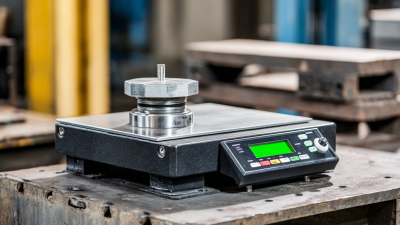
Donut load cells are crucial in various industries for measuring force and weight. Their unique design allows the load cell to bear loads from a central point. This structure provides excellent accuracy and repeatability, which are essential for precision tasks. Typically, donut load cells are made from high-strength materials. These choices enhance durability and reliability in demanding environments.
The engineering behind donut load cells involves a circular structure. This design helps distribute weight evenly, minimizing stress concentrations. As a result, they can perform well under significant loads. However, they may require regular calibration to maintain accuracy. Operators must be vigilant about maintenance routines to ensure optimal function.
Applications of donut load cells span multiple areas, including industrial scales and structural testing. They are also used in robotics for precise weight measurements. While donut load cells excel in performance, understanding their limitations is vital. Factors such as temperature variations can affect readings. Users should remain aware of these challenges to ensure consistent performance.
Key Performance Metrics of China Best Donut Load Cells
When it comes to donut load cells, key performance metrics are crucial for understanding their effectiveness. These devices are designed to measure force and weight accurately. The best donut load cells often feature high accuracy, typically around 0.1% of full scale. This means they provide reliable measurements in various applications. Additionally, they exhibit excellent linearity and hysteresis, ensuring consistent performance during repeated tests.
Temperature stability is another significant metric. Donut load cells can operate under varying temperatures without losing accuracy. Most high-quality units handle wide temperature ranges, making them suitable for diverse environments. Moreover, the load cells need to withstand mechanical stress over time, which is a common challenge.
Applications vary from industrial weighing to medical devices. However, not all donut load cells are created equal. Some may falter under extensive use. It's essential to evaluate the specific needs of each application carefully. Customers may face challenges when selecting the right load cell for their systems. Understanding these key metrics will help in making informed decisions.
Performance Metrics of Donut Load Cells
This chart illustrates the key performance metrics of donut load cells, showcasing their rated capacity, accuracy, and sensitivity. The data represents typical values observed in the industry.
Applications of Donut Load Cells in Various Industries
Donut load cells are essential in various industrial applications. Their unique shape allows for precise measurement of force and weight. These sensors excel in environments where space is limited. The compact design does not compromise accuracy, making them ideal for many uses. Industries like manufacturing and construction rely heavily on this technology.
In the automotive sector, donut load cells are used for vehicle testing. They measure the load on tires under different conditions. This data is crucial for improving performance and safety. In the food industry, these sensors help in packaging processes. They ensure products meet weight specifications before shipping. This reduces waste and enhances productivity.
Despite their advantages, donut load cells are not perfect. Calibration can be complex and requires careful handling. Environmental factors, like temperature and humidity, may affect their readings. Regular maintenance is necessary to ensure consistent performance. It's important to assess these factors when implementing donut load cells in any system.
Factors Affecting the Performance of Donut Load Cells
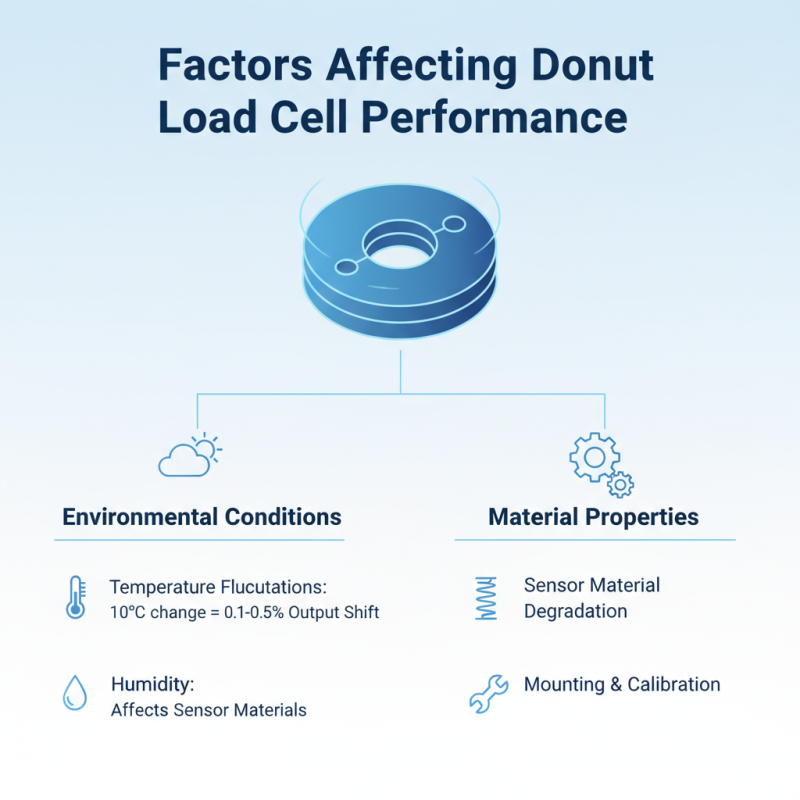
When considering donut load cells, several factors impact their performance significantly. Environmental conditions are crucial. Temperature fluctuations can lead to measurement inaccuracies. Research indicates that a temperature change of just 10°C can shift the output signal by about 0.1% to 0.5%. Humidity also plays a role, potentially affecting the sensor materials and performance.
Installation impacts performance as well. An improperly installed load cell can result in mechanical strain, thus skewing the readings. Misalignment during installation can introduce errors, often exceeding 1% in critical applications. Adjusting the load path to maintain alignment is essential to reduce these risks.
Regular calibration is vital too. Over time, load cells might drift from their original specifications. According to studies, load cells should be calibrated every six to twelve months, depending on usage. Ignoring calibration can lead to inaccuracies in a measurement range that may exceed ten percent. Ensuring routine checks maintains reliability in measurements, highlighting the importance of oversight in operational environments.
Future Trends in Donut Load Cell Technology and Development
The future of donut load cell technology is bright and evolving. New materials and designs enhance performance and durability. Engineers focus on improving sensitivity and accuracy. Advanced calibration methods can lead to more reliable measurements. This trend will support diverse applications in various industries.
Integration with IoT technology stands out. Connected load cells can transmit data in real-time. This capability allows for improved monitoring and analytics. However, developers must address cybersecurity concerns. Protecting sensitive data is crucial as connectivity grows.
Sustainability is another key consideration. Manufacturers are exploring eco-friendly materials. This approach can reduce waste and environmental impact. Despite these advancements, the industry still faces challenges. Balancing performance, cost, and sustainability requires ongoing effort. Continuous innovation will be essential for future developments.
China Best Donut Load Cell Performance and Applications Explained - Future Trends in Donut Load Cell Technology and Development
| Performance Metric |
Value |
Applications |
Future Trends |
| Capacity |
0.5 to 100 tons |
Industrial weighing, Material testing |
Increased sensitivity and accuracy |
| Sensitivity |
0.5 mV/V |
Food processing, Load monitoring |
Integration with IoT technologies |
| Temperature Range |
-10°C to +60°C |
Construction, Automotive industry |
Enhanced thermal stability |
| Material |
Stainless Steel |
Aerospace, Shipping |
Lightweight composite materials |
| Output Signal |
Analog (4-20 mA) |
Healthcare, Energy measurement |
Development of wireless technologies |

 sales@loadcellsensor.com