How to Choose Load Sensors at the 139th Canton Fair?
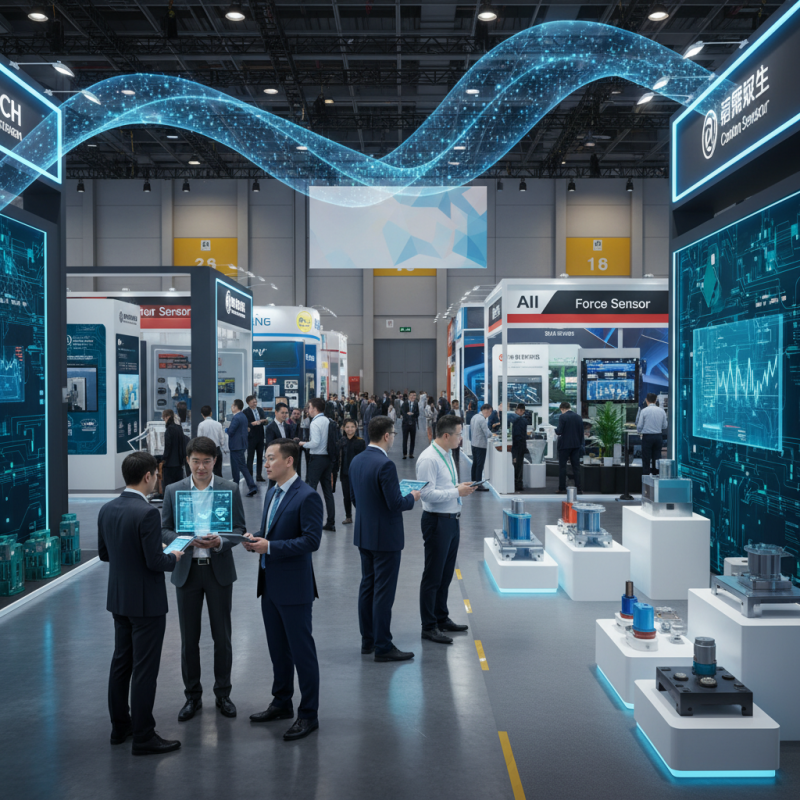
Choosing the right load sensor is essential for various applications. The 139th Canton Fair offers a rich platform for exploring diverse options. From April 15 to May 5, 2026, buyers can connect with innovative manufacturers specializing in load sensors.
With the introduction of AI-driven search features, finding suitable suppliers becomes easier. Buyers can filter suppliers by specific qualifications such as ISO and CE certifications. This is important, as quality assurance is crucial for load sensors.
However, navigating the vast exhibition area can still pose challenges. Inefficiencies in transitioning between booths may arise. It is vital to plan ahead and utilize AI tools effectively. Reflecting on these practical aspects will ensure a productive experience at the fair.
Understanding Load Sensors: Types and Applications
Load sensors play a vital role in various industries. They help measure weight or force and ensure safety in operations. Understanding the types of load sensors available can significantly influence your choice. Strain gauge sensors are commonly used for their high accuracy. They are ideal for static weight measurements. In contrast, load cells are popular for dynamic applications, such as weighing moving objects on conveyor belts.
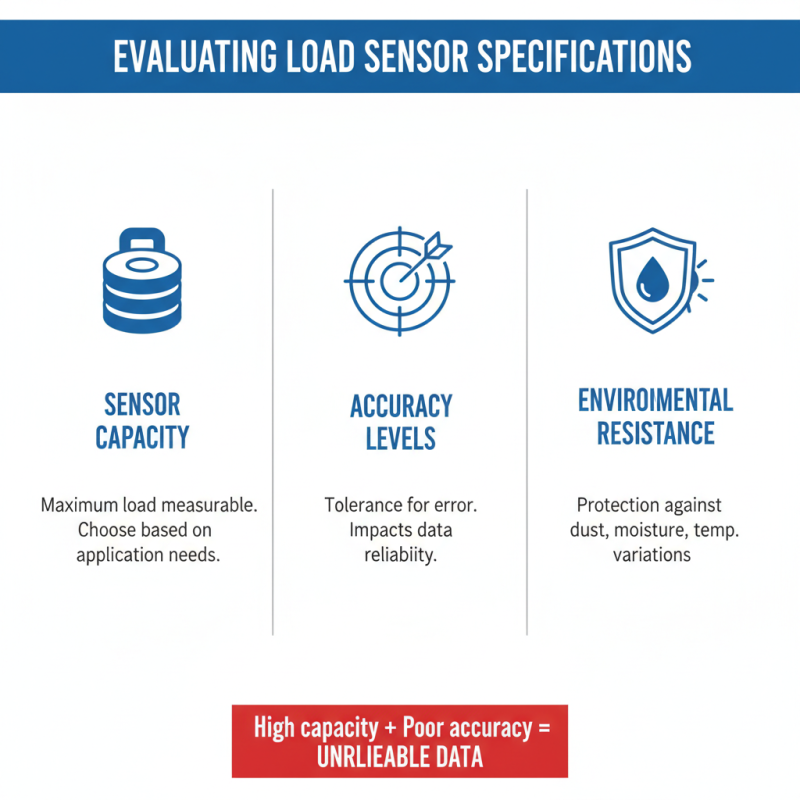
When selecting a load sensor, consider the application. Each sensor type has its strengths and weaknesses. For instance, piezoelectric sensors work well for high-frequency measurements, but they may not perform well in low-frequency scenarios. It’s essential to evaluate how precise you need the measurements to be. Overestimating your requirements can lead to unnecessary costs. If you choose a sensor that is too sensitive, it might yield inconsistent results. Finding a balance between sensitivity and accuracy is crucial.
Additionally, environmental factors must not be overlooked. Humidity, temperature, and pressure can all affect sensor performance. Some sensors are better suited for harsh conditions, while others might require protective housing. It is important not to ignore these aspects when making your decision. Poor environmental compatibility could result in false readings or premature sensor failure. Thus, understanding your application and environmental conditions is key to making an informed choice.
Load Sensor Types and Their Applications
This bar chart provides an overview of various load sensor types and their common applications. The data highlights the popularity of each type based on application use cases.
Factors to Consider When Selecting Load Sensors
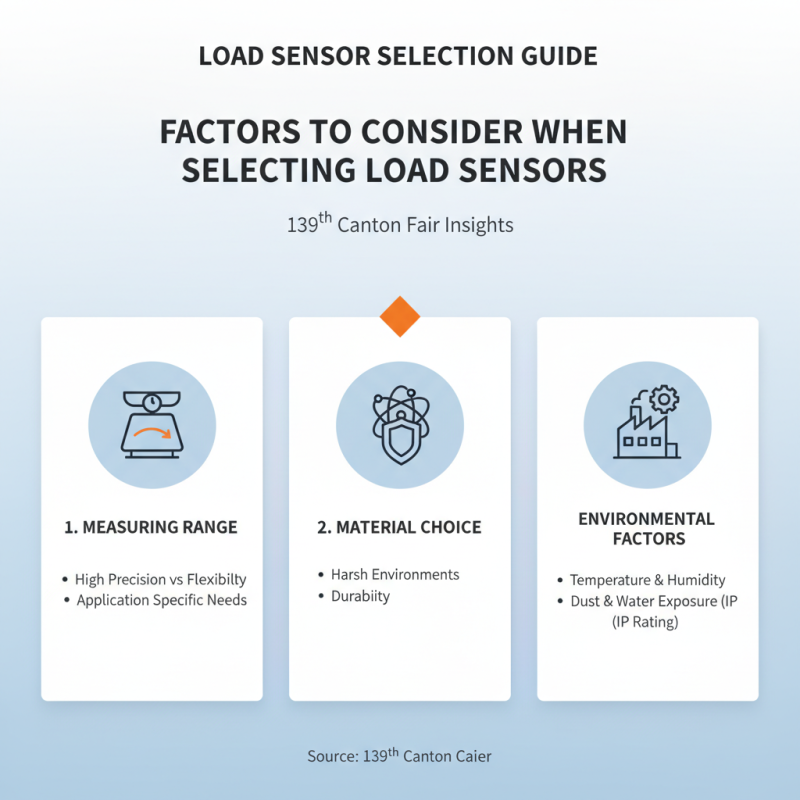
When selecting load sensors at the 139th Canton Fair, several critical factors must be considered. First, think about the measuring range needed for your application. Some activities require high precision, while others may allow for more flexibility. The choice of material for the sensor also matters. Sensors in harsh environments should be constructed from durable materials. This consideration can influence your decision greatly.
Another aspect that cannot be overlooked is the sensor's installation method. Different setups may require various mounting styles, impacting the overall efficiency. Be aware of size limitations, as they can restrict your available options. Sometimes, smaller sensors might lack the required accuracy. Make sure to weigh these aspects carefully.
Power consumption is essential, especially for remote applications. Look for energy-efficient models that can operate on minimal power. This move not only prolongs the lifespan but also saves costs in the long run. Reflect on the long-term implications of your choices. Each aspect is interconnected, urging you to choose wisely, as your decision may have lasting effects.
Best Practices for Sourcing Load Sensors at Trade Fairs
When sourcing load sensors at trade fairs like the 139th Canton Fair, a few best practices can help you succeed. Start by identifying your specific needs. What type of load sensor do you require? This clarity will guide your choices among numerous exhibitors. Walk the aisles strategically. Focus on booths featuring innovative designs. Engaging with manufacturers directly can reveal crucial details about their products.
Networking is vital. Connect with other attendees to gather insights. They can share experiences that might be valuable. Consider discussing your projects with several vendors. Compare offers, but also gauge their willingness to support after the sale. Ask about warranty terms. Sometimes, the best deal isn’t just about the price.
Assess the quality of the sensors. Look for displays showcasing their performance. Testing and demonstrations can provide significant insights. However, don’t hesitate to express concerns. Addressing potential issues early can build trust. Be aware that not all suppliers will have open communication. This can be a red flag. Not every interaction will be smooth, yet each provides a chance to learn. Such reflections are essential during the sourcing process.
Negotiating and Finalizing Your Load Sensor Purchase
Negotiating your load sensor purchase can be challenging. At the 139th Canton Fair, understanding key factors is essential. Load sensors vary widely in specifications. It's crucial to be clear about your needs. Start by knowing your application requirements. What will the sensors measure? How precise do they need to be? These details guide your negotiations.
When you engage with suppliers, be prepared to ask questions. Inquire about material durability and sensitivity. This affects performance and longevity. Also, discuss warranty terms and after-sales support. Suppliers should provide clear answers. If they hesitate, that might be a red flag. Feel free to negotiate prices but remember to stay fair. An unreasonable offer can sour relationships.
Reflect on your past experiences with load sensors. Did you face issues with calibration? Were there recurring problems? These insights can guide your decisions. Understand that not every sensor will meet your expectations. Be open to feedback from suppliers. They often provide valuable insights based on years of experience. Trust your instincts, but remain diligent in your research.
How to Choose Load Sensors at the 139th Canton Fair? - Negotiating and Finalizing Your Load Sensor Purchase
| Sensor Type |
Weight Range (kg) |
Output Signal |
Accuracy (%) |
Price Range ($) |
| Strain Gauge Load Cell |
0-1000 |
Analog |
0.05 |
50 - 150 |
| Ultrasonic Load Sensor |
0-300 |
Digital |
1.0 |
100 - 250 |
| Pressure Load Cell |
0-5000 |
Analog |
0.1 |
200 - 400 |
| Tension and Compression Load Cell |
0-20000 |
Analog/Digital |
0.05 |
300 - 600 |

 sales@loadcellsensor.com