2026 How to Choose the Best Hollow Load Cell for Your Needs?
In the realm of industrial weighing solutions, Hollow Load Cells stand out for their precision and versatility. According to a recent market analysis by Grand View Research, the global load cell market is expected to reach USD 3.8 billion by 2025, with a significant portion attributed to hollow load cells. These devices play a critical role in various applications, from manufacturing to research.
Selecting the right Hollow Load Cell requires an understanding of your specific needs. Factors such as capacity, sensitivity, and environmental considerations can greatly impact performance. For instance, a load cell designed for high-capacity applications may not provide the desired accuracy in sensitive measurements. Furthermore, while experts emphasize the importance of quality, many users overlook the potential pitfalls of misapplication or improper calibration.
As you navigate the complexities of choosing a Hollow Load Cell, remember that the stakes are high. A suboptimal choice can lead to inaccurate readings, affecting both safety and productivity. Therefore, it's crucial to weigh all options carefully while considering industry standards and expert recommendations. Balancing these elements will guide you toward an informed decision tailored to your unique operational demands.
Understanding Hollow Load Cells: Types and Applications
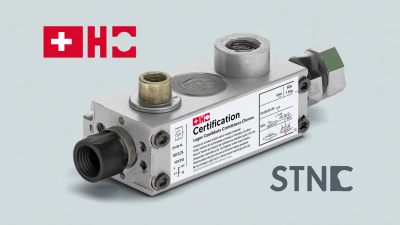
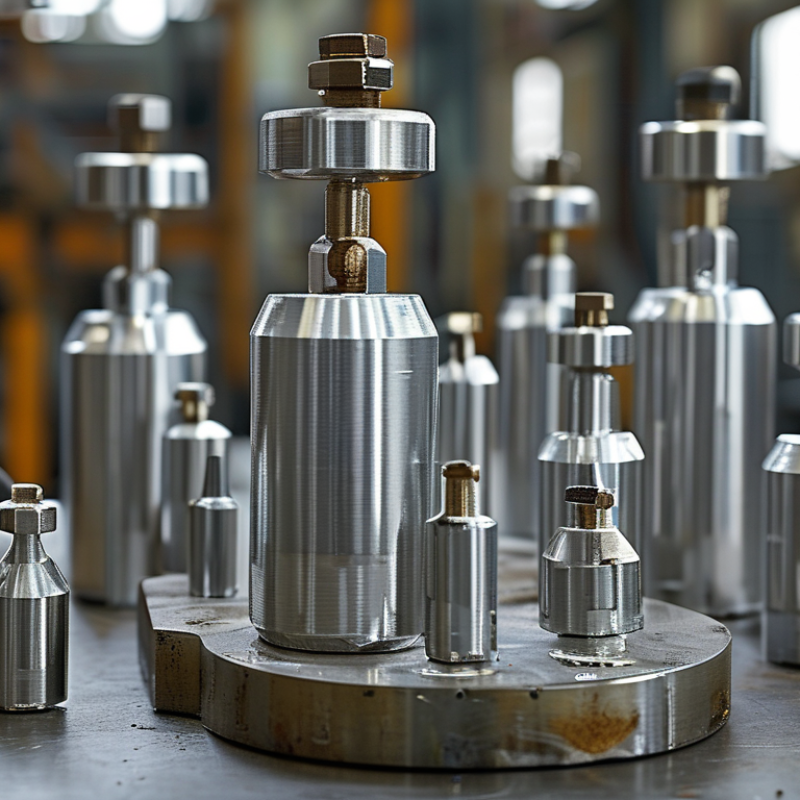
Hollow load cells play a crucial role in various industrial applications. They are primarily used for measuring force, weight, or load in tension and compression scenarios. These sensors are engineered with a hollow cylinder structure, allowing them to withstand high forces while remaining lightweight. The unique design ensures accuracy in measurement, making them suitable for precision tasks.
In terms of types, there are several variations of hollow load cells. Some are designed for high-altitude applications, while others cater to underwater environments. Each type has specific characteristics tailored to unique operating conditions. Understanding these options allows users to select the best fit for their needs. For instance, a load cell used in a crane operation must meet different requirements compared to one used in a laboratory setting.
Applications of hollow load cells vary widely, spanning from aerospace to manufacturing. In aerospace, they are crucial for monitoring structural loads during tests. In manufacturing, they assist in material handling and quality control. Despite their effectiveness, users sometimes face challenges with calibration and integration into existing systems. Reflecting on these aspects is important to ensure optimal performance and reliability.
Key Factors to Consider When Choosing a Hollow Load Cell
When selecting a hollow load cell, several critical factors come into play. First, consider the load cell’s capacity. This aspect determines how much weight it can accurately measure. If you anticipate varying loads, choose a model with a greater capacity than you expect to handle. This prevents unexpected overloads, which could lead to inaccurate readings or damage.
Another important factor is the environment where the load cell will be used. Conditions such as temperature, humidity, and exposure to chemicals can affect performance. Opt for a load cell with appropriate protection features, such as IP ratings, ensuring durability in harsh environments. Understanding the specific requirements of your application is essential.
Accuracy is vital as well. Look for specifications that detail the load cell's precision level. Calibration may also be necessary over time, adding a layer of responsibility in maintaining accuracy. Reflecting on these aspects during your selection process will guide you toward the best choice for your needs.
Adjusting your criteria based on real experiences can lead to better decisions. Choosing your hollow load cell requires careful thought, pausing to evaluate every factor.
Assessing Accuracy and Load Capacity for Your Specific Needs
When selecting a hollow load cell,
accuracy and
load capacity are crucial factors. Understanding your specific
application helps narrow down options. Load cells must handle expected weights
without distortion. If they can’t manage the load, readings become irrelevant.
Testing under real conditions is vital for ensuring reliability.
Pressure tests can reveal how well the load cell performs.
Calibration is another key aspect. A load cell might seem precise, but
inaccuracies can arise over time or due to environmental factors.
Regular checks are necessary to maintain performance. A slight drift in measurement
can lead to significant errors in sensitive operations. Detailed specifications from
manufacturers provide insight into expected accuracy levels.
Consider the environment where the load cell will operate. Factors like
temperature and
humidity can impact readings.
Proper housing can help protect sensitive components. However, it can also
introduce variables that might affect accuracy. Each choice has implications
that require careful thought. Reflecting on these aspects ensures
informed decision-making
for your needs.
Material and Environmental Considerations for Load Cells
When selecting a hollow load cell, the material is a critical factor.
The common materials include aluminum and stainless steel.
Aluminum is lightweight and offers good accuracy, but it may not withstand harsh environments.
Stainless steel is more robust and resistant to corrosion, ideal for outdoor or industrial settings.
Environmental considerations cannot be overlooked.
Factors like humidity, temperature, and exposure to chemicals can affect load cell performance.
For example, extreme temperatures may alter material properties, impacting accuracy.
Protecting load cells with enclosures or seals can mitigate some risks.
A well-considered design should address these environmental challenges effectively.
Testing load cells under actual working conditions is often necessary.
Manufacturers can provide insights into performance based on similar applications.
However, every environment is unique, and assumptions can lead to miscalculations.
Understanding the interplay between materials, environment, and application ensures a more reliable choice.
Installation and Maintenance Tips for Optimal Performance
When installing a hollow load cell, proper placement is crucial. Ensure that it is level and securely mounted to prevent errors. Industry studies show that misalignment can cause measurement inaccuracies of up to 2%. Regular checks can help maintain precision.
After installation, regular maintenance is vital for optimal performance. Cleaning the load cell and checking for signs of wear should be routine. According to research, routine maintenance can enhance the lifespan of load cells by 30%. Avoid corrosion by choosing suitable materials for your environment.
Sometimes, issues arise unexpectedly. It’s important to address unusual readings immediately. Regular calibration will help identify potential problems early. This proactive approach improves the reliability of your system. Keeping a maintenance log can aid in identifying patterns or recurring issues, providing insights for future improvements.

 sales@loadcellsensor.com