How to Choose the Right 1kg Load Cell for Your Needs?
Choosing the right 1kg Load Cell can significantly impact your measurement accuracy. As industry expert Dr. Emily Chen states, "The right load cell directly affects performance." Selecting the right load cell is crucial for applications ranging from laboratory testing to product packaging.
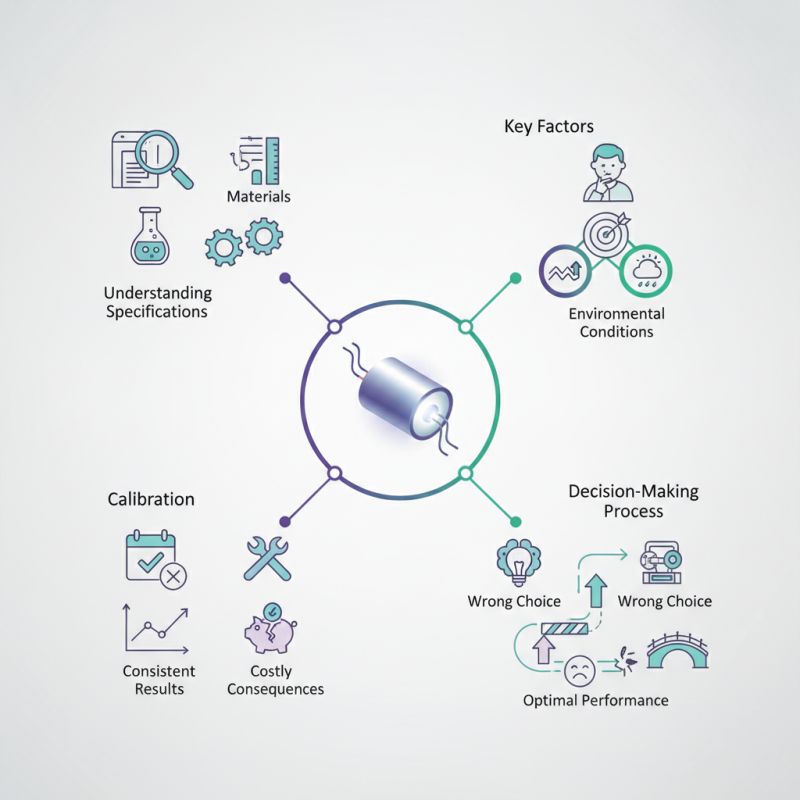
Understanding specifications is vital. Load cells come with various materials, dimensions, and technologies. It can be overwhelming to navigate these options. Key factors include sensitivity, accuracy, and environmental conditions. For instance, a 1kg Load Cell may function differently in humid environments. This complexity can lead to mistakes if rushed.
Many users overlook load cell calibration. Regular calibration is essential for consistent results. The consequences of neglect can be costly. It’s crucial to reflect on the decision-making process. Choosing the wrong load cell can hinder projects. Therefore, careful consideration is necessary to ensure optimal performance.
Understanding Different Types of 1kg Load Cells Available in the Market
When selecting a 1kg load cell, it’s essential to understand the various types available in the market. Load cells can be broadly categorized into different types based on their working principles. Strain gauge load cells are the most common. They operate by measuring the deformation of a material under stress. These are ideal for accurate weight measurements. However, they can be sensitive to temperature changes, which might affect their reliability.
Another type is the capacitive load cell. This type uses changes in capacitance to measure weight. They tend to be less affected by temperature. Yet, they may not be as accurate as strain gauge cells for small weights, like our 1kg target. For specific applications, consider hydraulic load cells. These use fluid pressure to measure load, offering high durability. However, they can be bulkier and more complex to install.
Evaluating the environment where the load cell will be used is crucial. If you have high humidity or vibration, specific types will perform better than others. Reflect on the extreme conditions you might face. Choosing the appropriate load cell involves balancing accuracy, sensitivity, and environmental factors. It is a nuanced process that requires careful consideration of your specific needs.
How to Choose the Right 1kg Load Cell for Your Needs?
| Type of Load Cell |
Material |
Output Signal |
Accuracy (% of Full Scale) |
Temperature Range (°C) |
Key Applications |
| Strain Gauge Load Cell |
Aluminum |
mV/V |
0.03% |
-10 to +70 |
Weighing scales, industrial applications |
| Hydraulic Load Cell |
Steel |
Pressure |
0.5% |
-20 to +50 |
Cranes, load monitoring |
| Piezoresistive Load Cell |
Ceramic |
mV/V |
0.2% |
-20 to +85 |
Medical devices, aerospace applications |
| Capacitive Load Cell |
Plastic |
Voltage output |
0.1% |
-10 to +60 |
Consumer electronics, light industrial applications |
Key Specifications to Consider When Selecting a Load Cell
When selecting a 1kg load cell, several key specifications must be considered. These include capacity, accuracy, sensitivity, and operating temperature. A load cell's capacity should exceed your maximum expected load to ensure it operates safely. Accuracy is crucial; typical values range from 0.1% to 0.5% of the reading. Research indicates that a load cell's sensitivity can significantly impact its performance, with higher sensitivity providing better results.
Tips: Always verify the load cell's specifications against your application requirements. Ensure that the chosen cell can handle environmental factors, such as humidity and temperature, which can affect performance.
Another important specification is the hysteresis, which measures the difference in output when the load is applied and removed. Ideally, this value should be less than 0.01% for precise measurements.
Tips: Conduct tests under varying conditions to understand the load cell's responsiveness. This step could reveal potential issues in your specific application.
In terms of durability, look for load cells built with high-quality materials to withstand wear and tear. Data from industry reports suggest that load cells made from stainless steel last longer in challenging environments. Attention to these specifications can guide you toward the right load cell for your needs.
Assessing Environmental Factors for Load Cell Performance
When choosing a 1kg load cell, environmental factors play a crucial role in its performance.
Temperature variations can significantly affect accuracy. For example, extreme heat or cold can lead to drift in measurements.
Humidity is another factor to consider. High moisture levels can lead to corrosion or degraded performance.
Assessing the environment should be your first step.
Physical conditions also matter. Is there a risk of mechanical shock?
Vibrations can affect readings, especially in dynamic applications. Using load cells in noisy environments may require additional shielding.
Look at potential contaminants as well. Dust, chemicals, or even exposure to liquids can impact functionality.
Understanding these risks ensures you choose a load cell suited for your specific needs.
It's easy to overlook these factors in the selection process. Every environment presents unique challenges.
Ask yourself, will this load cell hold up in my setting? Consider getting expert advice tailored to your application.
Balancing between precise requirements and environmental conditions leads to better performance.
Evaluating Load Cell Accuracy and Calibration Requirements
When selecting a 1kg load cell, accuracy and calibration play critical roles. Load cell accuracy is often defined by its ability to yield precise measurements at various loads. It is essential to understand the specifications related to accuracy percentage. A 0.1% accuracy rating means the readings can deviate by that margin. For sensitive applications, even small inaccuracies can lead to significant errors.
Calibration is another key component to consider. Regular calibration ensures that your load cell continues to provide reliable data over time. A flawed calibration process can result in measurement drift, which might go unnoticed. Depending on the use case, calibration may be required more frequently. Make sure to document all calibration reports for traceability.
Tips:
Always conduct initial calibration before first use. Timely recalibrations help maintain measurement integrity. Keep an eye on environmental factors, as temperature and humidity can impact readings.
Remember, choosing the right load cell is not just about numbers. Investigate the load cell's design and application suitability. Experiencing unexpected performance? Reflect on your setup and environmental conditions. Understanding these aspects can enhance your load cell's effectiveness.
Integrating Load Cells into Your System: Compatibility and Connectivity
Choosing the right 1kg load cell hinges on understanding its compatibility and connectivity features. Load cells operate based on a strain gauge principle and must integrate seamlessly into your existing systems. Whether you're dealing with analog or digital output, knowing your system's specifications is critical. Recent data indicates that up to 30% of load cell malfunctions stem from poor connectivity choices.
When selecting a 1kg load cell, focus on input signal types. Some systems require specific voltage levels or resistance values. Check the compatibility of the load cell with your system's existing data acquisition setup. A study by the International Society of Engineering showed that proper integration can improve measurement accuracy by up to 15%.
**Tip**: Always verify communication protocols, like RS-232 or I²C, before finalizing your load cell choice.
Consider environmental factors as well. Certain load cells perform better under extreme temperatures or humid conditions. The IP rating of the load cell can guide you in making an informed choice. Reflect on any previous installation mistakes; they can guide you towards better decisions.
**Tip**: Remember to assess cable lengths and routing in your setup to avoid signal contamination.

 sales@loadcellsensor.com