How to Choose the Right Biaxial Load Cell for Your Needs?
Choosing the right Biaxial Load Cell is a critical decision for many industries. These devices measure force in two directions, providing essential data for applications like weighing and pressure monitoring. However, not all load cells are created equal. Variations exist in their design, capacity, and accuracy, which can greatly affect performance.
Understanding your unique needs is vital. If a load cell is too sensitive or too robust, it may lead to errors in data collection. Factors like environmental conditions and installation methods can influence this choice too. Selecting the wrong Biaxial Load Cell could result in costly consequences, both in terms of finances and operational efficiency.
Expertise is necessary in this selection process. Consulting with reliable manufacturers can provide valuable insight. They can help clarify specifications that align with your specific application. An informed choice involves assessing details and reflecting on potential issues in your current setup. Make sure you consider long-term implications, not just immediate results.
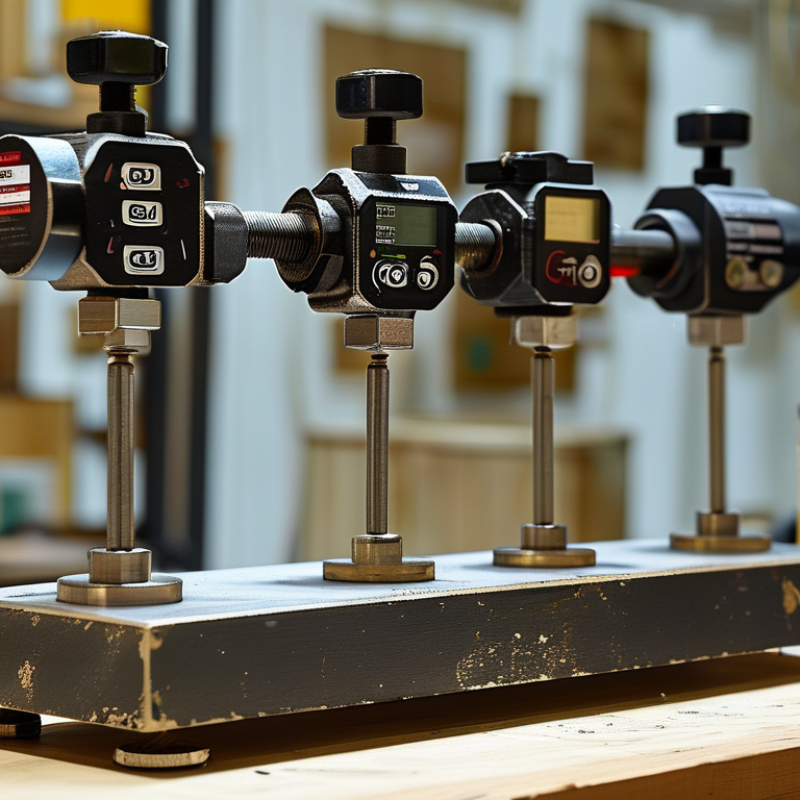
Understanding Biaxial Load Cells and Their Applications
Biaxial load cells are sensors that measure force in two directions. They are pivotal in various applications, including industrial automation, aerospace, and medical devices. These cells provide accurate data crucial for monitoring loads, especially in scenarios where traditional load cells fall short. Research indicates that the global market for load cells is projected to grow by over 5% annually, emphasizing their increasing importance in technology-driven sectors.
When selecting a biaxial load cell, consider the environment. High humidity or extreme temperatures can affect performance. Choose models with proper protective coatings for enhanced durability. Understanding the load range is essential. Overloading can lead to inaccuracies or even cell failure. Data from industry reports shows calibrating load cells can significantly improve accuracy. Detailed calibration can enhance measurement reliability.
Tip: Assess your load cell's mounting options. Improper mounting can skew results.
Another aspect to ponder is the cell's sensitivity and resolution. While high sensitivity is desirable, it may not always be necessary. Balancing these factors can optimize performance. Newer technologies are emerging in the field. Some load cells now include digital output options for easier integration.
Tip: Regular maintenance checks can extend lifespan and reliability.
Key Specifications to Consider When Choosing a Biaxial Load Cell
When selecting a biaxial load cell, several key specifications demand careful consideration. The load cell's capacity is crucial. Knowing the maximum load helps prevent overload situations. A cell rated too low can lead to failure, while one rated too high may affect sensitivity. Always match the cell capacity to your application's needs.
Another vital aspect is the accuracy of the load cell. The specifications typically include a percentage indicating the error range. A lower percentage denotes higher accuracy. Ensure the load cell can measure both tension and compression adequately. This dual functionality enhances versatility in various applications.
Lastly, the environmental conditions play a significant role in your choice. Biaxial load cells can be sensitive to temperature changes. Review the temperature range specified by the manufacturer. Moisture and dust resistance are also important. Selecting a load cell with adequate environmental protection can prevent premature failure. A true understanding of these factors will help you make an informed decision.
Factors Influencing the Selection of Biaxial Load Cells
When selecting a biaxial load cell, several factors come into play. Understanding your application is essential. Consider the types of loads the cell will experience. Different applications have varying load requirements, impacting the load cell's design. Think about the weight and force ranges needed for accurate measurements.
Environmental conditions are equally important. Load cells may be exposed to moisture, vibrations, or extreme temperatures. These factors can affect performance. Choose a load cell that can handle these conditions without compromising reliability.
**Tips:** Assess the installation space. A compact design may be crucial. Also, pay attention to the cell's output specifications. Accurate readings depend on proper calibration and setup. Keep an eye on potential issues, like drift or noise, that may arise during operation. Reflecting on these selections will enhance your decision-making process. Carefully balancing these factors can lead to more effective and reliable performance in your application.
How to Choose the Right Biaxial Load Cell for Your Needs? - Factors Influencing the Selection of Biaxial Load Cells
| Factor |
Description |
Considerations |
| Load Capacity |
The maximum load the cell can accurately measure. |
Choose a load cell with a capacity slightly above your expected maximum load to ensure accuracy. |
| Sensitivity |
The smallest change in load that can be detected. |
Select a cell with adequate sensitivity for your application requirements. |
| Environmental Conditions |
Factors such as temperature, humidity, and exposure to corrosive substances. |
Ensure the load cell is rated for the specific environmental conditions of your application. |
| Size and Form Factor |
The physical dimensions and shape of the load cell. |
Consider the space available for installation and any mounting requirements. |
| Output Signal |
Type of signal the cell produces (analog or digital). |
Ensure compatibility with your data acquisition system. |
| Calibration |
The process of ensuring accurate measurements. |
Review the calibration options and frequency required for your application. |
| Price |
Cost of the load cell. |
Balance the cost with the required features and specifications. |
Common Industries Utilizing Biaxial Load Cells
Biaxial load cells are essential in various industries. They measure force along two axes, increasing measurement precision. Their applications span healthcare, aerospace, and industrial automation.
In healthcare, they contribute to patient monitoring devices. Reports indicate that the healthcare sector accounts for nearly 30% of the global load cell market.
In aerospace, load cells ensure the safety and reliability of aircraft systems. The demand for precision in this industry has grown, leading to a projected increase in market size by 6% annually through 2027. Industrial automation utilizes biaxial load cells for robotic systems. They enable accurate force feedback, enhancing the efficiency of manufacturing processes.
The reliance on accurate data in automation cannot be underestimated.
However, challenges exist. Selecting the right load cell requires a deep understanding of application requirements. Some industries face difficulties in the installation and calibration phases.
Potential underperformance may arise from improper use, leading to measurement errors. Ensuring the right specifications is crucial to avoid costly mistakes in various applications.
Tips for Maintenance and Longevity of Biaxial Load Cells
Biaxial load cells are vital in various applications. Their performance can be affected by neglect. Proper maintenance extends their lifespan and accuracy.
Regular cleaning is essential. Dust and debris can impact performance. Use a soft cloth for external surfaces. Avoid harsh chemicals that might damage sensitive components.
Calibration is another key aspect. Scheduling routine checks ensures accuracy. If a load cell shows inconsistent readings, it may need recalibration. Record the frequency of use to anticipate maintenance needs.
Load cells also require careful handling. Sudden impacts can lead to damage. Always follow manufacturer guidelines when transporting or installing these devices. Document any issues to analyze recurring problems.

 sales@loadcellsensor.com