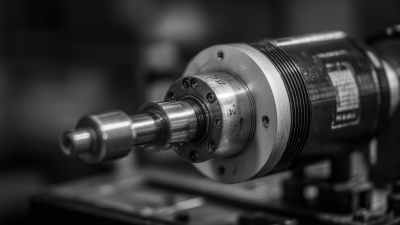
How to Choose the Right Force Transducer for Your Needs?
In today’s competitive landscape, selecting the right force transducer is crucial for accurate measurements. According to a recent report by MarketsandMarkets, the global force sensor market is expected to reach $2.5 billion by 2026, highlighting the growing need for precision in various industries. Force transducers play an essential role in applications ranging from automotive testing to medical devices, impacting both safety and performance outcomes.
With a multitude of options available, choosing the appropriate force transducer can be overwhelming. Factors such as load range, sensitivity, and material compatibility must be considered. Industry experts emphasize the importance of understanding specific project requirements. This knowledge ensures you invest in a transducer that aligns with your needs, rather than just opting for the latest technology.
However, it is essential to critically evaluate the suppliers and their claims. Numerous products might boast advanced features but may not deliver in real-world applications. Engaging with knowledgeable professionals and reviewing authoritative data will guide you toward a reliable and effective force transducer, enabling more dependable results in your projects.
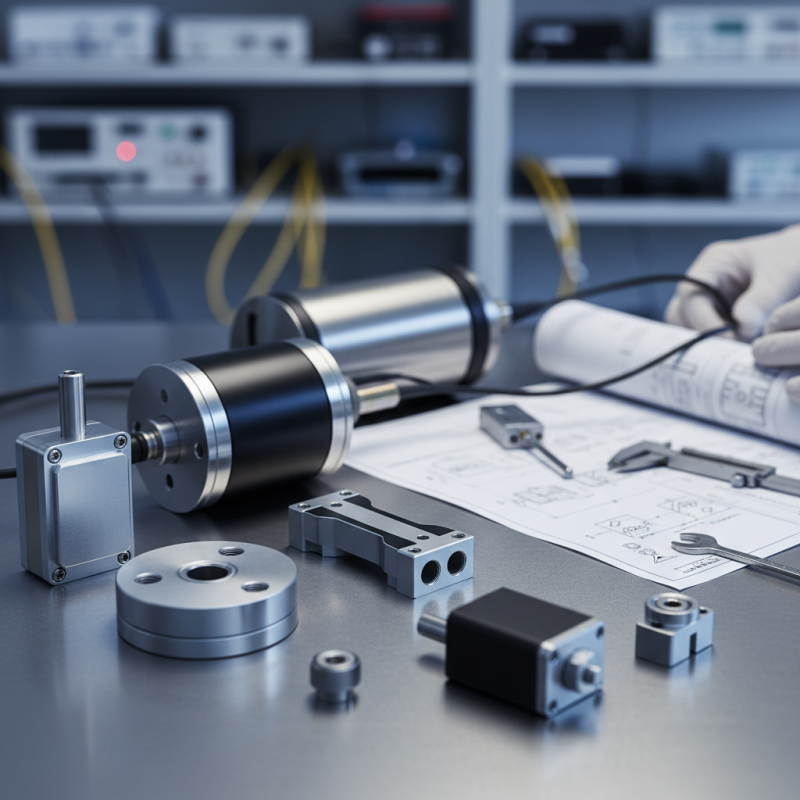
Identifying Your Measurement Requirements for Force Transducers
When selecting a force transducer, understanding your measurement requirements is vital. Start by considering the type of force you need to measure. Are you focusing on tensile, compressive, or complex forces? Each application demands a specific design. For instance, using a load cell for compressive forces might not yield accurate results in tensile applications. Recognizing these distinctions helps pinpoint the right transducer.
Next, think about the range of forces you expect to measure. Force transducers come with different ranges, and finding one that matches your needs is crucial. Oversized transducers can lead to measurement inaccuracies. On the contrary, a transducer with a too-small range may exceed limits and suffer damage. Additionally, consider the environmental conditions your transducer will face. Temperature, humidity, and potential exposure to contaminants can impact performance. You may need a rugged design to withstand harsh environments.
Finally, accuracy and sensitivity should be core considerations. These specifications dictate how well the transducer responds to force changes. Investigating these elements can be complex and might involve calculations. Don't hesitate to seek expert advice. Balancing precision with your specific applications requires careful thought. Documenting your specific needs can guide you through this selection process effectively.
Force Transducer Selection Criteria
Choosing the right force transducer requires understanding your specific measurement requirements. This chart visualizes key criteria such as load capacity, sensitivity, frequency response, linearity, and temperature range that help guide you in selecting the best transducer for your application.
Understanding Different Types of Force Transducers Available
Force transducers are essential devices used in various applications. Choosing the right type can be challenging. There are several types of force transducers available, each serving different needs. Load cells are the most common type. They convert force into an electrical signal. These devices are robust and accurate, suitable for industrial applications.
Another type is the piezoelectric sensor. These sensors respond to dynamic forces and are great for measuring fast changes. They are often used in research settings. Strain gauges are another option. They measure deformation in materials, providing precise readings under stress. Each type has pros and cons that depend on the specific application.
It's crucial to consider your requirements carefully. The environment, load range, and response time are vital. Sometimes, a specific sensor may not meet all your needs. This mismatch can lead to errors in data collection. Therefore, it is essential to blend expertise with real-world testing. This approach ensures the selected transducer performs reliably in your application.
Evaluating Accuracy and Precision Specifications for Your Application
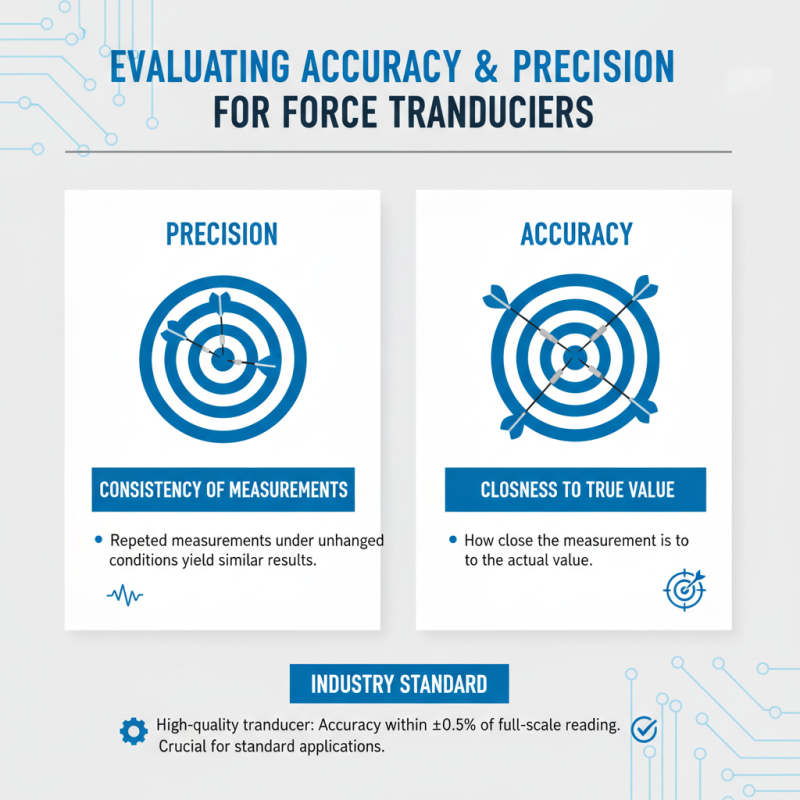
When selecting a force transducer, accuracy and precision are key factors. According to recent industry reports, precision is often quantified as the degree to which repeated measurements under unchanged conditions yield the same result. Accuracy, however, indicates how close the measurement is to the true value. A high-quality transducer should offer an accuracy within ±0.5% of the full-scale reading in most standard applications.
Evaluating accuracy alone is not enough. Consider the application environment, which can introduce various biases. Factors such as temperature, mechanical stress, and material fatigue can affect both accuracy and precision. For example, repeated tests in varying temperatures might show slightly different results, prompting a closer look at calibration processes.
Tips: Regular calibration is crucial. Schedule routine checks. Make sure environmental conditions are controlled during testing.
Keep in mind that more expensive does not always mean better performance. Analyze your specific needs against the specifications provided. A transducer with high precision may not always meet unique application requirements, especially in high-stress environments. Reflecting on past experiences can guide you to avoid common pitfalls.
Considering Environmental Factors Affecting Transducer Performance
Environmental factors significantly influence the performance of force transducers.
Temperature fluctuations can affect their accuracy. High humidity can lead to corrosion, while extreme vibrations may disrupt functionality.
A transducer should be selected based on its ability to withstand these conditions. This ensures reliable measurements in various environments.
Consider the application environment carefully. If exposed to dust or moisture, a hermetically sealed transducer is ideal. In contrast, applications in stable indoor conditions might not require such robust features.
Each factor plays a role in maintaining performance levels. The challenge lies in predicting those environmental impacts. Some users may overlook this step, leading to failures in application.
Even with advanced technology, a transducer might not perform optimally in certain settings. Users should understand the limitations.
Investing time in assessing environmental factors can prevent costly mistakes.
Relying solely on specifications might not suffice. Practical experience in similar environments can guide better choices.
Always weigh the conditions against the transducer's capabilities.
Budgeting: Balancing Cost and Quality in Force Transducer Selection
When selecting a force transducer, balancing cost and quality is crucial. Quality sensors offer precision and reliability, but they often come with a higher price tag. Carefully evaluating your project demands can help you find the right balance. Sometimes, a less expensive model might not meet your needs, leading to inaccurate results. This could increase costs down the line.
Consider the specific requirements of your application. Will you use the transducer for high-frequency measurements or in harsh environments? Weighing these factors can reveal whether investing in a premium option is warranted. Budget constraints might urge you to compromise on quality. However, this decision could lead to unreliable data or even project failure.
Keep in mind that not all projects have the same priorities. A research project may necessitate high precision, while a prototype may benefit from lower costs. Each choice carries risk. Reflect on the long-term implications of selecting an inexpensive transducer. In many cases, spending a bit more upfront could save both effort and expenses later. Aim to select a model that meets your quality standards, even if it stretches your budget.
How to Choose the Right Force Transducer for Your Needs?
| Dimension |
Value |
Cost Range (USD) |
Quality Rating |
| Load Capacity |
0-5 kN |
$100 - $300 |
Good |
| Load Capacity |
5-20 kN |
$300 - $700 |
Very Good |
| Load Capacity |
20-50 kN |
$700 - $1500 |
Excellent |
| Accuracy |
±0.5% |
$100 - $400 |
Good |
| Accuracy |
±0.2% |
$400 - $900 |
Very Good |
| Accuracy |
±0.1% |
$900 - $2000 |
Excellent |

 sales@loadcellsensor.com