How to Choose the Right Reaction Torque Cell for Your Needs?
Choosing the right Reaction Torque Cell can significantly impact your projects. It’s essential to have expert guidance when navigating this complex field. Dr. Emily Johnson, an experienced engineer in torque measurement technology, states, “The right torque cell can enhance precision and reliability in mechanical testing.”
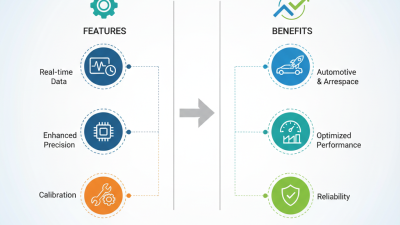
When selecting a Reaction Torque Cell, consider your specific needs. These devices are crucial for applications like automotive testing and assembly verification. Understanding the load capacity, sensitivity, and dimensions is vital. Each application has unique requirements that should influence your choice.
However, the selection process can be overwhelming. There are many brands, each with various models. It isn't always clear which one is the best fit. Taking the time to research and seek expert opinions can prevent costly mistakes. Always remember that the right Reaction Torque Cell not only assures accuracy but also boosts productivity. Balancing your choices can lead to greater success in your projects.

Understanding Reaction Torque Cells: Basics and Their Functionality
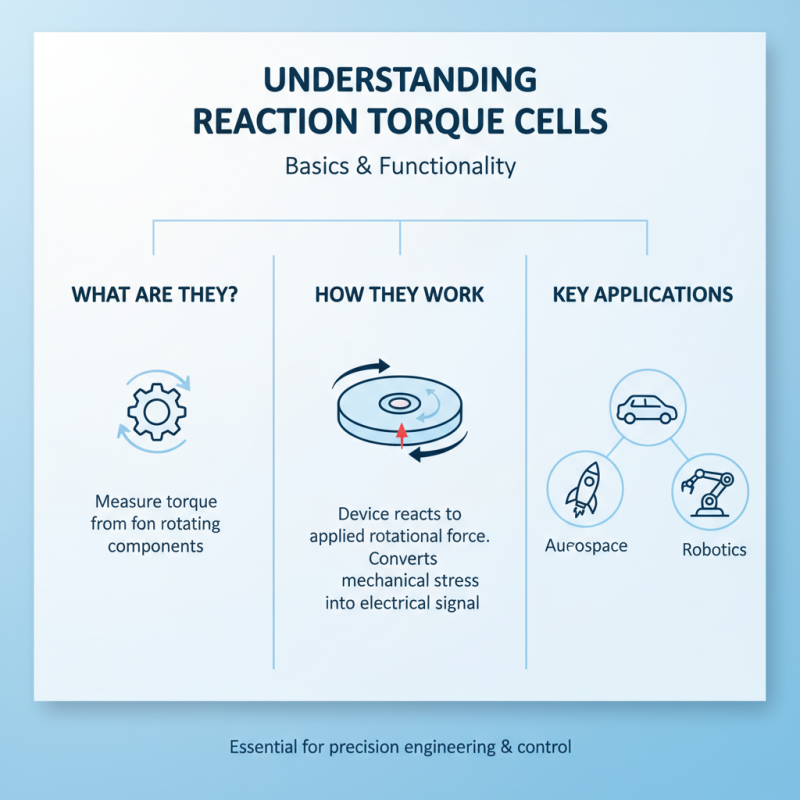
Understanding reaction torque cells is essential for many applications. These devices measure the torque produced by a rotating component. They play a crucial role in a variety of fields, including automotive, aerospace, and robotics.
Reaction torque cells operate by detecting the forces applied to a rotating body. They are designed to provide accurate measurements, ensuring reliable data for engineers. It is important to consider the specifications, such as load range and sensitivity. An inappropriate choice could lead to inaccurate readings, which may compromise project outcomes.
There are instances where users overlook the environmental conditions in which the torque cell operates. High temperatures or humidity can affect performance. Regular calibration is also a key factor; without it, results may drift over time. By recognizing these details, one can make a more informed decision when selecting a reaction torque cell.
Key Factors to Consider When Selecting a Reaction Torque Cell
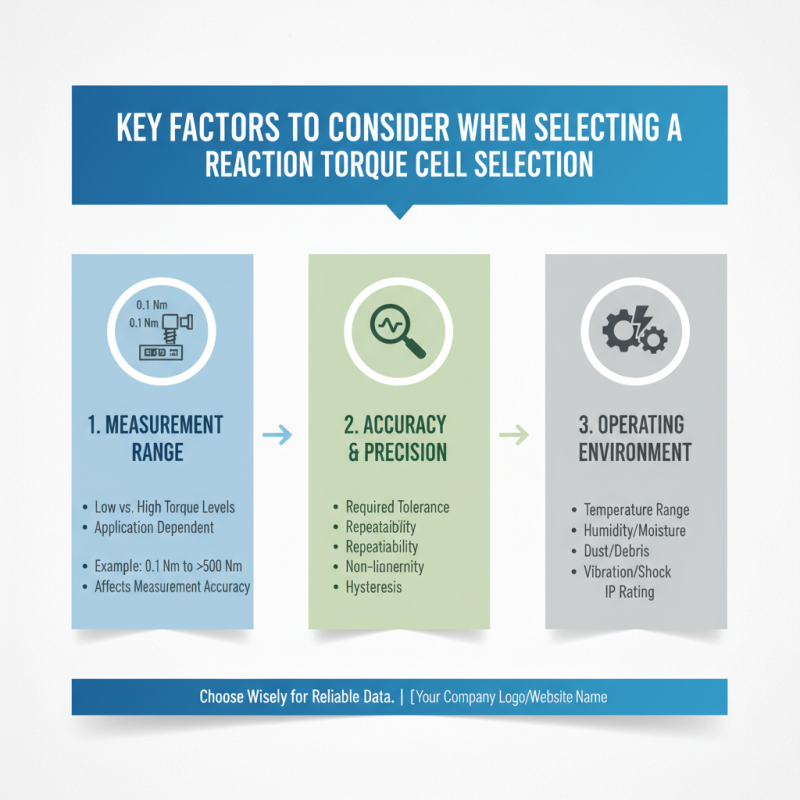
When selecting a reaction torque cell, it is crucial to consider several key factors. First, the measurement range plays a significant role. Depending on your application, you may need a cell capable of measuring low or high torque levels. For instance, some applications require precision at values as low as 0.1 Nm, while others might need a range exceeding 500 Nm. This capability directly affects the accuracy of your measurements.
Another important aspect is the resolution and sensitivity of the torque cell. A higher resolution usually indicates a better ability to detect small changes in torque. According to industry reports, cells with a resolution of 0.01% of full scale provide a reliable performance for demanding applications. Additionally, the temperature stability of the cell should not be overlooked. Temperature variations can influence accuracy. Opt for cells rated for stable performance in your operating temperature range to ensure consistency.
Finally, consider calibration practices. Regular calibration is vital to maintain the accuracy of any torque measurement tool. Industry standards recommend recalibration every six months to one year, depending on usage. The reliability of your torque cell hinges on these practices. While it's easy to overlook these details, the consequences of inadequate selection can lead to costly errors in your projects.
Types of Reaction Torque Cells and Their Applications
Reaction torque cells come in various types, each serving unique purposes. The primary types include rotary, static, and dynamic torque sensors. Rotary cells measure torque in rotating applications. They provide real-time data, crucial for monitoring machinery performance. Static torque sensors, on the other hand, are ideal for applications requiring a fixed position, such as in testing environments. They capture torque values accurately when a load is applied. Dynamic sensors adapt to changing speeds, making them suitable for fast-paced environments.
Understanding the application is vital when choosing the right cell. Assess the operational conditions and load types. Consider the speed and frequency of measurements required. For example, way more sensitive cells are necessary in high-speed operations than in low-speed tasks. It's important to match the torque cell to the specific application.
Sometimes, users overlook installation dynamics. Proper mounting ensures accurate readings. Installing a torque cell in an incorrect position can lead to misleading results. Regular calibration is essential to maintain accuracy and reliability over time. Reflecting on these factors can improve the selection process, ensuring better outcomes in your applications.
Torque Cell Types and Their Load Capacity
This chart displays the different types of reaction torque cells and their respective maximum load capacities, highlighting their applications in various fields such as automotive testing, industrial machinery, and research labs.
Evaluating Accuracy, Sensitivity, and Range in Torque Measurement
Choosing the right reaction torque cell is crucial for accurate measurements. When evaluating options, consider accuracy, sensitivity, and measurement range. Accuracy in torque measurement can vary significantly among devices. You need a cell that provides reliable results for your specific applications.
Sensitivity is equally important. A highly sensitive torque cell can detect small changes, which is vital in precise testing environments.
For practical use, keep in mind the environment. Your torque cell should withstand conditions such as temperature fluctuations and humidity. Measurement range impacts how well the cell performs in different scenarios.
It’s important to choose a device that aligns with both the lower and upper limits of your specific needs.
Tip: Assess your specific requirements before making a purchase. Consider creating a checklist of must-have features. A well-defined checklist will ensure you focus on what truly matters. Another tip is to consult experts or technical documentation to gain insights. This can help avoid common pitfalls in torque measurement selection.
Budgeting for Your Reaction Torque Cell: Cost vs. Quality Analysis
When considering a reaction torque cell, budgeting is crucial. A common misconception is that higher cost equals better quality. Many affordable options deliver reliable performance. Balancing cost and quality requires research and consideration of your specific needs. Factors such as measurement range, accuracy, and environmental durability play significant roles. Determining what matters most to your application is essential.
Quality doesn't always mean spending more. Some budget-friendly cells provide durability and precision. You may find they meet your requirements without compromising performance. However, cheaper models might lack long-term reliability. It's important to evaluate product reviews and specifications. Don’t solely rely on price as an indicator of value. Explore all options before making a decision.
Invest time in understanding what you need. This self-assessment can guide your choice effectively. Are you prioritizing precision over price? Reflecting on potential challenges is essential. It’s easy to overlook details that impact functionality. Make a list of must-haves and nice-to-haves. This can clarify your vision. Ultimately, your choice should align with both your budget and performance expectations.

 sales@loadcellsensor.com