sales@loadcellsensor.com

10 Essential Tips for Choosing the Right Hollow Load Cell
Selecting the right Hollow Load Cell is critical for various industrial applications. This small yet essential component measures weight and force with precision. With numerous options available, making an informed choice can be challenging. It's easy to feel overwhelmed by the technical specifications and features available.
Understanding the different types and capacities of Hollow Load Cells can significantly impact your project's success. You need to consider factors like measurement range and environmental conditions. The right choice ensures accuracy and durability in demanding situations. However, it's vital to remember that not all Hollow Load Cells are created equal. Some may fail to meet specific requirements, leading to inefficiencies or inaccuracies.
Experience and authority in this field can guide your decision. Nevertheless, reflecting on past experiences can improve your choices. Seek insights from experts and learn from previous mistakes. This approach will enhance your understanding and help you select the most suitable Hollow Load Cell for your needs.
Understanding the Basics of Hollow Load Cells and Their Applications
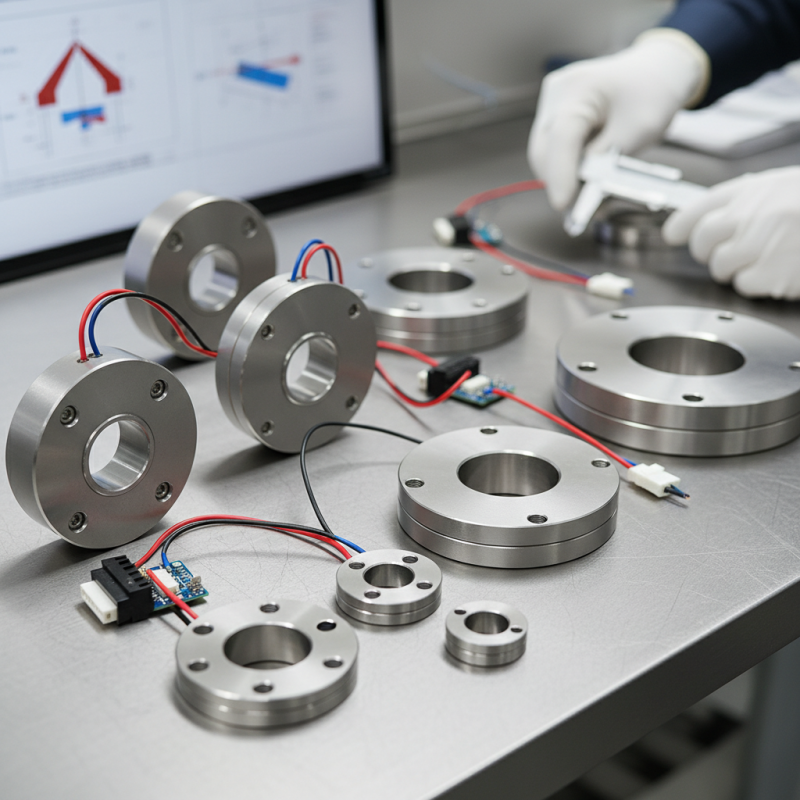
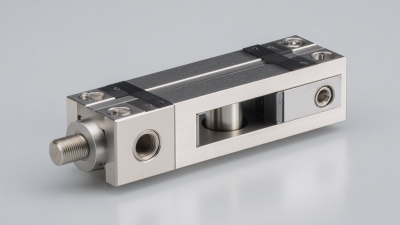
Hollow load cells are instrumental in measuring force, weight, and pressure in various industries. They have a unique structure that allows them to handle high loads with precision. These devices are often used in applications like weighbridges, materials testing, and industrial automation. Understanding these basics helps in selecting the ideal load cell for your needs.
When choosing a hollow load cell, consider the environment. Temperature variations and humidity can affect performance. Selecting a cell that can operate under specific conditions is crucial. Moreover, pay attention to the load capacity. Ensuring it meets your operational requirements is vital. An undersized load cell may lead to inaccuracies or damage over time.
Installation can also impact functionality. Misalignment during installation may cause errors in measurements. It's important to ensure proper alignment and calibration. Regular maintenance checks can prevent wear and tear. This commitment to upkeep enhances reliability. Ultimately, a thoughtful approach to selection and maintenance makes a notable difference in performance.
10 Essential Tips for Choosing the Right Hollow Load Cell
| Tip # | Tip Description | Application Area | Load Capacity | Recommended Sensitivity |
|---|---|---|---|---|
| 1 | Determine the required load capacity | Industrial Weighing | Up to 200 tons | 0.5 mV/V |
| 2 | Consider environmental conditions | Outdoor Applications | 50 tons | 1 mV/V |
| 3 | Evaluate the accuracy requirements | Precision Weighing | 10 tons | 0.2 mV/V |
| 4 | Check for compliance with standards | Food & Beverage | 5 tons | 0.5 mV/V |
| 5 | Assess installation space | Manufacturing | 20 tons | 0.3 mV/V |
| 6 | Review the construction materials | Heavy Machinery | 100 tons | 1.0 mV/V |
| 7 | Check the manufacturer's reputation | Testing Facilities | 1 ton | 0.1 mV/V |
| 8 | Consider the electrical configuration | Aerospace Testing | 2 tons | 0.4 mV/V |
| 9 | Evaluate temperature compensation | Load Testing | 25 tons | 0.6 mV/V |
| 10 | Inquire about support and warranty | Research Labs | 3 tons | 0.2 mV/V |
Key Factors to Consider When Selecting a Hollow Load Cell
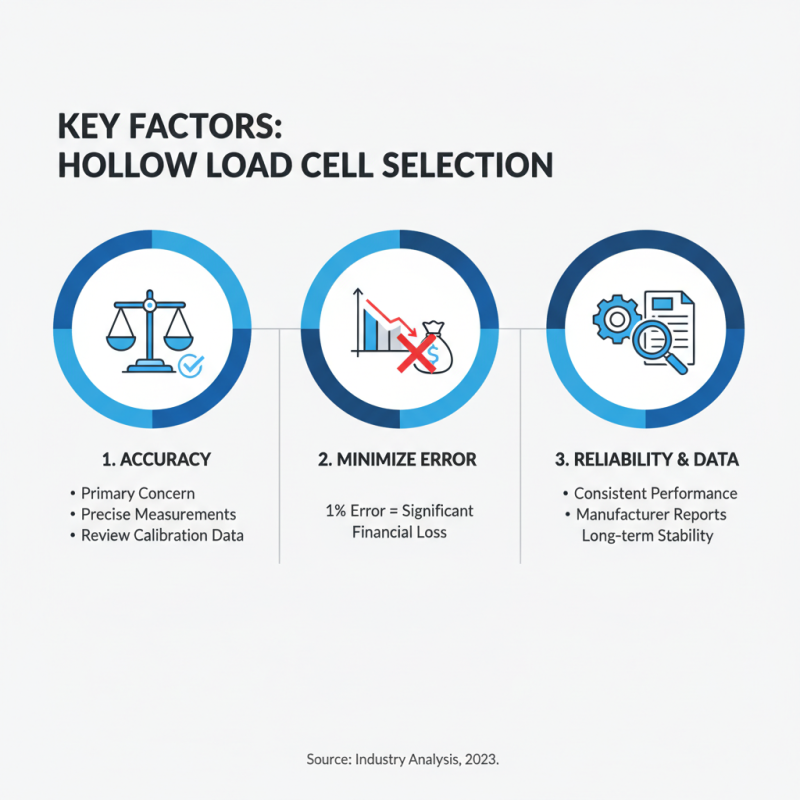
When selecting a hollow load cell, consider several critical factors. Accuracy stands out as a primary concern. Ensure the load cell provides precise measurements. Reports indicate that even a 1% error can lead to significant financial losses in industrial applications. Therefore, reviewing manufacturer calibration data is vital.
Another key aspect is the load capacity. Different applications require different weight limits. For example, aerospace testing may demand cells that handle thousands of pounds. Look for load cells rated for at least 20% more than expected loads. This buffer can prevent failures in high-stress situations.
Environmental influences cannot be ignored. Temperature changes, humidity, and potential exposure to chemicals can affect performance. According to the Journal of Sensors, 25% of load cell failures are due to environmental factors. Therefore, opt for load cells designed for specific conditions. They should have robust seals or coatings for added protection. Always check industry standards to gauge reliability and longevity.
Importance of Load Cell Accuracy and Sensitivity in Measurements
When selecting a hollow load cell, understanding its accuracy and sensitivity is paramount. Load cells translate force into electrical signals. A high level of accuracy ensures that measurements closely reflect the true force applied. Sensitivity, on the other hand, defines how small a change in load can be detected. In practical applications, a sensitive load cell can discern minute variations essential for precise measurement.
Poor accuracy can lead to significant errors in data interpretation. Imagine a scenario where you measure weights with a faulty load cell. Even small discrepancies can accumulate, ultimately skewing results and affecting overall quality. Sensitivity plays a crucial role here; without it, fine distinctions could be overlooked. Regular calibration checks become indispensable for maintaining reliable accuracy and sensitivity.
Investing time in understanding these attributes pays off in the long run. While it may require additional effort to analyze options, the benefits of accurate and sensitive measurements are clear. Focus on specifications, and conduct thorough testing to ensure the load cell meets your needs. Recognizing the importance of precision can elevate your measurement systems, fostering trust in your results.
Evaluating Material Compatibility for Your Hollow Load Cell
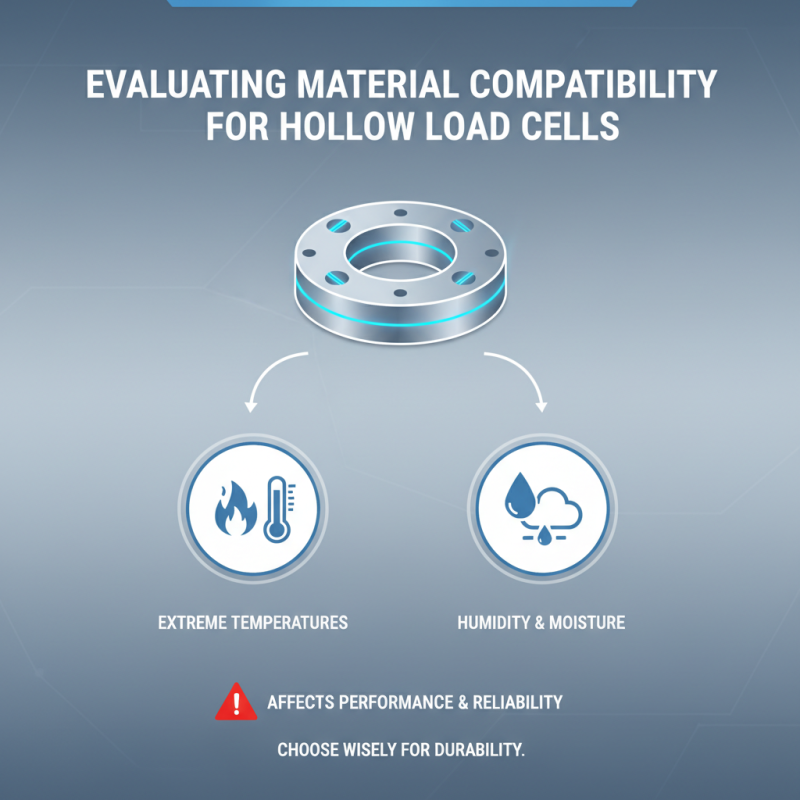
When choosing a hollow load cell, material compatibility is a critical factor. You need to consider the environment in which the load cell will operate. Will it face extreme temperatures or humidity? These conditions can affect the performance of the load cell.
Selecting the right materials is essential for durability. For example, stainless steel is often preferred for its corrosion resistance. Consider if the materials can withstand chemicals present in your application. It's important to conduct thorough tests to ensure compatibility.
Tip: Always examine the manufacturer’s specifications. They provide valuable insights into material properties. Consult technical experts for guidance. They can help identify potential issues with material choices. A small oversight in material selection may lead to significant failures. Pay attention to these details to avoid costly mistakes.
Assessing Installation and Maintenance Needs for Hollow Load Cells
When it comes to hollow load cells, assessing installation and maintenance needs is crucial. Understanding the environment where these cells will operate is vital. Will they be exposed to harsh conditions like extreme temperatures or humidity? Such factors influence not only the selection but also the longevity of the load cell. For example, employing protective enclosures could mitigate risks from dust or moisture.
Proper installation is key for accuracy and reliability. Ensure that the load cell is aligned correctly to avoid measurement errors. Misalignment can lead to unnecessary wear and tear, causing premature failures. Routine checks are essential, too. Regular maintenance helps identify potential issues before they escalate. It is essential to have a clear maintenance schedule. Neglecting this could result in costly downtime.
Training staff on best practices is often overlooked. Knowledgeable personnel can spot problems early. They can also ensure that installation and maintenance are performed correctly. Investing in training shows foresight. An often ignored aspect is documentation. Keeping detailed records of installation and maintenance can enhance future troubleshooting efforts. It helps in understanding patterns over time.
Related Posts
-
Common Issues Faced When Using Best Small Load Cells
-

How to Choose the Right Inline Load Cell for Your Needs?
-

Transforming Weighing Solutions at the 138th Canton Fair in 2025 with Pancake Load Cell Technology
-
Top 5 Micro Load Cells for Accurate Measurement in Industrial Applications
-

2025 How to Choose the Right Hollow Load Cell for Accurate Measurements
-
7 Unique Benefits of Compression Type Load Cells for Modern Industries