Motor Torque Sensor Innovations at 2026 Canton Fair Insights?
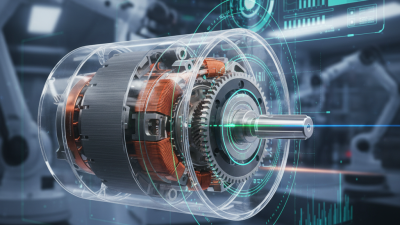
The 2026 Canton Fair will showcase cutting-edge innovations in various sectors. One notable technology is the Motor Torque Sensor. This device plays a critical role in monitoring and controlling machinery performance. As industries strive for efficiency, these sensors help optimize torque in electric motors, enhancing overall productivity.
Reports indicate a growing demand for Motor Torque Sensors in advanced manufacturing. Market data suggests an annual growth rate of around 8.5% from 2022 to 2027. This reflects the increasing reliance on automation and precision engineering. Companies are integrating these sensors to improve their product quality and reduce operational costs.
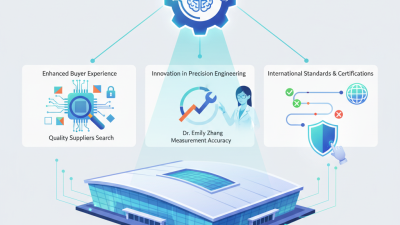
However, the introduction of AI technologies at the fair is not without challenges. While AI enhances search capabilities and navigation, some suppliers may struggle to adapt. This gap in technological readiness could impact the overall experience at the event. The future of Motor Torque Sensors in this evolving landscape remains to be fully explored.
Motor Torque Sensor Overview and Importance in Industry
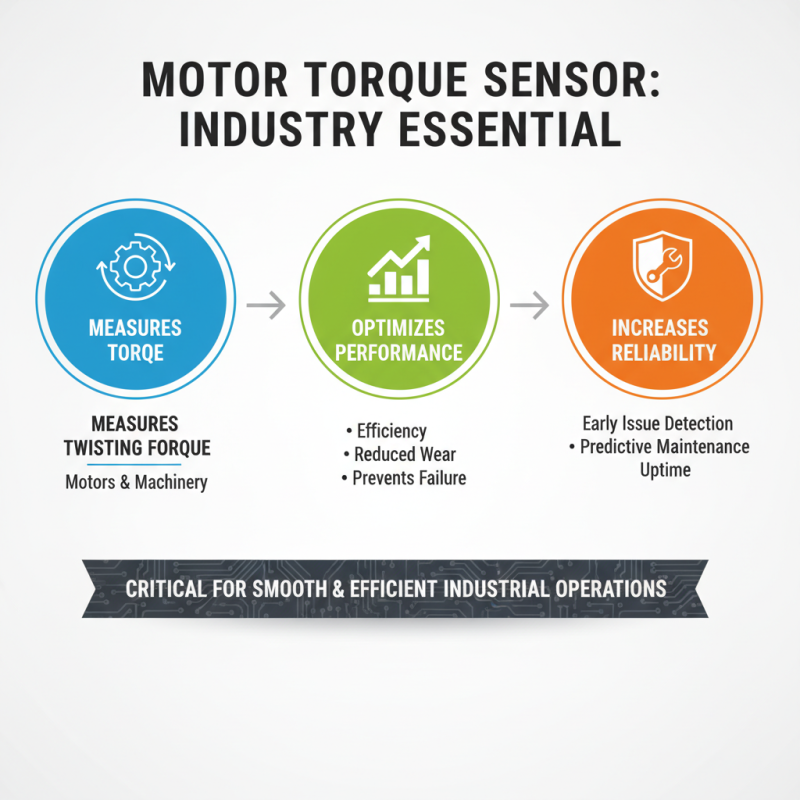
Motor torque sensors play a crucial role in various industries. They measure the twisting force generated by motors. This data helps ensure machinery operates smoothly. Accurate readings can lead to improved efficiency and reduced wear on components. Such sensors can help prevent potential mechanical failures. They highlight performance issues before they escalate.
In recent years, interest in these sensors has surged. Industries like automotive and manufacturing rely heavily on this technology. Torque sensors are integral for processes that demand precision. Their ability to deliver real-time feedback makes them invaluable. Yet, there's always room for enhancement. Current sensor technologies face challenges, such as sensitivity and calibration issues. Striving for consistency in performance is essential.
At the 2026 Canton Fair, innovations in motor torque sensors are anticipated. Visitors will look for advancements in design and functionality. Emerging trends may focus on miniaturization and wireless capabilities. As industries evolve, these sensors must adapt to new demands. However, the integration of new features can sometimes complicate their usability. Balancing sophistication with simplicity remains a challenge for developers.
Recent Innovations in Motor Torque Sensor Technology
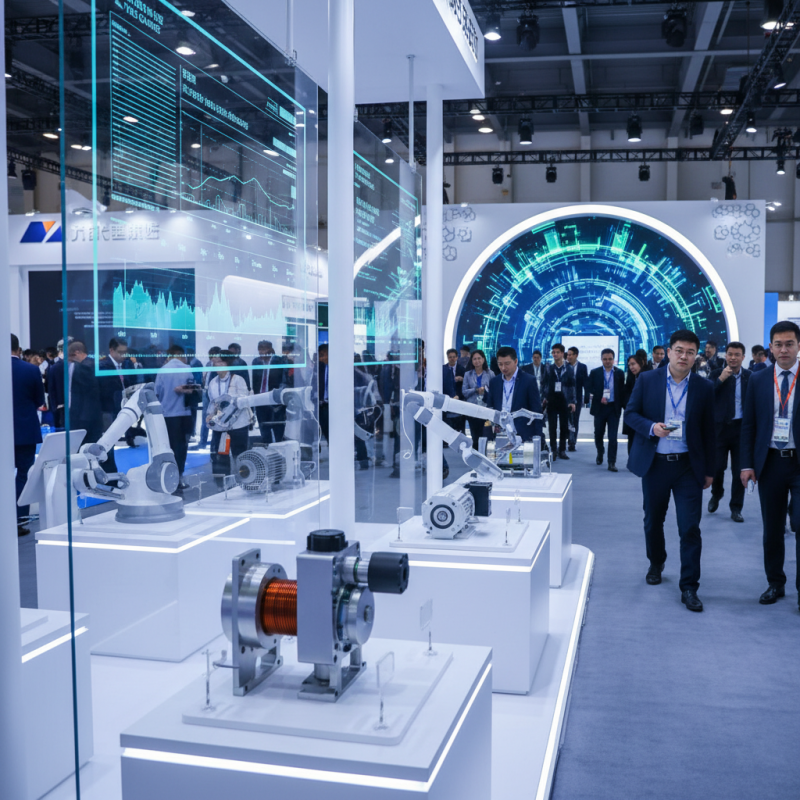
At the 2026 Canton Fair, innovations in motor torque sensor technology captured significant attention. Many exhibitors showcased advanced sensors that enhance precision in various applications. These innovations aim to improve performance in industries such as automotive and manufacturing.
One standout feature is the increased sensitivity of the new torque sensors. They can measure minute changes in torque, allowing for more accurate data collection. This enables engineers to make informed adjustments in real time. However, not all developments are flawless. Some sensors still face challenges with electromagnetic interference, which can distort readings. This highlights the ongoing need for better designs.
Another trend is the integration of wireless technology into torque sensors. This facilitates remote monitoring and reduces the need for complex wiring. While it sounds promising, implementation can be complicated. Users must consider battery life and signal reliability. Overall, while progress is visible, there remains room for enhancements in motor torque sensor technologies.
Key Exhibitors and Products Featured at the 2026 Canton Fair
The 2026 Canton Fair showcased groundbreaking innovations in motor torque sensors. This event highlighted how these sensors are crucial for various industries. Manufacturers displayed advanced designs and smart technologies. Features included increased accuracy and real-time data monitoring, which attracted significant interest.
Key exhibitors introduced exciting product lines that push the boundaries of traditional sensing technology. Attendees were captivated by sensors that could operate in extreme conditions. Some devices even offered wireless connectivity, making them highly versatile. There were discussions around improving these products, as feedback from users is essential.
While the innovations are impressive, challenges remain. Not all products were fully tested in real-world applications. Some sensors faced calibration issues that need addressing. This experience emphasizes the importance of ongoing development and refinement in technology. Such reflections can ensure future iterations meet consumer needs more effectively.
Motor Torque Sensor Innovations at 2026 Canton Fair Insights
| Exhibitor Category |
Product Name |
Key Features |
Technical Specifications |
| Industry Leader |
High Precision Torque Sensor |
High accuracy measurement, compact design |
Range: 0-300 Nm, Output: 4-20 mA |
| Innovative Tech |
Wireless Torque Measurement System |
Bluetooth connectivity, real-time data transmission |
Battery life: up to 24 hours, Range: -50 to 500 Nm |
| Emerging Startup |
Smart Torque Sensor |
AI-driven analytics, lightweight materials |
Max torque: 100 Nm, Weight: 500g |
| Global Supplier |
Digital Torque Sensor |
LCD display, easy calibration |
Resolution: 0.1 Nm, Calibration range: 0-200 Nm |
Impacts of Torque Sensor Advancements on Manufacturing Efficiency
The advancements in motor torque sensors highlighted at the 2026 Canton Fair present significant opportunities for manufacturers. These innovations focus on enhancing precision and responsiveness. With better torque measurement, machines operate more efficiently. This can lead to improved product quality and reduced waste in manufacturing processes.
Many businesses face challenges in fully integrating these new technologies. Not all manufacturers have the resources to adopt the latest tools. Training staff on these innovations can also be a hurdle. Some may struggle with understanding the data produced by torque sensors. Therefore, the implementation of these technologies often requires careful planning and consideration.
The potential benefits are clear. Increased efficiency can result in lower production costs. However, manufacturers need to reflect on their readiness for such advancements. Are the benefits worth the investment? The success of integrating torque sensors may depend on each company's unique circumstances. Continuous evaluation will be key to maximizing the impact of these innovations.
Future Trends in Motor Torque Sensors Post-2026 Canton Fair
The 2026 Canton Fair showcased remarkable advancements in motor torque sensors. Innovations included improved sensor accuracy and real-time data processing. This evolution promises significant benefits for industries reliant on motor performance monitoring.
Future trends point towards integration of AI in torque sensors. Companies are exploring machine learning algorithms for predictive maintenance. This could reduce downtime and enhance efficiency in operations. We might see more smart sensors that communicate across platforms, enabling better systems management.
Tips: Considering the rapid advancement, companies should evaluate their current systems. Are they ready for these upgrades? Small adjustments now could lead to big savings later.
Moreover, the shift towards sustainable energy is likely to influence sensor designs. Lightweight materials and energy-efficient technologies will become essential. However, as we embrace these innovations, potential challenges may arise. Companies must weigh costs against benefits carefully.

 sales@loadcellsensor.com