What is a Rotary Torque Meter and How Does It Work?
A Rotary Torque Meter is an essential instrument in various industries, measuring torque in rotating systems. Understanding its function can enhance efficiency and precision. This device plays a critical role in mechanical engineering and manufacturing.
Many professionals rely on the Rotary Torque Meter for accurate data. It helps in assessing the performance of engines, gears, and other mechanical components. However, not all users grasp its full potential. Some may overlook the importance of regular calibration for reliable results.
Challenges can arise when interpreting readings. Misunderstandings about torque values can lead to operational issues. Thus, knowledge of how a Rotary Torque Meter operates is vital. By embracing best practices, users can significantly improve their results. A closer look reveals both the benefits and pitfalls of relying on this technology in real-world applications.
What is a Rotary Torque Meter?
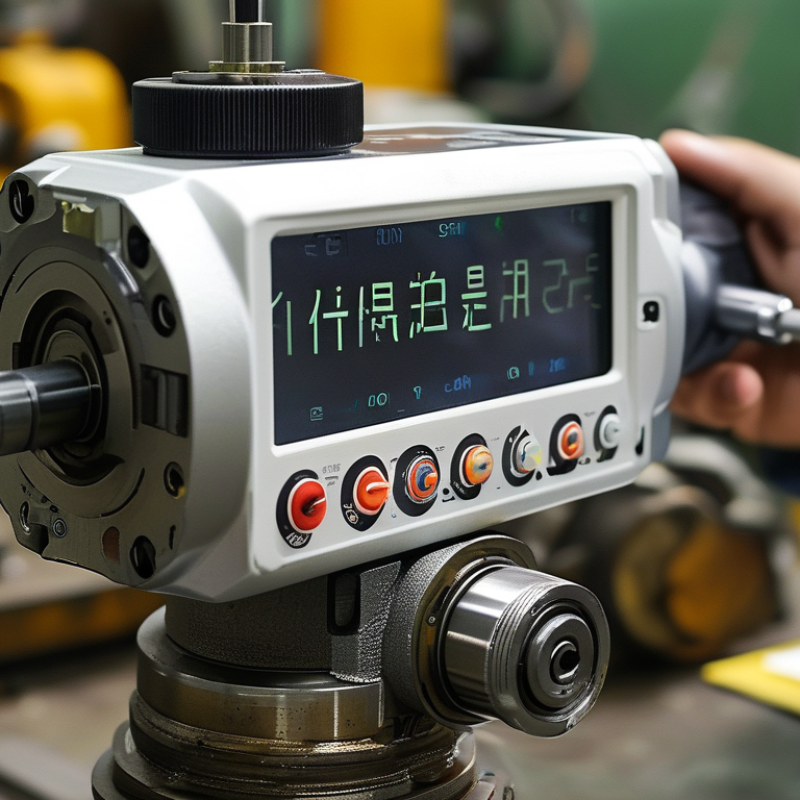
A rotary torque meter is a specialized instrument used to measure torque in rotating machinery. These meters play a crucial role in various industries, such as automotive and aerospace. They allow engineers to monitor the performance of motors, shafts, and gear systems. By gathering real-time data, these devices ensure optimal performance and safety in operations.
The core function of a rotary torque meter hinges on its ability to capture rotational force. It typically includes sensors that convert mechanical rotation into electrical signals. This process provides accurate readings that can be analyzed for performance assessment. In practical terms, a technician may find that one type of meter is better suited for a specific application than another, which adds an extra layer of complexity.
While rotary torque meters are invaluable, they require proper calibration and regular maintenance. Without this, their reliability can diminish over time. Users might encounter discrepancies in readings that could lead to flawed conclusions. It emphasizes the importance of understanding not just how these devices work but also the potential pitfalls associated with their use.
Key Components of a Rotary Torque Meter
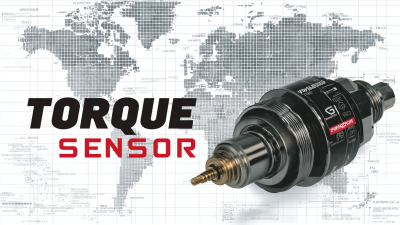
Rotary torque meters are critical in various industries, particularly in manufacturing and automotive sectors. Understanding the key components of these devices can enhance their application. The main parts include a torque transducer, display unit, and data recording devices. The torque transducer converts the physical torque into an electrical signal. High-precision strain gauges are commonly used in this transducer. Research indicates that these strain gauges can achieve accuracy levels of up to 0.1% in ideal conditions.
The display unit interprets the signal from the transducer. It presents real-time torque measurements, allowing operators to make informed decisions. In many cases, digital readout technology is employed, providing clearer and more accessible information. Additionally, some meters come equipped with data logging features. This integration of technology has made it possible to gather extensive datasets for analysis. A study found that proper data logging can increase operational efficiency by as much as 15%.
However, there are challenges in the accurate measurement of torque. Factors like temperature fluctuations and mechanical wear can affect results. It's crucial for operators to regularly calibrate their torque meters to maintain accuracy. Ignoring calibration can lead to errors, with potential impacts on product quality. Continuous improvement in monitoring practices can bridge these gaps, ensuring that devices remain reliable over time.
Rotary Torque Meter Performance Data
Principle of Operation in Measuring Torque
A rotary torque meter is essential in various industries. It measures the torque produced by rotating machinery. Understanding its principle of operation is crucial for correctly interpreting the readings.
The core function of a rotary torque meter involves two main components: the sensor and the signal processor. The sensor detects the amount of torque applied as the machinery operates. This is usually done using strain gauges that measure the deformation in the material under stress. The signal processor then converts the sensor's readings into easily interpretable torque values.
For accurate measurements, ensure the rotary torque meter is properly calibrated. Calibration directly impacts the reliability of the data it provides. Additionally, consider the working environment. Extreme temperatures or vibrations can affect performance. Regular maintenance helps address wear and tear issues that affect measurement accuracy.
Monitoring torque levels is vital for machinery efficiency and safety. Over time, analyzing torque data can reveal potential mechanical problems early. This proactive approach prevents costly breakdowns and enhances overall productivity.
Applications of Rotary Torque Meters in Various Industries
Rotary Torque Meters are vital tools across various industries such as automotive, aerospace, and manufacturing. These devices measure torque applied to an object, ensuring precision in tasks like assembly and quality control. In the automotive sector, a report from the International Journal of Automotive Technology estimates that approximately 20% of manufacturing defects stem from inadequate torque measurements. This highlights the importance of accurate tools in enhancing product reliability.
In aerospace, rotary torque meters play a crucial role in maintaining safety standards. The FAA emphasizes that precise torque application is essential for the integrity of aircraft components. Reports indicate that up to 30% of maintenance-related incidents can be traced back to incorrect torque settings. Continual monitoring of these metrics can significantly improve overall safety and efficiency.
Tips for effective usage include regularly calibrating the torque meter for optimal accuracy. Ensure that operators are trained to interpret readings correctly. Familiarity with the tool can reduce errors. Misuse or improper reading may lead to costly mistakes. It's essential to reflect on the operational processes regularly to identify potential areas for improvement in torque management.
Benefits of Using Rotary Torque Meters for Measurement
Rotary torque meters are instrumental in measuring the torque of rotating machinery. They provide accurate readings that ensure machinery operates within safe limits. Using rotary torque meters brings several benefits to any measurement process. For instance, they help prevent equipment damage by monitoring the load on a machine. This prevents issues that could lead to costly repairs.
Another significant benefit is their role in enhancing product quality. Accurate torque measurements ensure that components fit together correctly. This reduces the risk of failures in mechanical assemblies. Reliability in measurements contributes to quality assurance in production lines.
When using rotary torque meters, calibration is essential for accurate readings. Regular checks maintain their precision. Operators should also be trained in using these meters effectively. Understanding the nuances of these tools can lead to better outcomes. A detailed approach to maintenance can prolong their lifespan. Regular inspections and adjustments are crucial for optimal performance.

 sales@loadcellsensor.com