How to Select the Best Rotary Torque Sensor for Your Needs?
Selecting the right Rotary Torque Sensor is vital for accurate measurements in various applications. According to a recent report by TechInsights, the demand for high-precision sensors is growing at a rate of 10% annually. This trend underscores the importance of understanding what to look for when choosing a sensor.
Dr. Michael Ross, a leading expert in sensor technology, states, "The right torque sensor can drastically improve the efficiency of your systems." This highlights the crucial role of Rotary Torque Sensors in enhancing operational reliability. Many companies miss key features, ultimately compromising data accuracy.
Consider your specific needs in torque measurement and environmental conditions. Not all sensors are created equal, and the wrong choice can lead to inconsistent results. While specifications like range and sensitivity are important, user experience and support should not be overlooked. Reflecting on the future, innovations continue to emerge, making it essential to stay informed and reassess your equipment regularly.

Understanding Rotary Torque Sensors and Their Applications
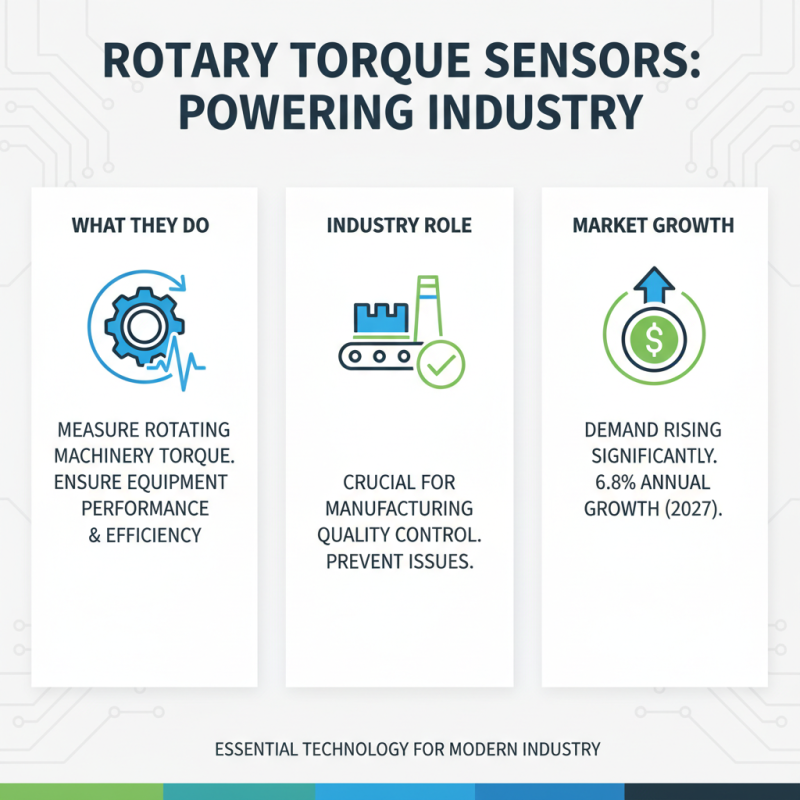
Rotary torque sensors play a crucial role in various industries, measuring the torque applied by rotating machinery. These sensors are essential for ensuring the performance and efficiency of equipment. In manufacturing environments, they help maintain quality control, preventing issues before they arise. According to industry reports, the demand for torque sensors is expected to rise significantly, with a projected growth rate of 6.8% annually through 2027.
Applications of rotary torque sensors span several areas, including automotive testing, robotics, and aerospace. For example, in automotive testing, these sensors gauge engine performance and provide critical data for design improvements. In aerospace, they ensure the integrity of components under stress, safeguarding safety standards. Understanding the exact specifications needed for your application is vital. Often overlooked, the sensor's range, precision, and environmental durability significantly impact performance outcomes.
Selecting a rotary torque sensor requires thoughtful consideration of these factors. Differences in construction and sensing technology can affect reliability. Moreover, the operating environment plays a crucial role; sensors must withstand vibration, temperature extremes, and moisture. Inadequate attention to these details can lead to inaccurate readings and costly failures. Hence, understanding both your specific needs and the sensor’s specifications is essential for successful integration.
Key Specifications to Consider When Choosing a Torque Sensor
When selecting a rotary torque sensor, there are key specifications to keep in mind. Precision is essential; the sensor should accurately measure torque under various conditions. This ensures reliable data for your applications. Pay attention to the sensor's range as well. A wider range means it can handle more diverse tasks. Your specific needs will determine the optimal range.
Another crucial aspect is the installation process. Some sensors require
complex setups, while others are
user-friendly. Ease of installation can save time and reduce costs. Additionally, consider the sensor's compatibility with your existing systems.
Interfacing issues can lead to data discrepancies. Look for sensors with versatile communication protocols.
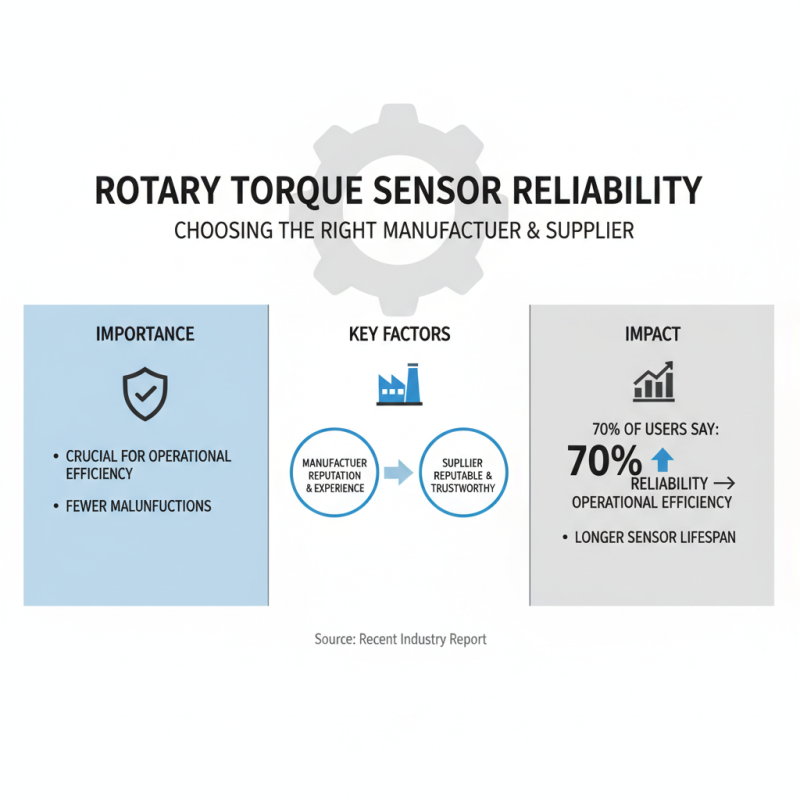
Durability is often overlooked but vital. High-quality materials impact the sensor's lifespan and performance. Ensure the sensor can withstand the conditions of your work environment. Lastly, evaluate the manufacturer’s support and warranty. A solid warranty reflects confidence in the product. Choose wisely; the right sensor is an
investment in your project's success. Remember, no product is perfect. Continuous evaluation and feedback can help refine your choices.
Evaluating Measurement Accuracy and Range for Your Needs
When selecting a rotary torque sensor, measurement accuracy is crucial. High accuracy ensures reliable data, which is essential for precise applications. Look for sensors with low percentage errors and high sensitivity. These features directly impact how effectively torque measurements can be analyzed and utilized.
Range is equally important. A good sensor should accommodate both low and high torque levels. If the range is too narrow, it may lead to inaccuracies. Consider your specific application needs. Identifying maximum and minimum torque values helps in choosing the right sensor.
However, selecting the best sensor isn’t straightforward. Different tasks may require varying levels of precision. Sometimes, overly accurate sensors can be costly and unnecessary. Balancing your budget with project needs can be challenging. Take time to evaluate what specific measurements are essential for your operations.
How to Select the Best Rotary Torque Sensor for Your Needs? - Evaluating Measurement Accuracy and Range for Your Needs
| Parameter |
Value |
Importance |
| Measurement Accuracy |
±0.5% |
High |
| Measurement Range |
0-200 Nm |
Medium |
| Output Signal Type |
Analog (0-10 V) |
High |
| Response Time |
5 ms |
Medium |
| Temperature Range |
-10°C to 70°C |
High |
| Dimensions |
100 x 50 x 30 mm |
Medium |
| Weight |
1.2 kg |
Low |
| Calibration |
Factory Certified |
High |
Comparing Different Types of Rotary Torque Sensors Available
When selecting a rotary torque sensor, understanding the different types is crucial. Rotary torque sensors are primarily classified into two categories: contact and non-contact sensors. Each type serves a unique purpose based on the application and environment. For instance, contact sensors provide direct measurements and are often used in mechanical testing. A recent industry report indicated that contact sensors dominate 75% of the torque measurement market. Their reliability and precision make them suitable for various industrial applications.
On the other hand, non-contact torque sensors have gained popularity, especially in high-speed environments. They provide quick measurements without the need for physical contact, reducing wear and tear. This type often uses magnetic or optical technologies. According to data from the Society of Automotive Engineers, non-contact sensors are projected to grow by 30% annually, driven by advancements in automotive and aerospace industries.
Choosing the right sensor involves considering factors such as application specifics, required accuracy, and environmental conditions. While contact sensors excel in precision, they can be limited in harsh conditions. Non-contact sensors, while innovative, often present challenges in integration. Balancing these trade-offs is essential in ensuring the right sensor is selected for optimal performance in your specific setting.

 sales@loadcellsensor.com