Top 10 Force Measurement Sensors in China for Global Buyers?
In the rapidly evolving field of force measurement sensors, understanding innovative technologies is crucial. Dr. Wei Chen, a leading expert in sensor technology, emphasizes, “Precision in force measurement can drive advancements in multiple industries.” This quote reflects the importance of selecting high-quality sensors that provide accurate measurements for various applications.
China has emerged as a significant player in the global market for force measurement sensors. These devices are essential in sectors like manufacturing, aerospace, and automotive. The demand for reliable force measurement sensors is high. Each application requires sensors that can withstand different environments and conditions. The reliability of these sensors often impacts the entire production line or system.
Despite the advancements, some challenges remain. For instance, ensuring consistency in production quality is vital. Companies must continuously innovate to meet diverse market needs. As global buyers, understanding the top 10 force measurement sensors in China can inform better purchasing decisions. This knowledge bridges the gap between technology and application, enabling industries to thrive.
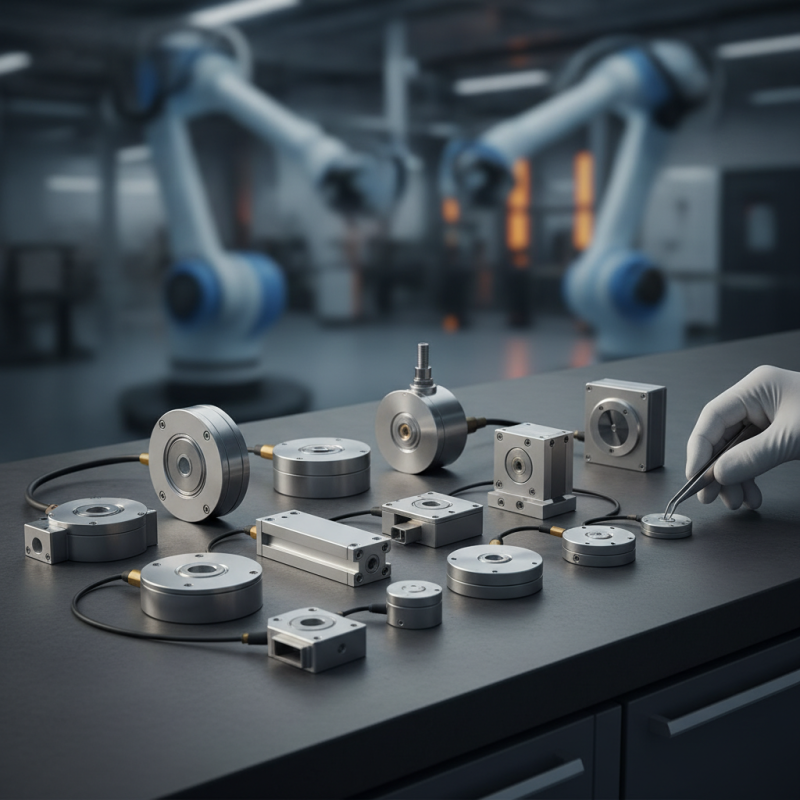
Top 10 Force Measurement Sensors in China: An Overview of Market Trends
The demand for force measurement sensors in China is on the rise, driven by various industries. An increase in automation has played a crucial role in this trend. Manufacturers are focusing on creating more accurate and durable sensors. As the market grows, new technologies emerge, aiming for enhanced precision and reliability.
Market dynamics suggest a shift towards smart sensors. These devices not only measure force but also provide data analytics. This capability appeals to industries like automotive and aerospace. However, challenges remain in ensuring interoperability among different systems. The cost of high-quality sensors can also be a barrier for smaller companies.
Quality assurance is essential. Manufacturers must adhere to stringent standards. Compliance with international regulations boosts credibility. Buyers are increasingly looking for transparent sourcing and manufacturing processes. To thrive, companies need to build trust and reliability in their products. Investing in research and development could pave the way for innovations in this sector.
Top 10 Force Measurement Sensors in China for Global Buyers
| Sensor Type |
Measurement Range |
Accuracy |
Response Time |
Application Area |
| Strain Gauge Sensors |
0 - 2000 N |
±0.1% |
<10 ms |
Industrial Testing |
| Load Cells |
0 - 5000 kg |
±0.5% |
<5 ms |
Material Testing |
| Piezoelectric Sensors |
0 - 1000 N |
±1% |
<1 ms |
Vibration Analysis |
| Hydraulic Force Sensors |
0 - 10000 N |
±0.2% |
<10 ms |
Construction Equipment |
| Capacitive Force Sensors |
0 - 500 N |
±0.3% |
<2 ms |
Robotics |
| Tension Sensors |
0 - 3000 N |
±0.4% |
<3 ms |
Manufacturing |
| High-Precision Sensors |
0 - 100 N |
±0.01% |
<1 ms |
Research & Development |
| Digital Force Gauges |
0 - 500 N |
±0.5% |
<10 ms |
Testing & Inspection |
| Dynamic Force Sensors |
0 - 1500 N |
±0.2% |
<1 ms |
Automotive Testing |
| Analog Force Sensors |
0 - 1000 N |
±0.3% |
<15 ms |
Consumer Products |
Key Types of Force Measurement Sensors Used by Global Buyers in China
Force measurement sensors are essential in various industries across China. Global buyers should understand the key types of sensors available. These devices measure applied forces, ensuring efficiency and safety in applications.
Load cells are a prevalent choice. They convert force into electrical signals. Tension and compression load cells cater to specific applications. Strain gauges are another type. They are sensitive and versatile, offering precise measurements. Piezoelectric sensors also hold significance. They provide fast responses, making them ideal for dynamic measurements.
Tips: Always consider calibration. A well-calibrated sensor guarantees accuracy. Examine sensor specifications carefully to ensure compatibility. Not all sensors suit every application. Understand the environmental conditions as well. Sensors may not perform well in extreme temperatures or humidity.
Reflect on your specific needs. Sometimes, a more complex sensor isn't necessary. Simple solutions can provide adequate performance. Explore various options before making a decision. Consultation with experts can yield valuable insights.
Impact of Technology Advancements on Force Measurement Sensor Performance
The advancement of technology has significantly influenced the performance of force measurement sensors in various industries. Recent industry reports indicate a 15% annual growth rate in sensor accuracy, propelled by innovations in material science and data processing. These sensors now boast enhanced sensitivity, enabling them to detect even minute force changes. Increased digital integration has allowed for improved real-time monitoring.
Moreover, the introduction of MEMS (Micro-Electro-Mechanical Systems) technology has led to smaller, more efficient sensors. This has resulted in a dramatic reduction in energy consumption, with some devices using up to 30% less energy than their predecessors. Greater mobility and functionality have also become possible, enabling deployment in previously inaccessible environments.
While these advancements are promising, challenges remain. The integration of new technologies can sometimes lead to higher costs, which may not be viable for all users. Additionally, maintaining calibration and reliability in extreme conditions continues to be an area of concern. Continuous research is necessary to address these issues and ensure long-term performance and trust in force measurement sensors.
Market Share Analysis of Leading Force Measurement Sensor Manufacturers in China
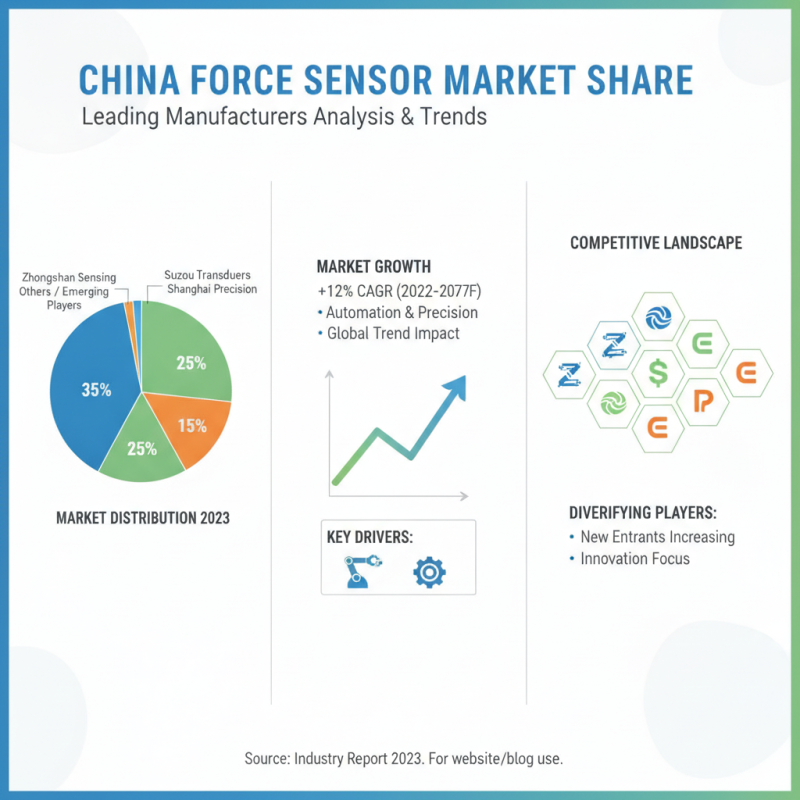
The force measurement sensor market in China shows significant growth. This surge reflects a global trend, driven by increased automation and precision demands. Many manufacturers are entering the field, adding complexity to the dynamics. Each player contributes uniquely to the market share.
Data suggests that a few companies dominate. Their innovative designs and technology set industry standards. However, smaller companies innovate too. They bring fresh ideas and niche solutions. This competition fosters diversity but can create confusion for buyers. Selecting the right sensor becomes critical.
While larger firms boast established reputations, smaller brands often excel in customer service. This can influence buyer decisions. The market's fragmented nature means knowledge is key. Buyers must weigh specifications, performance, and service options carefully. Understanding these factors can help buyers navigate choices in this evolving market.
Future Projections for Force Measurement Sensor Demand in Global Markets
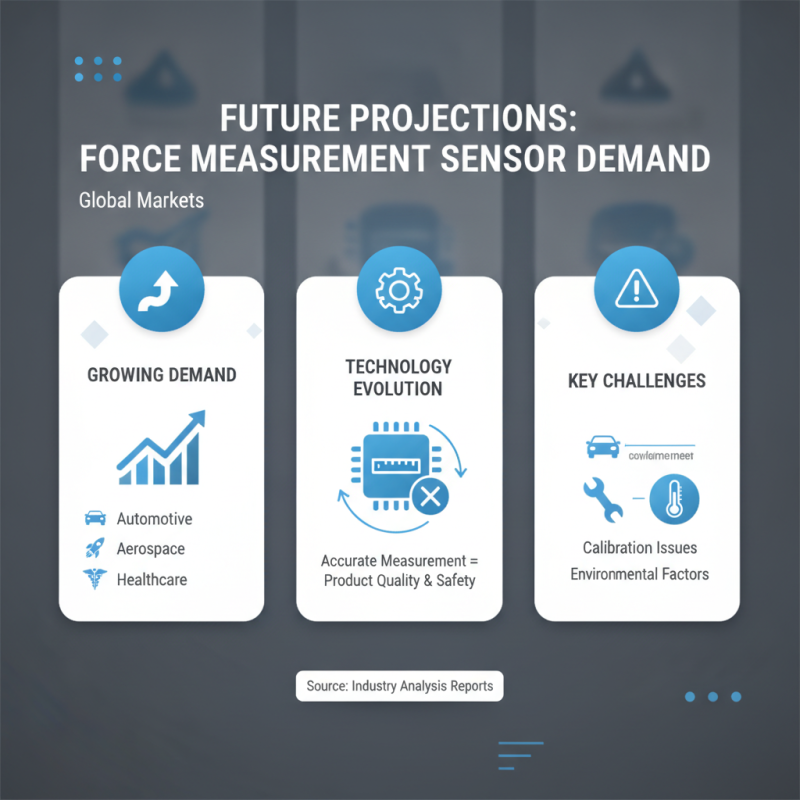
The global demand for force measurement sensors is on the rise. This trend is driven by various industries, including automotive, aerospace, and healthcare. As technology evolves, the need for accurate force measurements becomes crucial. These sensors are vital for ensuring product quality and safety. However, challenges like calibration issues and environmental factors can impact their effectiveness.
In China, manufacturers are focusing on innovation. New materials and technologies enhance sensor performance. The integration of IoT and AI in these devices opens up new possibilities. Yet, the market faces obstacles. Some companies struggle with maintaining consistent quality control. Manufacturers must address these issues to capture global market opportunities. The future will depend on collaboration and advancements in sensor technology. Balancing performance and reliability will be key for success.

 sales@loadcellsensor.com