Top 10 Rotary Torque Sensors for Global Buyers in 2026?
In the ever-evolving landscape of engineering, the role of the Rotary Torque Sensor has become increasingly significant. Experts like Dr. Alan Kingsley, a renowned authority in mechanical engineering, emphasize, "Precision in measurement is key to advancing our technology." This statement resonates deeply as industries seek reliable solutions for torque measurement.
Rotary Torque Sensors are pivotal in applications ranging from automotive to aerospace. Their ability to deliver accurate torque readings ensures optimal performance and safety. As we look forward to 2026, the demand for high-quality sensors continues to rise, driven by advancements in technology. Companies worldwide are striving to enhance their products by integrating these essential components.
However, the market isn't without its challenges. Many products lack the necessary durability or precision. Buyers must navigate this complex landscape carefully. Choosing the right Rotary Torque Sensor can make or break their projects. In this article, we will explore the top 10 Rotary Torque Sensors for global buyers, highlighting features, benefits, and considerations for informed decisions.
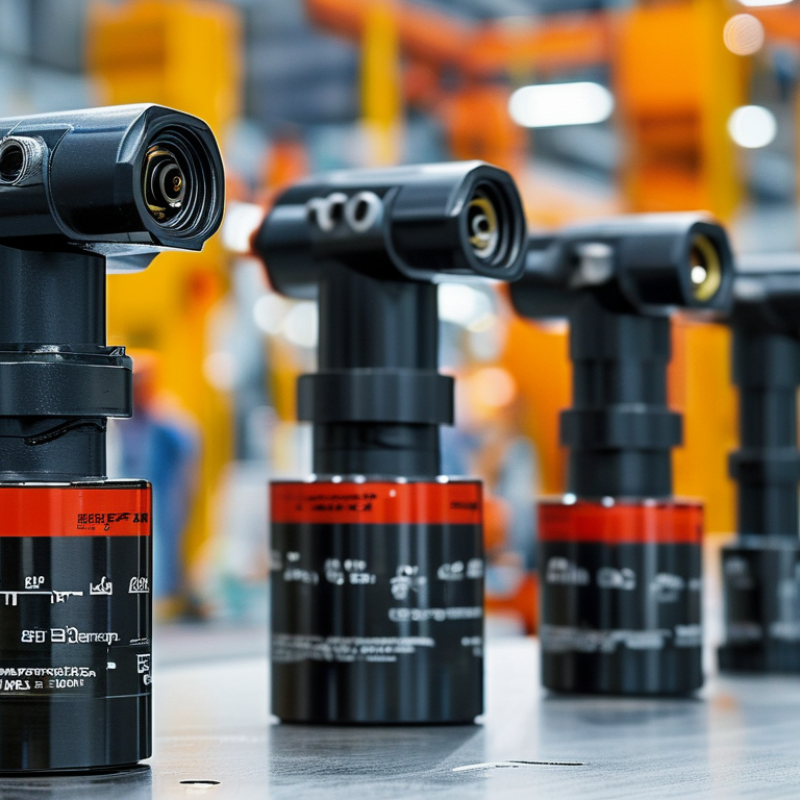
Overview of Rotary Torque Sensors and Their Importance in 2026
Rotary torque sensors are crucial for various industries, including automotive and aerospace. In 2026, the demand for these sensors is expected to surge due to increased automation. Recent reports indicate that the global rotary torque sensor market is projected to reach USD 1.2 billion by 2026, growing at a CAGR of 6.5% from 2021. This growth reflects the rise in precision measurement needs.
These sensors measure the torque generated by rotating objects. Their role is significant in testing and monitoring equipment performance. They ensure systems operate within desired parameters, preventing costly failures. In the automotive sector, for instance, they help in evaluating engine performance, contributing to fuel efficiency. In fact, torque sensors can enhance process optimization by up to 15%, demonstrating their importance in manufacturing.
Despite their benefits, there are challenges. Some sensors can be expensive, limiting their usage in smaller operations. Calibration issues can also arise, affecting accuracy. Moreover, without proper integration into existing systems, the data collected may not be utilized effectively. This signals a need for better education and training in sensor technologies and applications. Understanding these challenges is essential for maximizing the potential of rotary torque sensors in various industries.
Top 10 Rotary Torque Sensors in 2026
This chart illustrates the market share of the top 10 rotary torque sensors based on torque measurement range (Nm) for the year 2026. The data reflects the importance of various torque sensor capabilities in various applications.
Key Features to Consider When Selecting Rotary Torque Sensors
When choosing a rotary torque sensor, various features are crucial for optimal performance. Start with measurement range. Sensors should cover the torque levels specific to your application. A sensor that cannot handle expected torque will underperform. Look for devices with a broad range to enhance flexibility across different tasks.
Accuracy is another essential factor. Understand the sensor's precision rating, often expressed as a percentage. Ensure it suits your precision requirements. Some sensors may be accurate only within a narrow range. Low accuracy can lead to costly errors over time.
Additionally, consider the output type. Sensors provide analog, digital, or wireless outputs. The choice depends on your system and integration needs. Some advanced sensors may have features like data logging. This can help with real-time monitoring and analysis.
Lastly, think about environmental factors. Will the sensor be exposed to extreme temperatures or vibrations? Sensors must be robust enough to handle these conditions. Neglecting this can lead to premature failures or unreliable readings over time.
Top 10 Rotary Torque Sensors with Specifications and Applications
When selecting rotary torque sensors, performance specifications play a crucial role. These sensors measure torque in various applications, including automotive, aerospace, and industrial machinery. High accuracy and low hysteresis are essential features to consider. Some sensors provide real-time data output, allowing for immediate adjustments in systems. This responsiveness is valuable in high-speed applications.
Tips: Assess your specific needs before purchasing. Different applications require different features. For example, a sensor that works well in a lab might not be suitable for a heavy-duty machine. Additionally, consider the sensor's durability and resistance to environmental factors, such as temperature and humidity.
Another key point is the integration capability. A sensor must easily integrate with existing systems. Communication interfaces, like CAN or RS-232, can greatly affect usability. It's wise to check compatibility with your current technology stack. This can prevent potential headaches during installation.
Tips: Always research installation requirements. Poor installation can lead to inaccurate readings. Regular maintenance is also vital for long-term performance. It's easy to overlook, but checking the sensor's calibration periodically can save time and money down the road. Understanding these nuances can deeply affect overall efficiency and reliability.
Market Trends and Innovations in Rotary Torque Sensor Technology
The rotary torque sensor market is evolving rapidly. Innovations are shaping how we measure torque across various applications. These sensors now offer higher accuracy and reliability, a necessity in today’s precision-driven industries. Advanced materials and technologies have enhanced performance.
Wireless technology is a notable trend. It reduces the need for physical connections, making installation easier. This can also minimize wear and tear. However, some challenges remain. Battery life and signal stability are concerns for many users. Manufacturers are working to improve these aspects, ensuring that sensors maintain accuracy over time.
Data analytics integration is gaining traction. Collecting torque data allows for predictive maintenance. This can improve equipment lifespan and operational efficiency. Yet, stakeholders must address data security issues. Protecting sensitive information is crucial as industries become more connected. The future of rotary torque sensors looks promising, but careful progress is needed.
Guidelines for Global Buyers: Sourcing and Supplier Selection
When sourcing rotary torque sensors, buyers must consider several critical factors. Understanding the specific application for the sensors is essential. For instance, different industries may require sensors with varying accuracy and environmental resistance. Buyers should closely evaluate the technical specifications to avoid mismatches.
Supplier selection plays a pivotal role in the sourcing process. It’s wise to consider suppliers with a proven track record. Reliability is crucial, and buyers should seek suppliers with certifications and quality assurance processes. Transparency in communication is vital. Engaging in discussions with potential suppliers can reveal their expertise and responsiveness. However, not all suppliers meet these standards.
Assessing the overall value rather than just the price is important. Some providers may offer lower costs but compromise on quality. Consider past customer reviews and testimonials. Quality assurance ultimately impacts operational efficiency. Reflect on your choices and ask critical questions about the supplier’s commitment to quality. Ensure that your selection aligns with long-term performance goals.
Top 10 Rotary Torque Sensors for Global Buyers in 2026
| Sensor Type |
Measuring Range (Nm) |
Accuracy (%) |
Output Signal |
Dimensions (mm) |
Weight (kg) |
Price Range (USD) |
| Strain Gauge |
0-200 |
±0.5 |
Analog Voltage |
50 x 50 x 30 |
0.5 |
200-300 |
| Piezoelectric |
0-1000 |
±1.0 |
Analog Voltage |
60 x 60 x 35 |
0.7 |
300-500 |
| Magnetic |
0-150 |
±0.3 |
Digital Output |
40 x 40 x 28 |
0.4 |
150-250 |
| Optical |
0-300 |
±0.2 |
Digital Output |
70 x 70 x 40 |
1.0 |
350-550 |
| Capacitive |
0-500 |
±0.5 |
Analog Voltage |
65 x 65 x 32 |
0.8 |
250-400 |
| Hall Effect |
0-50 |
±1.0 |
Analog Voltage |
30 x 30 x 25 |
0.3 |
100-200 |
| Ultrasonic |
0-600 |
±0.4 |
Digital Output |
80 x 80 x 45 |
1.2 |
400-600 |
| Digital Rotary |
0-800 |
±0.2 |
Digital Output |
90 x 90 x 55 |
1.5 |
500-750 |
| Fiber Optic |
0-1200 |
±0.1 |
Digital Output |
100 x 100 x 60 |
1.8 |
600-900 |

 sales@loadcellsensor.com