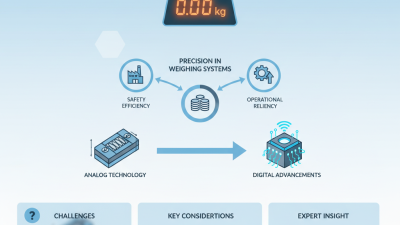
Top 10 Tension Compression Load Cells for Global Buyers?
Tension Compression Load Cells are crucial in various industries, from manufacturing to aerospace. These devices accurately measure forces applied in both tension and compression. According to recent industry reports, the demand for accurate load measuring equipment has grown by over 15% annually. This growth indicates the increasing reliance on precise force measurement in production processes and quality control.
As industries evolve, the complexity of testing requirements rises. Companies need reliable tools to ensure safety and efficiency. Tension Compression Load Cells function as an integral part of this process. They are used in applications ranging from weighing systems to structural testing. However, not all load cells perform the same. Variability in accuracy, range, and durability can lead to serious implications for manufacturing outcomes.
Selecting the right load cell can be challenging. Many buyers overlook crucial specifications, such as temperature ranges or material compatibility. Misjudgment can lead to equipment failures or compromised safety standards. Therefore, understanding the top-rated tension compression load cells is essential for global buyers. It ensures they invest in technology that meets their unique needs and industry standards.
Understanding Tension Compression Load Cells: A Brief Overview
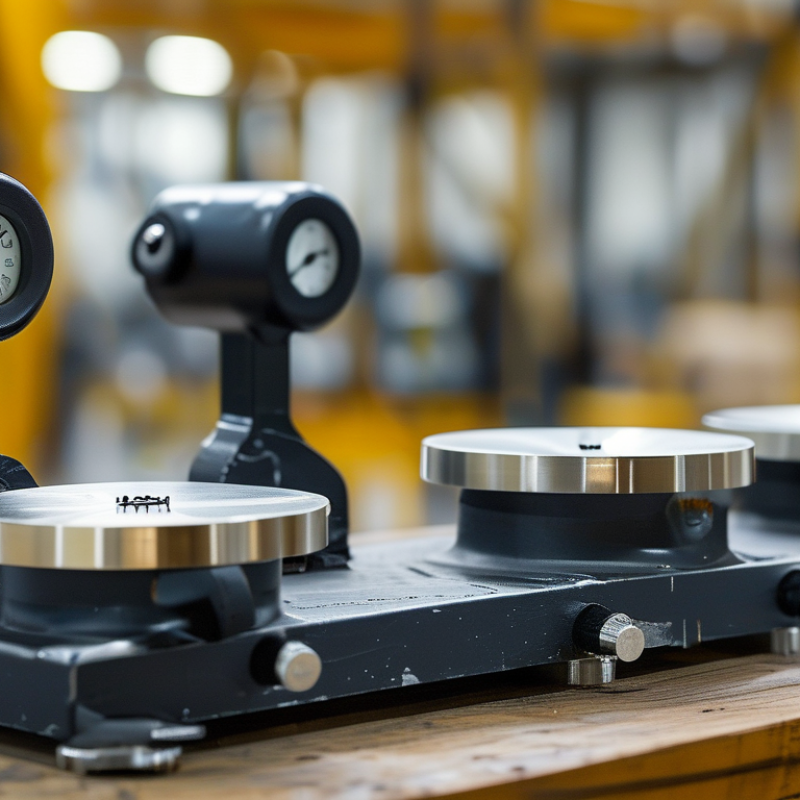
Tension compression load cells are crucial in various industries for precise force measurements. These devices are designed to handle both tension and compression forces. A reliable load cell offers accuracy, durability, and stability, making it indispensable in manufacturing, aerospace, and logistics. According to market insights, the global load cell market was valued at approximately $840 million in 2021 and is projected to grow significantly in the coming years.
Understanding the functionality of tension compression load cells is essential for users. They convert mechanical force into an electrical signal, which can be precisely measured. This functionality is vital in applications like weight measurements and force testing. A report from Research and Markets indicates the demand for advanced load cell technology is on the rise, driven by automation and smart manufacturing trends. Many industries are integrating these sensors into their systems to enhance accuracy.
However, challenges arise with load cells, such as calibration and environmental factors. Environmental conditions, like temperature and humidity, can impact performance. Users must ensure proper installation and regular maintenance to avoid discrepancies. Reports suggest that up to 15% of load cell failures are linked to improper usage. A focused understanding of these issues can improve the reliability of tension compression load cells in real-world applications.
Key Features to Consider When Selecting Load Cells for Global Applications
When selecting tension compression load cells for global applications, several key features require attention. Accuracy is crucial. A load cell must provide precise measurements under various conditions. This is especially important in industries such as manufacturing and logistics. Calibration methods can impact precision, so verify them before making a choice.
Another essential criterion is capacity. Load cells come in various weight ranges. Ensure the selected model can handle the maximum expected load. Overloading can lead to inaccuracies or damage. Longevity is also vital; a durable load cell minimizes replacement costs. Consider environmental conditions, too. Some applications occur in extreme temperatures or humidity. Choose a load cell designed to withstand such variables for reliable performance.
Lastly, communication interfaces should meet your technical requirements. Options like analog and digital outputs cater to different systems. Integrating the load cell seamlessly into your setup ensures efficiency. Keep in mind that sometimes a complex interface can lead to complications. Choose wisely to simplify your operations and minimize potential issues.
Top 10 Tension Compression Load Cells: Performance and Specifications
When selecting tension compression load cells, performance and specifications are crucial for optimal results. Load cells are essential in measuring forces accurately in various applications, such as manufacturing and research. Typically, these devices should support a wide measurement range and exhibit high accuracy. They must also be durable, designed to withstand harsh environments.
Consider the material used in construction. Stainless steel is common due to its resistance to corrosion and high strength-to-weight ratio. A load cell that can handle temperature variations improves reliability in different conditions. Be mindful of the maximum load capacity and sensitivity specifications as they play a critical role in performance.
Yet, there are challenges in choosing the right load cell. Some models may present calibration difficulties or inconsistent performance under specific conditions. Users often report confusion regarding installation and compatibility with existing systems. This highlights the need for careful assessment and expert guidance. Taking the time to evaluate options can lead to better long-term satisfaction.
Applications of Tension Compression Load Cells in Various Industries
Tension compression load cells are crucial components in various industries. They measure weight and force by converting mechanical stress into electrical signals. In manufacturing, these load cells are used to ensure accurate weighing during material handling. This minimizes waste and enhances product quality. Additionally, their application in construction allows for monitoring structural loads and stress on critical components.
In the medical field, precision matters greatly. Load cells assist in monitoring equipment and instruments, ensuring patient safety. They are also utilized in research laboratories for accurate force measurement in experiments. However, reliance on these devices requires regular calibration and maintenance. Neglecting this can lead to inaccurate readings.
In the aerospace industry, load cells play a key role in testing aircraft components. They ensure that materials can withstand rigorous conditions. The challenge lies in the environment, where fluctuations in temperature can affect performance. Understanding these nuances is essential for effective usage. Tension compression load cells present remarkable capabilities, yet they come with responsibilities that users must not overlook.
Comparative Analysis of Leading Brands in the Load Cell Market
In the load cell market, understanding the key players and their offerings is crucial for buyers. Load cells are essential components in various industries, measuring force and weight with precision. A comparative analysis reveals notable differences in technology, accuracy, and design among leading brands.
When selecting a load cell, consider the specific application it will serve. Different load cells exhibit varied sensitivities to stress and strain. This can impact their reliability. Explore both tension and compression options, as each type serves distinct functions. Look for models that offer robust materials for durability under high-stress conditions.
Pay attention to calibration methods. Some load cells require frequent calibrations for accuracy, while others maintain precision over time. This can affect maintenance costs. Furthermore, user-friendly interfaces contribute to better overall usage. Ensure the product you choose fits the operational demands of your environment. An informed decision can lead to improved measurement efficiency.

 sales@loadcellsensor.com