What is a Weight Sensor and How Does it Work?
A weight sensor is an essential device that measures the weight of an object. It's widely used in various applications, from industrial scales to fitness tracking devices. Understanding how a weight sensor operates is crucial for anyone interested in technology or engineering.
These sensors employ different technologies to function effectively. They can use strain gauges, load cells, or piezoelectric elements. Each type has its unique advantages and potential drawbacks. For example, strain gauges are sensitive and precise, but they may not perform well under extreme conditions. Conversely, load cells are robust, yet their calibration can be complex.
In today's world, weight sensors play a vital role in enhancing efficiency and accuracy. Their importance continues to grow in smart technology. However, the quality of weight sensors can vary significantly. Not all sensors are built for every application. Proper evaluation is necessary to ensure reliable measurements. Awareness of these nuances can help users make informed decisions when selecting weight sensors.
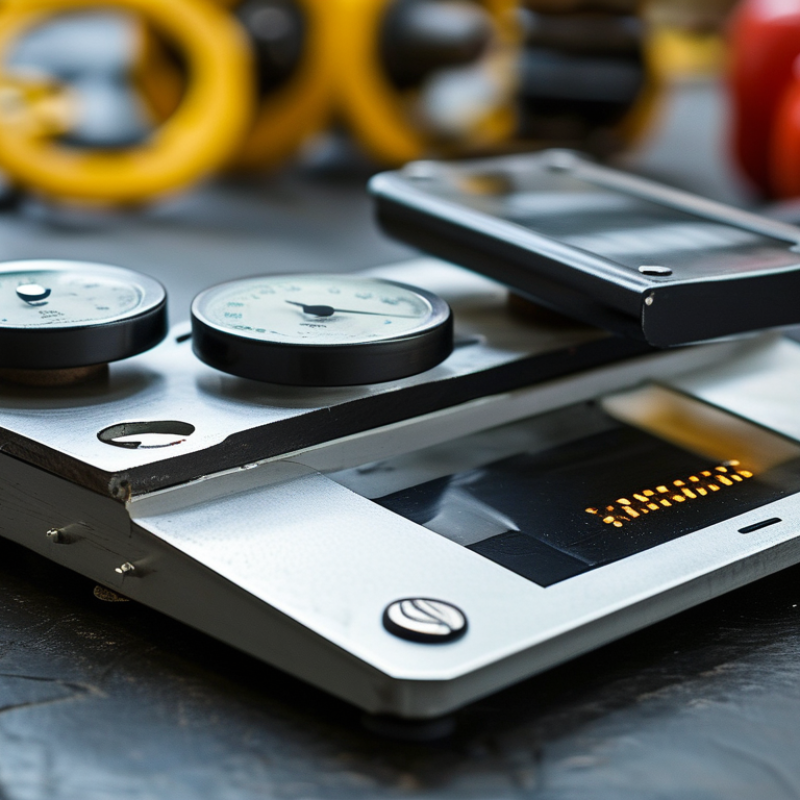
What is a Weight Sensor?
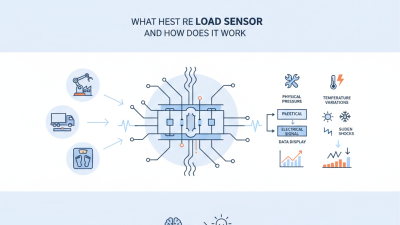
A weight sensor is a device that measures the amount of force or weight applied to it. These sensors are widely used in various applications, such as in industrial scales, medical devices, and automotive systems. They convert physical weight into an electrical signal. The most common type is the strain gauge, which changes its resistance when stretched or compressed. This change in resistance can be precisely measured and translated into weight.
These sensors often integrate into scales or balance systems. When an object is placed on the sensor, it creates a measurable deflection. For instance, if you weigh yourself, the sensor detects the force your body exerts. The vital aspect here is accuracy. Even slight misalignments or external vibrations can affect readings. Users must ensure the sensor is calibrated correctly for reliable results.
Weight sensors also come with challenges. Environmental factors like temperature can influence their precision. Regular maintenance and checks are crucial. Some sensors may drift over time, leading to errors. Being aware of these limitations is part of effective usage. Careful implementation can reduce such issues, enhancing both performance and reliability.
Types of Weight Sensors and Their Applications
Weight sensors come in various types, each designed for specific applications. Strain gauges are commonly used in industrial settings. They work by measuring the deformation of a material when a load is applied. This technology is reliable and provides real-time data. In medical fields, load cells are widely used. They help measure patients' weight accurately. Their design ensures precision, even with slight changes in weight.
Another type is capacitive weight sensors. They operate by measuring changes in capacitance due to applied weight. These sensors are often found in kitchen scales. They offer convenience for everyday use. However, their calibration can sometimes be tricky.
The demand for weight sensors is growing. Their applications range from retail to manufacturing. In logistics, weight sensors help manage inventory. In the fitness industry, they track progress effectively. While their benefits are evident, users must ensure proper handling and maintenance. Regular checks can prevent inaccuracies and prolong their lifespan. Understanding each type’s strengths and weaknesses enhances their application effectiveness.
How Do Weight Sensors Function Mechanically?
Weight sensors, also known as load cells, play an essential role in various industries. They mechanically function by converting force or weight into an electrical signal. This process typically involves the deformation of a metal material when a weight is applied. A strain gauge, attached to the material, detects this change. As weight increases, so does the deformation, leading to a measurable output. According to a report by Grand View Research, the global market for load cells is expected to reach $5.9 billion by 2025, highlighting their growing importance.
In mechanical terms, weight sensors utilize several types of load cells, such as strain gauge, hydraulic, and pneumatic. The most common is the strain gauge load cell, praised for its accuracy and reliability. Generally, these sensors exhibit a linear relationship between the load and output, making them easy to use in different applications. However, environmental factors can affect their performance. Temperature shifts or improper installation may lead to inaccurate readings. Studies have shown that regularly calibrating these devices can enhance reliability in data collection.
The challenge of ensuring durability is another consideration. Load cells must withstand various conditions, including moisture and vibration. An industry analysis revealed that nearly 30% of weight sensor failures stem from harsh environments. Choosing the right type of load cell is crucial for specific applications. Different environments require unique sensor capabilities. Thus, understanding their mechanical function is vital for optimal performance and accurate weight measurement.
Key Components Involved in Weight Sensor Technology
Weight sensors are essential components in various applications, from industrial scales to smart weighing systems. Understanding the key components that make these devices effective can enhance their performance. Typically, weight sensor technology relies on strain gauges, load cells, and electronic circuits.
Strain gauges convert mechanical stress into electrical resistance changes. This process enables accurate weight measurement. Load cells are crucial as they embody the strain gauges and respond to weight by deforming slightly. According to a recent report by the International Journal of Engineering Technologies, load cells account for over 70% of the weight sensor market due to their reliability. Electronic circuits amplify signals from the load cells for precise weight readings.
Tips: When selecting weight sensors, consider the sensor's capacity and accuracy. High precision is critical in sensitive applications. Regular calibration can help maintain accuracy over time.
As innovations progress, future weight sensors may integrate smart technology with IoT capabilities. However, selecting the right components can be challenging. Not all load cells perform equally, and variations in materials can affect durability. Researching materials is essential to avoid potential failures.
Advantages and Limitations of Using Weight Sensors
Weight sensors are pivotal in many industries due to their ability to measure mass accurately. They are widely used in applications such as logistics, healthcare, and manufacturing. However, like any technology, they come with their own set of advantages and limitations that users should consider.
One significant advantage of weight sensors is their accuracy. They provide precise readings, which can enhance operational efficiency. This accuracy is crucial in sectors like healthcare where correct dosage measurements are vital. Weight sensors also offer real-time data, allowing for immediate decision-making. However, they can be sensitive to environmental factors. Changes in temperature or humidity might affect readings. This limitation calls for regular calibration and maintenance to ensure reliability.
Another important aspect is the cost of weight sensors. While some models may be cost-effective, high precision sensors can be expensive. This cost may not always justify the benefits they provide for smaller operations. Additionally, weight sensors have limitations in extreme conditions. For instance, heavy vibrations can lead to inaccuracies. Therefore, when implementing these sensors, it’s essential to assess the environment and specific needs.

 sales@loadcellsensor.com