What is a Dynamic Torque Sensor and How is it Used?
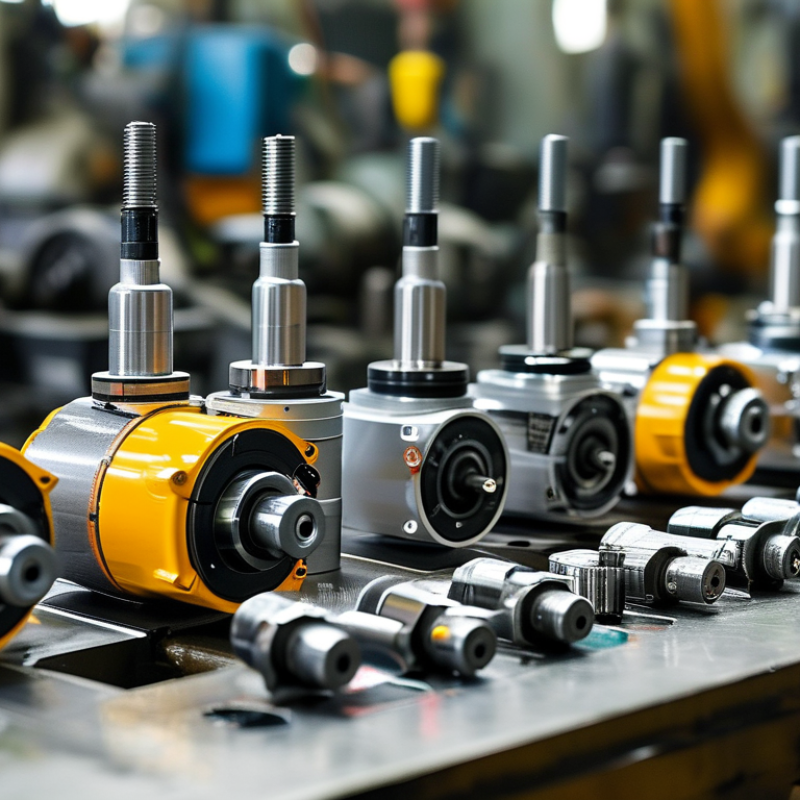
Dynamic Torque Sensors play a crucial role in various industries. These sensors measure torque in real-time, ensuring precision and safety. They provide valuable data for machinery and equipment, helping to optimize performance.
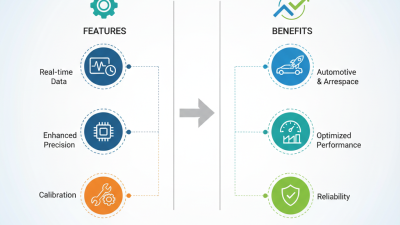
In fields like automotive and manufacturing, the benefits of using a Dynamic Torque Sensor are evident. For instance, engineers can monitor engine performance or assess the effectiveness of braking systems. This real-time feedback supports informed decisions and enhances reliability.
However, implementing these sensors can present challenges. Selecting the right sensor requires expertise and understanding of specific applications. Calibration and maintenance are vital for accurate readings. A small error may lead to significant operational issues. Thus, a thoughtful approach is necessary when integrating Dynamic Torque Sensors.
Definition and Functionality of Dynamic Torque Sensors
Dynamic torque sensors are crucial devices that measure torque in real time. They operate based on the principle of strain gauges, which detect changes in resistance as torque is applied. This allows for precise measurements of rotational forces. In many industries, including automotive and manufacturing, these sensors ensure proper applications of torque, contributing to safety and efficiency.
These sensors excel in various applications. Engineers use dynamic torque sensors during product testing. They can monitor how much torque an engine produces under different conditions. This data helps in optimizing performance. In manufacturing, these sensors verify that assembly processes meet specifications. Misalignment in torque can lead to catastrophic failures, making these sensors indispensable.
Despite their advantages, the technology is not foolproof. There can be calibration issues that affect accuracy. Additionally, environmental factors may impact performance. Regular maintenance and recalibration are necessary to ensure reliability. Engineers must stay vigilant and regularly assess the performance of these sensors. This highlights the need for continuous improvement and reflection on sensor technology.
Dynamic Torque Sensors: Application and Performance Data
This bar chart illustrates the torque measurements obtained from various testing scenarios of dynamic torque sensors, showcasing their versatility and performance under different conditions.
Principles of Operation Behind Dynamic Torque Measurement
Dynamic torque sensors play a vital role in various industries. These sensors measure the torque applied to a rotating object. Understanding their principles of operation is essential for effective implementation. They utilize strain gauge technology or magnetoresistive sensors, ensuring accurate measurements of torque in real time.
The main advantage of dynamic torque sensors lies in their ability to capture variations during operation. According to a market research report by Research and Markets, the dynamic torque measurement sensor market is projected to grow at a CAGR of 7.5% through 2028. This highlights the increasing demand across sectors like automotive and aerospace. Reliability is crucial, as inaccurate torque measurements can lead to costly failures or inefficiencies.
Dynamic torque measurement occurs through shear stress analysis and precise calibration. These methods ensure high accuracy. However, environmental factors can affect readings. Temperature fluctuations or mechanical vibrations introduce challenges. It is essential to consider these limitations when implementing dynamic torque sensors in a system for optimal performance.
Applications of Dynamic Torque Sensors in Various Industries
Dynamic torque sensors are critical in various industries. They measure torque in machinery, ensuring optimal performance and safety. These sensors find applications in automotive, aerospace, and manufacturing sectors. In automotive testing, they're used to assess engine performance. In aerospace, they help monitor thrust in jet engines.
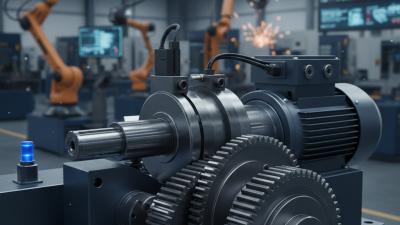
In manufacturing, dynamic torque sensors ensure quality control. They monitor assembly processes, confirming the correct torque applied on bolts and fasteners. This prevents mechanical failures and enhances product reliability. The adaptability of these sensors also allows for integration in robotic systems.
Tips: Consider sensor placement carefully. Proper installation is vital for accurate measurements. Regular calibration is equally important to maintain reliability. Be aware, however, that environmental factors can impact readings. Ensuring a stable temperature and minimal vibration during operation is necessary for precise data collection.
What is a Dynamic Torque Sensor and How is it Used? - Applications of Dynamic Torque Sensors in Various Industries
| Industry |
Application |
Type of Torque Sensor |
Measurement Range |
| Automotive |
Engine Performance Testing |
Rotary Torque Sensor |
0-500 Nm |
| Aerospace |
Gearbox Testing |
Static/Dynamic Torque Sensor |
0-1000 Nm |
| Manufacturing |
Assembly Line Torque Control |
In-Line Torque Sensor |
0-300 Nm |
| Robotics |
Joint Torque Measurement |
Wireless Torque Sensor |
0-50 Nm |
| Energy |
Wind Turbine Monitoring |
Strain Gauge Torque Sensor |
0-2000 Nm |
Benefits of Using Dynamic Torque Sensors in Engineering
Dynamic torque sensors play a crucial role in engineering. They measure torque in real-time. These sensors provide engineers with valuable data. This data optimizes performance and enhances safety. In various industries, accuracy matters. Reports show that a 5% improvement in torque measurement can lead to significant efficiency gains.
Using dynamic torque sensors reduces the risk of mechanical failure. They enable proactive maintenance. According to a study by an engineering firm, companies see a 20% reduction in downtime. Such sensors support design validation and testing. Engineers can identify design flaws early in the development phase.
The benefits extend beyond efficiency. With accurate torque readings, equipment lifespan increases. This reliability ultimately leads to cost savings. Yet, improper installation of sensors can lead to inaccurate readings. Regular calibration is essential for maintaining sensor reliability. Continuous improvement in sensor technology remains a necessity.
Future Trends and Innovations in Torque Sensing Technology
Dynamic torque sensors are pivotal in various industries for measuring torque in real-time. As technology advances, these sensors evolve. Future trends predict the integration of AI and IoT, enhancing their functionality. This synergy allows for predictive maintenance and smarter analytics.
Moreover, miniaturization is becoming significant. Smaller sensors can fit into tighter spaces without compromising performance. This trend is essential for automotive and robotics applications, where space is often limited. However, the challenge lies in retaining accuracy while reducing size.
Another area of innovation is wireless data transmission. This development simplifies installations, but it can also create vulnerabilities in data security.
Advanced materials are also in focus. There’s research on nanotechnology for sensor manufacturing. These materials could lead to lighter, more durable sensors. Yet, the reliability of these new technologies must be rigorously tested. Innovations hold promise, but skepticism remains essential. Each advancement should be met with scrutiny to ensure efficacy and safety.

 sales@loadcellsensor.com