Leave Your Message
banner_21

What is a Load Sensor and How Does it Work?

Load sensors play a critical role in various industries. They convert force or weight into measurable electrical signals. These devices are used in applications such as industrial automation, packaging, and weighing systems. Understanding how a load sensor works can enhance its effectiveness in these areas.

A load sensor typically consists of a strain gauge. This gauge detects deformation when weight is applied. When the load changes, so does the electrical output. This relationship allows for precise measurements. Many societies depend on accurate data, which load sensors provide.

While the technology is reliable, some challenges exist. Environmental factors like temperature and humidity can affect sensor performance. Additionally, calibration is necessary for accurate readings. Users should regularly check their load sensors to maintain optimal functionality. Understanding these details enhances their application and reliability.
What is a Load Sensor and How Does it Work?

What is a Load Sensor? Definition and Overview

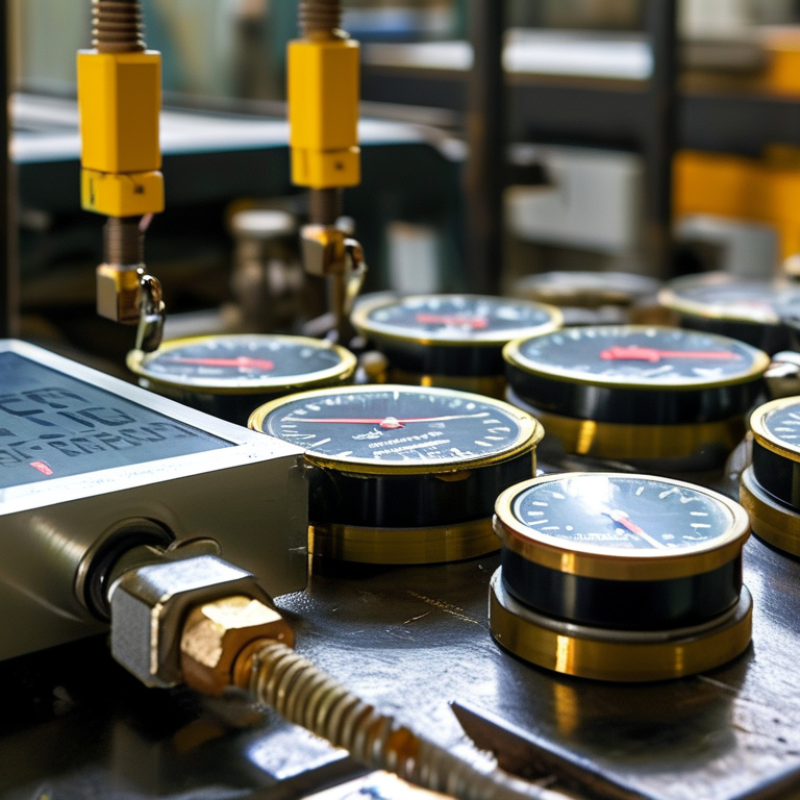
Load sensors are crucial devices used to measure weight or force. They convert physical forces into measurable electrical signals. These sensors find application in various fields, from industrial to everyday use.

Typically, a load sensor comprises a metal element, known as a strain gauge. When weight is applied, the strain gauge deforms. This deformation leads to a change in electrical resistance. Hence, the sensor can provide accurate readings of the load applied. Many load sensors are designed to handle large weights while maintaining precision.

Understanding load sensors requires experience and technical knowledge. Their effectiveness depends on calibration and installation conditions. Sometimes, factors like temperature and material fatigue can alter readings. Thus, maintaining accuracy is essential for reliable performance. Users must regularly check their load sensors to ensure they are functioning correctly. This commitment can prevent costly errors in measurements.

Key Types of Load Sensors: Strain Gauge, Load Cell, and More

Load sensors are vital in various industries, providing essential data for weight, pressure, and force measurement. Strain gauges are common types of load sensors, widely used due to their simplicity and accuracy. They work by detecting the deformation of an object. This deformation translates into an electrical signal that correlates to the applied load. According to a report from Allied Market Research, the global load cell market is projected to reach $4.71 billion by 2025, highlighting its growing importance.

Load cells, another significant type, convert force into measurable electrical signals. They are crucial in industrial applications and weigh scales. The performance depends on factors like temperature, calibration, and installation. A study by Research and Markets indicates that advancements in digital load cells will enhance precision and functionality. However, these sensors can be sensitive to environmental conditions. It’s essential to consider possible inaccuracies in real-world applications.

Other types of load sensors include piezoelectric sensors and hydraulic load sensors. Each has unique applications and limitations. For instance, piezoelectric sensors excel in dynamic measurements but are not suitable for static forces. This inherent limitation raises questions about sensor selection in specific scenarios. Understanding these nuances is critical for optimizing sensor performance in practical applications.

Principles of Operation: How Load Sensors Measure Force and Weight

Load sensors, also known as load cells, play a crucial role in various applications, including industrial scales and vehicle weigh stations. They work by converting a force or weight into an electrical signal. This process typically involves deforming a material, generating resistance changes that can be measured. According to a report by the International Society of Automation, the demand for load sensors in industrial automation has grown by over 15% annually, highlighting their importance in modern applications.

These sensors operate on a principle known as strain gauge technology. When weight is applied, the load cell experiences deformation. This deformation leads to a change in electrical resistance proportional to the applied force. Understanding the specifics of this measurement helps improve accuracy. Research indicates that errors in load measurement can exceed 2% when proper calibration methods are not employed.

Tips for achieving accuracy include regular calibration of load sensors. Ensuring the installation aligns with manufacturer specifications optimizes performance. Another consideration is the environmental conditions, as temperature fluctuations can affect readings. Monitoring these factors enhances reliability in measurements, thus improving overall performance of systems that rely on load sensors.

Applications of Load Sensors in Various Industries and Their Impact

Load sensors play a pivotal role in various industries. They measure weight and force, translating these metrics into essential data. In the transportation sector, for example, they ensure loads are within safety limits. According to a recent report, improper load management causes deficits worth $2 billion annually due to accidents and inefficiencies.

In manufacturing, load sensors enhance production efficiency. They help in monitoring machinery load, preventing breakdowns. A study indicated that predictive maintenance, aided by sensor data, can reduce downtime by up to 25%. This indicates a strong correlation between sensor technology and operational efficiency.

Despite their advantages, challenges remain. Calibration issues can lead to inaccurate readings. Additionally, the initial cost of implementing load sensor technology may deter smaller enterprises. Striking a balance between technology adoption and cost-effectiveness is crucial for many businesses.

Industry Standards and Calibration Techniques for Accurate Load Measurement

Load sensors are widely used to measure forces and weights in various industries. Accurate load measurement is crucial for safety and efficiency. To ensure reliable readings, industry standards and calibration techniques must be followed.

Calibration is a systematic process. It adjusts the sensor output to match a known standard. This process ensures that the measurements are both precise and repeatable. Regular calibration is essential. Lack of calibration can lead to errors, impacting operations.

Tips for effective calibration include maintaining a clean environment. Dust and moisture can affect sensor performance. Additionally, always verify the calibration against traceable standards. This provides confidence in the accuracy of measurements. Documenting each calibration cycle is also critical. It allows for easy tracking and troubleshooting in case of discrepancies. Remember, calibration is not a one-time activity. Regular checks enhance reliability and ensure safety in measurements.