Top 10 Multi Axis Force Sensors for Global Buyers?
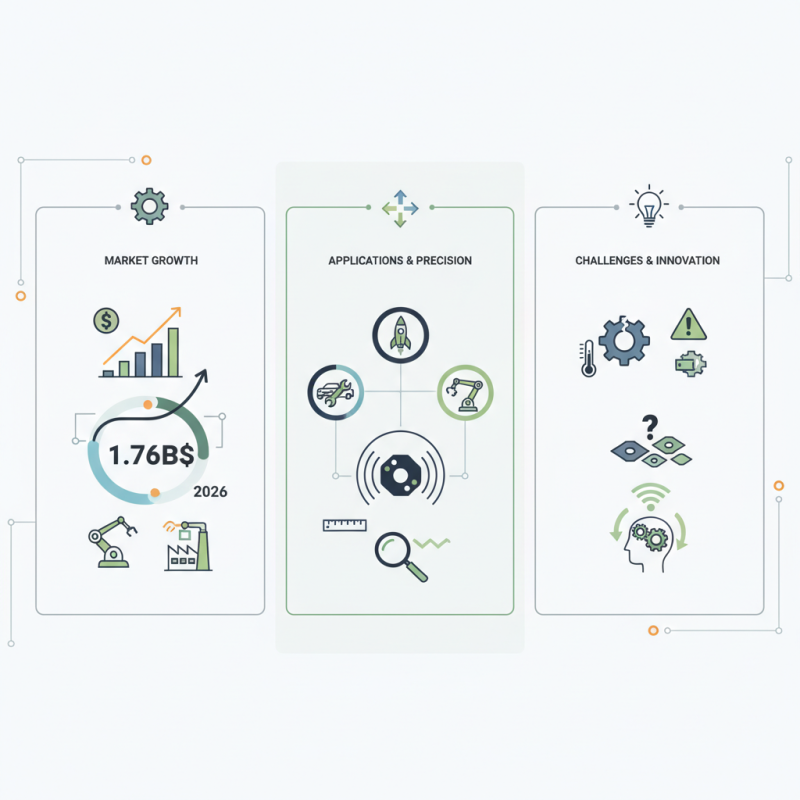
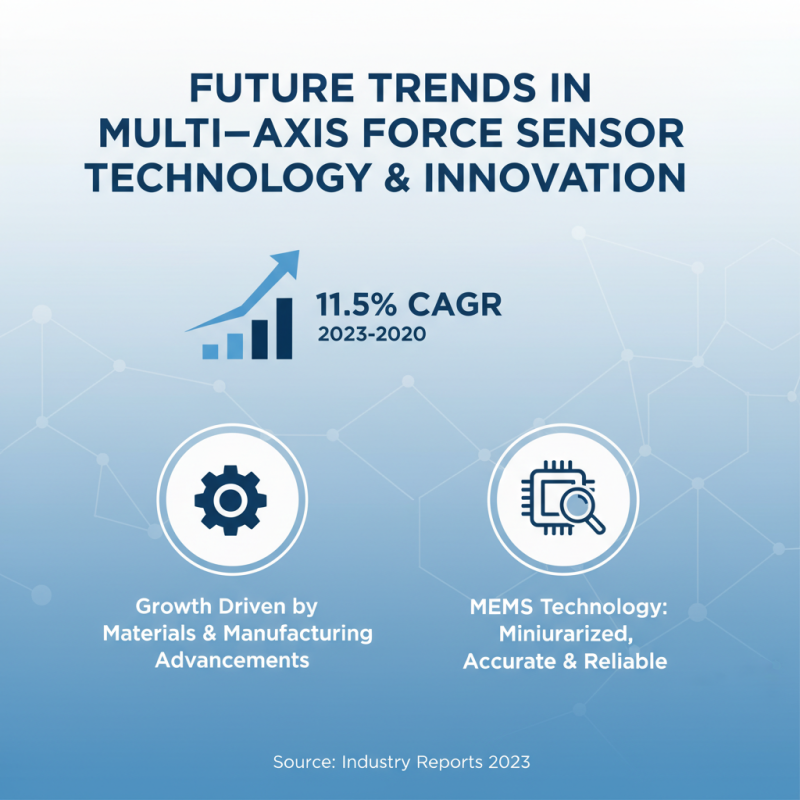
The global demand for Multi-Axis Force Sensors is escalating rapidly. According to a recent market report by Grand View Research, the force sensor market is projected to reach $1.76 billion by 2026. This growth is fueled by advancements in automation and robotics, where precision is paramount.
Multi-Axis Force Sensors play a vital role in diverse applications, including automotive testing, aerospace, and robotics. These sensors measure forces in multiple directions, enhancing the accuracy of data collection. Yet, buyers often encounter challenges in selecting the right sensors due to the vast market options.
Despite the promising trends, some Multi-Axis Force Sensors might lack reliability in extreme conditions. Stakeholders should consider this limitation when making purchasing decisions. As the market evolves, keeping informed about the latest innovations becomes crucial for global buyers.
Overview of Multi Axis Force Sensors and Their Applications
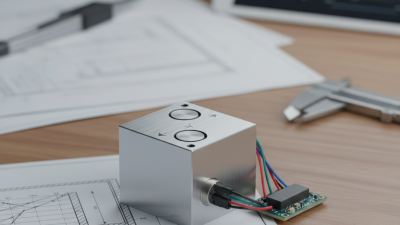
Multi-axis force sensors play a crucial role in various applications. They measure forces from multiple directions simultaneously. This capability is essential in robotics, aerospace, and biomechanics. These sensors ensure accuracy in force measurements, enhancing the overall efficiency of systems.
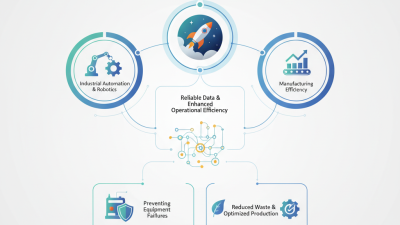
In industrial settings, multi-axis force sensors help streamline operations. They monitor product quality and reinforce safety measures. By detecting excessive pressure or stress, they prevent potential accidents. Market demand is growing for customizable sensors tailored to specific applications. Such developments may require meticulous design considerations.
Tips: When choosing a multi-axis sensor, consider the measurement range. Ensure it suits your application requirements. Note that installation and calibration might present challenges. Seek guidance from experienced technicians.
These sensors can be sensitive to environmental factors. Variations in temperature or humidity may affect readings. Always account for these possibilities during operation. This awareness can significantly enhance reliability in data collection.
Key Features to Consider When Selecting Multi Axis Force Sensors
When selecting multi-axis force sensors, several key features can influence your choice. The load range is crucial. Sensors vary in the maximum force they can measure. Selecting a sensor that meets your application’s demand is essential. Additionally, consider the sensor’s sensitivity. A higher sensitivity allows for better detection of small forces, which can lead to more accurate readings.
Another important aspect is the configuration. Different sensors offer various axes of measurement. Some may measure forces in three dimensions, while others handle torsion or bending. Understanding your specific application helps in choosing the right configuration. The sensor's physical size should also fit well within your setup.
Finally, look at integration options. Ease of interfacing with your existing systems can save time and resources. Reflecting on these features can aid in making an informed choice. Balancing these considerations will lead to selecting the right multi-axis force sensor for your needs.
Top 10 Multi Axis Force Sensors: Performance and Specifications
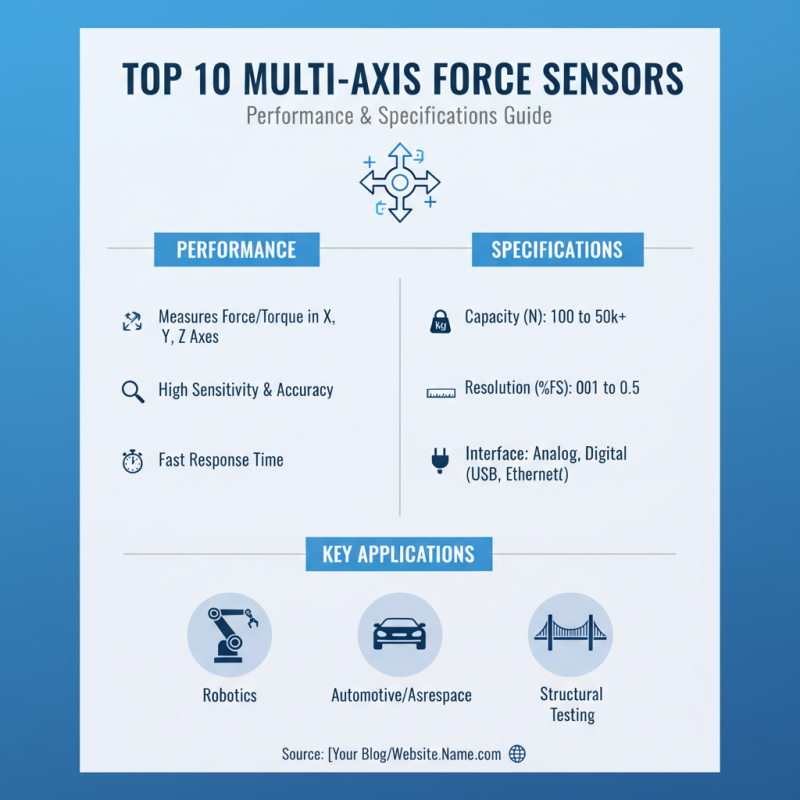
When exploring multi-axis force sensors, performance and specifications are key factors. These sensors measure forces in multiple directions. They are essential in various applications, from robotics to structural testing. Understanding their specifications helps engineers make informed choices.
Many sensors offer varying load capacities and dimensions. Some can handle forces as low as 1N, while others measure up to several kN. The resolution and accuracy of these devices significantly impact their effectiveness, leading to a wide range of measurement resolutions, often down to micronewtons. Additionally, factors like temperature sensitivity and response time can affect performance.
Selecting the right sensor is not always straightforward. Users must consider the environment and application type. Some sensors perform poorly in extreme conditions. Evaluation of sensor specifications ensures better compatibility with specific needs. It's clear that while many options exist, thorough testing and understanding of each product’s limits is crucial for achieving ideal results.
Comparative Analysis of Leading Brands in Multi Axis Force Sensors
Multi-axis force sensors play a crucial role in various applications, from robotics to aerospace. These sensors measure forces and moments along multiple axes. Their increasing popularity emphasizes the need for a comprehensive comparative analysis of leading brands. Evaluating these sensors involves examining their accuracy, sensitivity, and response time.
The accuracy of a multi-axis force sensor directly impacts the reliability of the data it provides. Users often find that some sensors display varying levels of precision under different conditions. Sensitivity also varies across devices. Some sensors may respond better to minute changes in force than others. This disparity can affect how effectively they serve in sensitive applications, such as surgical robotics.
Moreover, variables such as calibration and environmental factors can influence performance. Users should consider these elements when selecting a sensor. Reliability can come into question when sensors are subjected to extreme conditions. Comparatively, some brands may outshine others, yet each has its own strengths and weaknesses. This reflection is crucial in determining which sensor truly meets specific industry needs.

 sales@loadcellsensor.com