2026 How to Choose the Best Force Sensing Load Cell?
Choosing the right Force Sensing Load Cell is critical for achieving accurate measurements in various applications. Expert Dr. Emily Chen, a leading authority in sensor technology, emphasizes, "Selecting the appropriate load cell can significantly enhance performance and reliability." Her insights underline the importance of understanding specific requirements before making a decision.
Many factors come into play when selecting a Force Sensing Load Cell. Considerations include load capacity, material composition, and environmental conditions. It is easy to overlook these details. However, choosing the wrong specifications can lead to measurement errors and equipment failure. Exploring different types of load cells can also be overwhelming, but it’s essential to focus on the application's needs.
Incorporating user feedback and real-world experiences can further refine choices. It helps to look for applications similar to yours. A simple yet effective approach could involve collaborating with experienced engineers or manufacturers. Taking the time to understand the nuances of Force Sensing Load Cells can prevent costly mistakes and ensure optimal performance.
Understanding Force Sensing Load Cells: The Basics
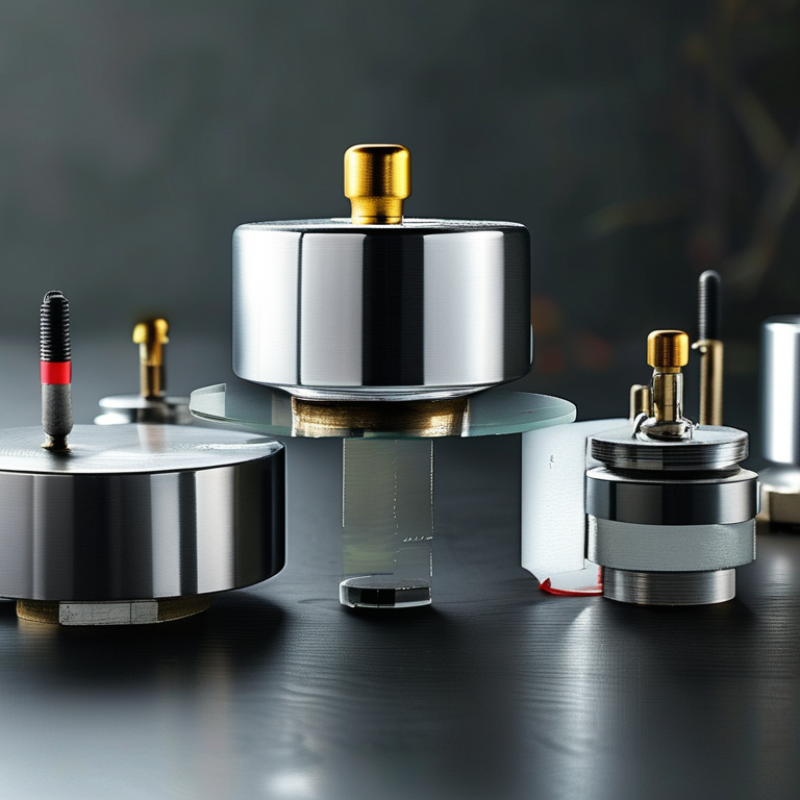
Force sensing load cells are essential in various applications. They measure force and weight with precision. Understanding their basics is crucial for effective implementation.
The design of a force sensing load cell typically features strain gauges. These are sensitive to deformation caused by applied force. When a load is applied, the gauges change resistance. This change can be converted into a readable output. Knowing the materials and construction can influence results significantly.
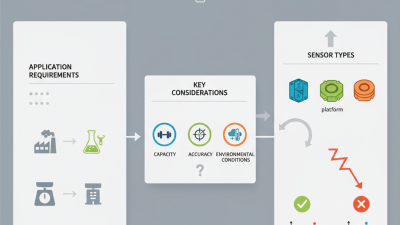
It’s important to consider factors such as capacity and accuracy. Too high or too low capacity can lead to inaccurate measurements. Users often overlook environmental factors affecting performance. For example, temperature fluctuations can skew results. Always document your observations and adjust accordingly. This reflection helps improve future applications and decision-making.
Key Factors to Consider When Choosing a Load Cell
When selecting a force sensing load cell, it’s crucial to consider key factors for optimal performance. Accuracy is paramount in applications where precision is non-negotiable. Look for load cells that operate within a tight tolerance range. This ensures measurements align closely with your requirements.
Another vital factor is capacity. Determine the maximum load your application will require. It is essential to choose a load cell that can handle not just the typical load, but potential overload situations. Insufficient capacity may lead to failure, while excessive capacity can compromise sensitivity.
Environmental factors should also be evaluated. Consider temperature variations, humidity, and potential exposure to chemicals. Load cells with robust housing materials are advantageous in harsh environments. These factors significantly influence reliability and longevity. Keep in mind that even with the best selection, unexpected issues may arise. Regular calibration is necessary to maintain accuracy, highlighting the importance of an ongoing evaluation process.
Types of Force Sensing Load Cells and Their Applications
Choosing the right force sensing load cell involves understanding the types available and their unique applications. Load cells are crucial in various industries, from automotive testing to industrial automation. According to a recent industry report, the global load cell market is expected to reach $1.92 billion by 2026. This growth drives the need for refined applications and improved technology in force measurement.
There are several types of force sensing load cells. Strain gauge load cells are popular for their accuracy and versatility. They can measure both tension and compression. Another type is the piezoelectric load cell, known for its rapid response time. It is ideal for dynamic measurements but may lack stability under static conditions.
In contrast, hydraulic load cells are often used for heavy-duty applications, providing excellent load capacity. However, these systems may require more maintenance and monitoring. Understanding the strengths and weaknesses of each type can help in selecting the best option for specific needs. The right choice can enhance operational efficiency and safety in your projects.
2026 How to Choose the Best Force Sensing Load Cell? - Types of Force Sensing Load Cells and Their Applications
| Type of Load Cell |
Measurement Range |
Accuracy |
Application |
| Strain Gauge Load Cell |
0.5 kg to 1000 kg |
±0.1% of full scale |
Industrial scales, weighing systems |
| Piezoresistive Load Cell |
1 g to 200 kg |
±0.5% of full scale |
Pressure measurement, robotics |
| Capacitive Load Cell |
1 kg to 500 kg |
±0.2% of full scale |
Medical devices, material testing |
| Optical Load Cell |
5 kg to 250 kg |
±0.15% of full scale |
High precision applications, force measurement in research |
| Tension and Compression Load Cell |
10 kg to 3000 kg |
±0.5% of full scale |
Construction, aerospace applications |
Accuracy, Sensitivity, and Calibration in Load Cells
When selecting a force sensing load cell, accuracy is paramount. According to a recent industry report, the best load cells typically demonstrate an accuracy rate of over 0.1%. This level of precision is crucial in many applications, such as industrial automation and medical devices. Even minor inaccuracies can lead to significant errors, ultimately affecting outcomes. Regular calibration is essential to maintain this accuracy over time. It is recommended that calibration occurs at least once a year, or more frequently in critical applications.
Sensitivity is another vital factor. The higher the sensitivity, the smaller the force that can be detected. Some high-precision load cells have sensitivities as low as 0.002 N. This makes them ideal for applications requiring fine measurements. However, selecting a load cell with excessive sensitivity can lead to challenges. It may pick up noise or environmental vibrations, skewing results. Users should balance sensitivity with environmental factors to ensure reliability.
Calibration processes must be conducted with care. Inaccurate calibration could render a load cell ineffective. Reports indicate that over 40% of load cell inaccuracies stem from improper calibration. It is essential to follow best practices diligently, ensuring the use of calibrated reference weights when adjusting the measurement system. Inadequate attention to these details can undermine the overall performance of a load cell, leading to costly errors and inefficiencies in operations.
Budgeting: Cost vs. Quality in Load Cell Selection
Selecting the right force sensing load cell involves balancing cost and quality. A common mistake is prioritizing price over performance. While cheaper options can save money upfront, they may lead to issues later. Inaccurate readings or unreliable performance can result from low-quality sensors. This affects not just efficiency but also long-term costs due to potential replacements or repairs.
Quality load cells might demand higher initial investments. However, their reliability often justifies this cost over time. These sensors tend to offer better accuracy and longevity. Consider the specifics of your application. If precision is crucial, investing in quality is wise. It can ultimately elevate your productivity and ensure safety in operation.
While budgeting, reflect on the trade-offs. A lower-quality sensor might meet immediate needs but could compromise future workflows. Evaluate your long-term goals and the impact of your choices. Sometimes, spending more initially can lead to greater savings, both financially and operationally, down the line. Balancing these factors requires careful thought and a clear understanding of your requirements.

 sales@loadcellsensor.com