What is a Multi-Axis Force Sensor and How is it Used?
In the realm of industrial automation and robotics, the significance of a Multi-Axis Force Sensor cannot be overstated. Dr. Emily Chang, a leading expert in sensor technology, emphasizes, "Multi-Axis Force Sensors are crucial for precise measurements in dynamic environments." This statement resonates with engineers and innovators seeking accuracy and reliability in their systems.
These sensors play a vital role in applications ranging from robotics and aerospace to biomechanical testing. A Multi-Axis Force Sensor can measure forces in multiple directions simultaneously, providing a comprehensive understanding of the physical interactions occurring in complex systems. Industries are increasingly adopting these sensors due to their ability to improve the performance and safety of robotic applications.
However, challenges persist in integrating Multi-Axis Force Sensors into existing systems. Limited understanding of their potential can hinder widespread adoption. As technology advances, it’s essential for engineers to address these challenges with an informed perspective, ensuring that the integration leads to enhanced data accuracy and operational efficiency. Continuous exploration of this technology is critical for overcoming barriers and fully realizing its benefits.
What is a Multi-Axis Force Sensor?
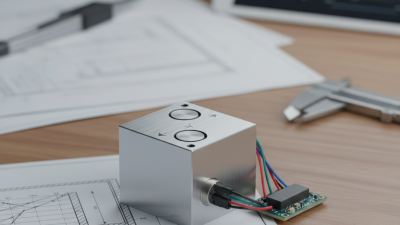
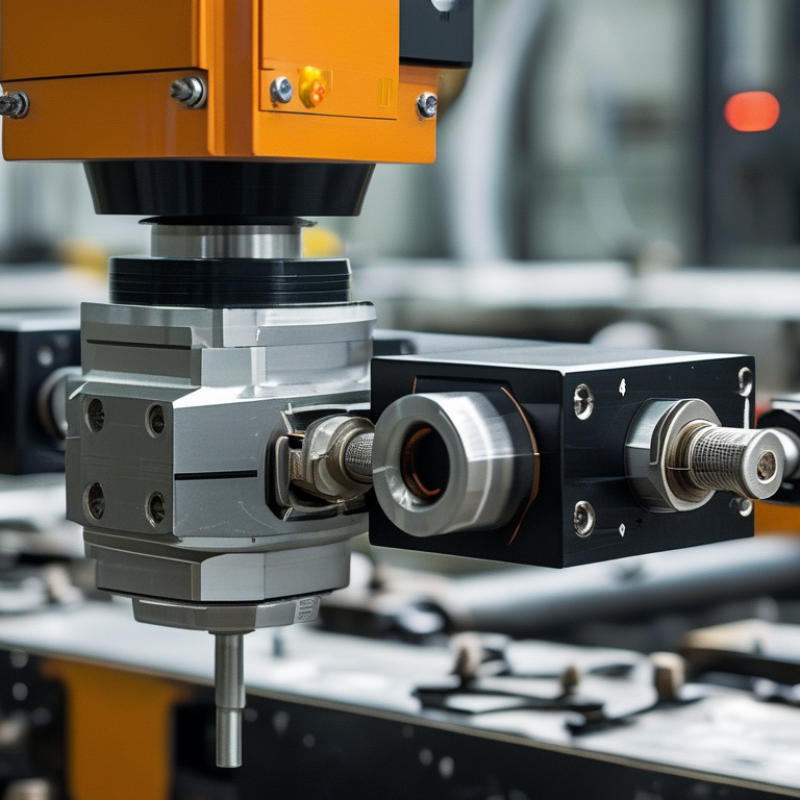
A multi-axis force sensor is an advanced device used to measure forces in multiple directions. It typically detects forces along three axes: X, Y, and Z. This capability provides a more comprehensive understanding of force applications. According to data from the International Society of Automation, demand for multi-axis sensors is projected to grow by approximately 15% annually through 2025. This trend highlights their increasing importance in various industries.
These sensors are essential in robotics, aerospace, and automotive testing. They help engineers to design systems that can withstand complex forces during operation. Multi-axis force sensors can improve product testing accuracy by providing real-time data. However, calibration issues often arise, which can lead to inaccuracies. Industry reports indicate that up to 30% of sensor failures are linked to improper calibration. This suggests a need for improved methodologies in sensor calibration processes.
In addition, these sensors can be seen as complex tools. They require precise integration into existing systems, which can be challenging. Real-time monitoring systems must be adapted to interpret the data effectively. The mixed results from these integrations indicate that while the technology is promising, there are operational challenges that need to be addressed. Balancing innovation with reliability remains a key focus for engineers in this field.
Key Components of Multi-Axis Force Sensors
Multi-axis force sensors are essential tools in various industries, enabling precise measurement of forces in multiple directions. These sensors provide valuable data for applications in robotics, manufacturing, and biomedical fields. Understanding their key components can enhance their effectiveness.
The primary elements of a multi-axis force sensor include strain gages, sensing elements, and signal processing units. Strain gages convert mechanical deformation into electrical signals. According to a recent industry report by Research and Markets, the global market for force sensors is projected to grow by 6.2% from 2023 to 2028. This growth highlights the increasing reliance on accurate force measurements in design and testing processes.
Sensing elements are crucial for sensitivity and accuracy. Multi-axis force sensors often incorporate piezoelectric materials, which allow them to react quickly to applied forces. Signal processing units then refine the data received from strain gages and sensing elements, producing usable information for operators. The challenge lies in ensuring that these systems are calibrated correctly, as improper adjustments can lead to significant measurement errors. As engineers design more complex systems, addressing these calibration issues will remain a focus for improving sensor reliability.
Applications of Multi-Axis Force Sensors in Industry
Multi-axis force sensors are crucial in various industrial applications. These sensors measure forces across multiple directions. They provide invaluable data for enhancing machinery performance. For example, in robotics, they help improve grip strength and precision. This results in better handling of fragile items.
In the automotive industry, multi-axis force sensors are often employed in testing scenarios. They gauge the forces exerted during crash tests. This helps engineers refine safety designs. Meanwhile, in manufacturing, they are used in assembly lines. They ensure that components are fitted properly. Misalignments can lead to costly errors, making these sensors essential.
However, integrating these sensors can be complex. Calibration is often necessary for accurate readings. Engineers must consider environmental conditions that may affect sensor performance. Reflection on these challenges is key to maximizing their benefits. Balancing precision and usability remains an ongoing focus in the field.
Working Principles of Multi-Axis Force Sensors
Multi-axis force sensors operate on the principle of measuring forces in multiple directions. These sensors utilize piezoelectric or strain gauge technology to detect force components acting along different axes. When a force is applied, the sensor's output changes, providing valuable data about the magnitude and direction of the force. This data is critical in various applications, including robotics, aerospace, and automotive testing.
Tips: Always calibrate your sensor to ensure accuracy. Regular checks can prevent false readings.
The sensitivity of multi-axis force sensors allows for precise measurements. Factors such as
temperature and
material properties can affect their performance. Therefore, understanding the
environmental conditions in which they operate is crucial. An uncalibrated sensor can lead to significant errors in data collection.
Tips: Consider environmental factors when designing your system. It can significantly enhance reliability.
It's essential to reflect on the limitations of multi-axis sensors. Interference from surrounding equipment can produce noise in the signals. Understanding these aspects can help in refining measurement techniques and improving data reliability. A thoughtful approach will result in better outcomes in practical applications.
Advantages of Using Multi-Axis Force Sensors in Measurement and Control
Multi-axis force sensors have gained popularity in various fields due to their precision. These sensors measure forces and moments across multiple axes simultaneously. This capability allows for more comprehensive data collection. In industrial applications, accuracy is critical. Multi-axis force sensors provide this accuracy, which leads to improved process control.
One significant advantage of using multi-axis force sensors is their ability to simplify complex measurements. Instead of using multiple sensors, a single device can capture all required data. This feature reduces installation time and costs. Moreover, it minimizes errors that may arise from misalignment of several sensors. In research and development, faster iteration cycles can be achieved. Thanks to real-time feedback from these sensors, designs can be optimized effectively.
However, integrating these sensors into existing systems can pose challenges. Calibration might require careful adjustments. In some cases, the complexity of data output can overwhelm users. Understanding how to interpret this data is crucial. Having trained staff and the right software can facilitate this. As technology evolves, these sensors will likely see further advancements. Their reliability and versatility will continue making them valuable in measurement and control.

 sales@loadcellsensor.com