Essential Tips for Choosing the Right Force Transducer?
Choosing the right force transducer is crucial for many applications in engineering and manufacturing. According to a report by MarketsandMarkets, the force transducer market is projected to reach $1.2 billion by 2025, emphasizing its growing significance. These devices measure force accurately, which is essential for quality control and precision in production processes.
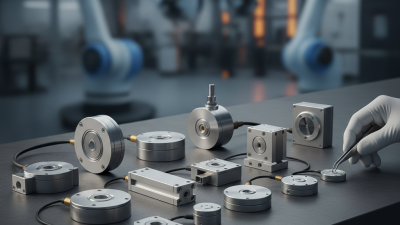
Dr. Emily Thompson, a leading expert in sensor technology, states, “Selecting a force transducer requires careful consideration of accuracy, range, and environmental factors.” Her insights reflect the complexity of the task. There are various types, including strain gauge and piezoelectric force transducers, each with unique advantages.
It's essential to evaluate specifications without overlooking brand reputation. The ideal device not only meets technical requirements but also works reliably under varying conditions. Yet, industry standards sometimes change, creating uncertainty. Understanding your specific application's needs is vital. A poor choice could lead to inaccurate data collection and costly errors.
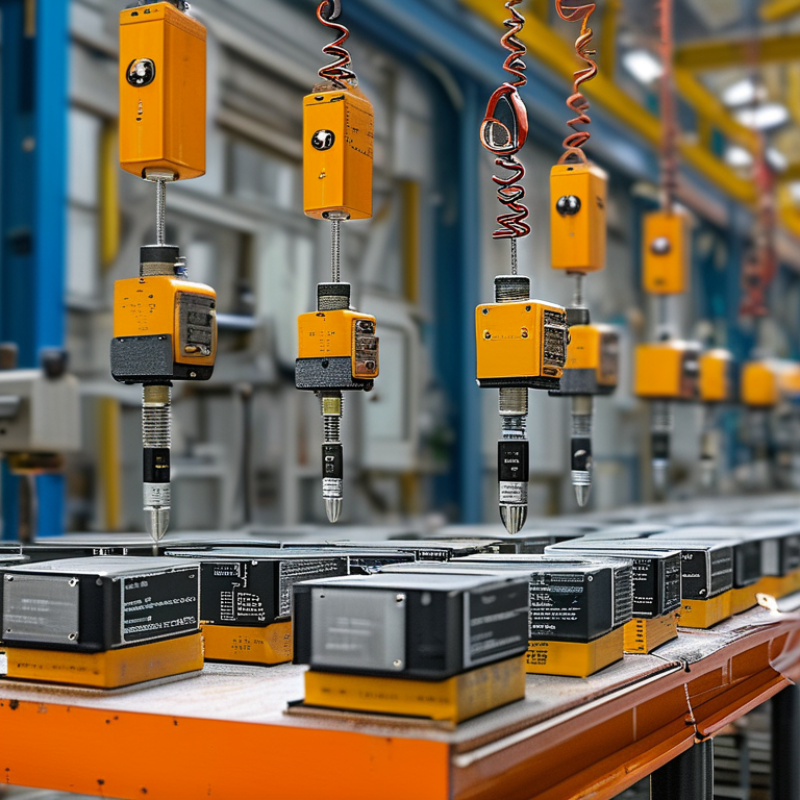
Understanding Force Transducers: Key Concepts and Applications
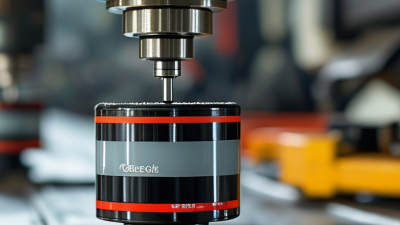
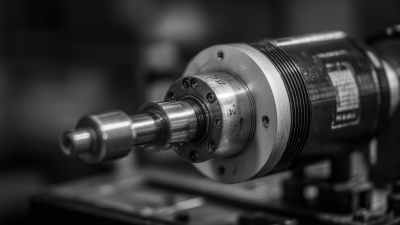
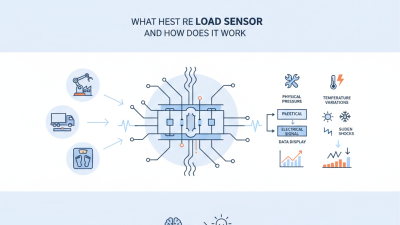
When selecting a force transducer, understanding its fundamental concepts is crucial. Force transducers convert mechanical force into an electrical signal. They are widely used in various industries, including automotive, aerospace, and manufacturing. Applications range from measuring the weight of products to assessing structural integrity.
One important tip is to consider the measurement range. Ensure the transducer can handle the forces you'll encounter. Too small a range may lead to inaccurate readings or damage. Moreover, look for the transducer's sensitivity. A highly sensitive device offers precise measurements, which is essential in critical applications. However, excessive sensitivity can also introduce noise and require careful calibration.
Another tip involves the type of force measurement needed. Different transducers are optimized for tension, compression, or both. Matching the transducer type to your application increases reliability.
Keep in mind environmental factors as well. Humidity, temperature, and vibration can impact performance. It may require additional protective measures. Always test the equipment in realistic conditions to gauge its reliability accurately. This reflection on testing is vital for ensuring longevity and accuracy in your measurements.
Types of Force Transducers: Strain Gauge vs. Piezoelectric Devices
When selecting a force transducer, understanding the types is crucial. Strain gauge devices are commonly used for static measurements. They convert mechanical deformation into an electrical signal. This technology is reliable and precise. Strain gauges excel in low-frequency applications. However, they struggle in dynamic conditions, often showing hysteresis errors.
On the other hand, piezoelectric devices are ideal for dynamic force measurements. They produce an electrical charge in response to mechanical stress. These devices respond quickly, making them suitable for high-frequency applications. However, their performance may decrease under static loads. Biasing issues can also occur, requiring careful calibration.
Choosing between these two types involves assessing the specific application needs. Consider factors such as frequency range, required accuracy, and environmental conditions. Each technology has limitations. Understanding these can help in making an informed decision.
Accuracy and Sensitivity: Industry Standards for Force Measurement
Accuracy and sensitivity are critical components in force measurement technology. Industry reports indicate that 80% of inaccuracies in force data arise from the selection of inappropriate transducers. It's essential to consider the specifications of a force transducer to avoid costly errors. A typical force transducer should exhibit a non-linearity of less than 0.5% of the full scale. Sensitivity is another key factor; a transducer that measures in the range of 1 mV/V is often considered optimal for precision tasks.
Conduct thorough research before making a choice. Various applications require different levels of accuracy and sensitivity. For example, medical applications often necessitate high precision, with standards suggesting a maximum allowable error of 2%. On the other hand, industrial applications might tolerate errors exceeding 5%. Make sure to analyze the trade-offs between cost and performance.
Consider the environmental factors that may affect the transducer's performance. For instance, temperature fluctuations can lead to drift in readings. Reports indicate that a temperature coefficient of less than 0.01%/°C is ideal for stable measurements. Some transducers struggle to maintain accuracy under high load conditions. This variance can skew data, forcing engineers to recalibrate frequently. Understanding these parameters can guide you in selecting the right transducer for your needs.
Selecting the Right Measurement Range: Importance and Calculation Methods
Selecting the right measurement range for a force transducer is crucial. An incorrect range can lead to inaccurate readings. Understanding the application is key. Consider the maximum and minimum forces to be measured. The measurement range should exceed these values to ensure reliability.
Calculation methods for determining the right range involve assessing operational conditions. Evaluate the expected loads, dynamic forces, and any potential transient conditions. This helps in choosing a transducer that won't face overload situations. Additionally, a broader range may lower resolution. Finding a balance is essential.
While determining the measurement range, think about future needs. Industries evolve, and demands can change. Not accounting for growth might lead to underperformance. Misjudgments can occur in these calculations, highlighting the need for thorough analysis. Frequent reviews of your selection process can enhance reliability and effectiveness. Aim for a transducer that aligns with both current and future specifications.
Calibrating Your Force Transducer: Best Practices and Frequency Recommendations
Calibrating a force transducer is vital for accurate measurements. Regular calibration ensures that the device performs optimally. It minimizes errors, which could lead to critical miscalculations in various applications.
Best practices include performing calibration under controlled conditions. Use known weights to verify the force readings. Ensure the environment is stable—temperature and humidity can affect results. Frequent calibration is recommended, especially for sensors exposed to harsh conditions. A good starting point is every three months.
Consider the context of your application. If you work in a lab, quarterly checks may suffice. In industrial settings, weekly or monthly calibrations might be necessary. This frequency helps catch any drift early. Always document your calibration results. This practice enhances reliability and accountability in your operations.

 sales@loadcellsensor.com