Leave Your Message
banner_21

10 Tips for Choosing the Right Weight Sensor

Choosing the right Weight Sensor is rarely as simple as matching a capacity number. A sensor rated for 500 kilograms may still perform poorly on a vibrating conveyor, a dusty platform, or a washdown line. Real conditions matter. Temperature changes, shock loading, moisture, cable movement, and uneven mounting can distort readings. These details often decide whether a weighing system remains dependable after installation.

This guide presents ten practical tips for evaluating a Weight Sensor with greater confidence. It considers measurement capacity, accuracy, response speed, signal output, construction materials, environmental protection, and installation requirements. It also examines calibration, maintenance access, certification, and supplier support. Technical datasheets provide useful evidence, but they cannot reveal every field problem. A sensor may meet laboratory specifications and still need careful alignment on site. That is an important limitation to acknowledge.

Experience with industrial weighing systems shows that small design choices can create large measurement errors. A loose mounting bolt can shift the displayed weight. An unsuitable cable can absorb moisture over time. A rushed calibration can hide an unstable signal. Better decisions come from comparing specifications with actual operating conditions. Independent test records, clear warranty terms, and documented calibration procedures can strengthen that decision. The ideal choice is not always the most expensive one. It is the sensor that delivers stable, traceable performance in the intended environment. Examine the details closely. Reliability begins before purchase.
10 Tips for Choosing the Right Weight Sensor

Understanding Weight Sensor Types and Measurement Principles

Choosing the right weight sensor starts with understanding how it measures force. A strain gauge load cell detects tiny resistance changes when metal bends under a load. It offers strong accuracy for scales, hoppers, and platform systems. A piezoelectric sensor creates an electrical charge when compressed. It responds quickly, but it may be less suitable for steady, long-term weighing. Capacitive sensors measure changes in electrical capacitance. They can detect small loads, although moisture and nearby electrical noise may affect readings.

Match the sensor type to the real working conditions. Check the expected weight range, overload risk, mounting direction, and available space. A sensor rated far above the actual load may reduce resolution. A sensor rated too closely may fail after a sudden impact. Think about temperature changes, vibration, dust, and cleaning methods. The cable also matters. A damaged cable can imitate sensor drift.

Calibration should reflect actual use, not only laboratory conditions. Place a known test weight near the center, then repeat the test near each corner. Record the results. Small differences can reveal uneven mounting or frame friction. No sensor is perfect. Even careful installations may show readings that change slightly over time. That is why routine inspection, stable wiring, and documented measurements support reliable decisions. A technically advanced sensor can still perform poorly when its measurement principle does not fit the application.

Defining Accuracy, Capacity, and Resolution Requirements

10 Tips for Choosing the Right Weight Sensor

Defining Accuracy, Capacity, and Resolution Requirements

Start with the load.

Define the lightest, typical, and heaviest loads before selecting a sensor. A 100-kilogram application may need a 150-kilogram capacity if impacts, vibration, or uneven loading are possible. This margin is practical, not universal. It should come from measured operating conditions, not guesswork. Overcapacity can also reduce useful resolution, so more is not always better.

Accuracy and resolution describe different things. Resolution is the smallest displayed change, while accuracy describes closeness to the true value. A sensor may display 1 gram but remain accurate only within several grams. NIST Handbook 44, 2024 edition, lists increasing permissible tolerances for Class III weighing instruments as load divisions increase. OIML R 76-1 also links performance requirements to verification scales and maximum permissible errors. These references provide a defensible starting point for specifications.

I have seen teams choose resolution first, then discover unstable readings near full capacity. That approach needs reconsideration. Test repeatability at low, middle, and peak loads. Record drift after warm-up, especially in outdoor or washdown areas. Temperature changes matter; so do mounting surfaces. One overlooked bolt can distort results. A useful specification might state: 0–100 kilograms, ±20 grams accuracy, 1-gram display resolution, and tested repeatability under actual vibration. The numbers must reflect evidence. A neat datasheet cannot replace field testing.

Evaluating Environmental Conditions and Installation Constraints

10 Tips for Choosing the Right Weight Sensor

Environmental conditions often determine whether a weight sensor performs reliably or fails early. In field installations, I check temperature swings, humidity, dust, vibration, and chemical exposure before comparing specifications. A sensor near a washdown area needs suitable ingress protection and sealed cable connections. A device installed beside a furnace may require compensation for heat drift. Small details matter. Condensation can enter during overnight cooling, even when daytime temperatures seem harmless.

Installation constraints deserve equal attention. Measure the available space, mounting height, cable path, and service access before ordering. The supporting frame must remain rigid under load. Flexible brackets can create unstable readings and repeated calibration problems. Uneven surfaces also transfer side forces into the sensing element. Keep the applied force centered whenever possible. It sounds obvious.

I once focused too heavily on rated capacity and underestimated vibration from nearby machinery. The readings looked acceptable during testing, then fluctuated during production. That mistake changed my process. I now inspect the full mechanical environment, including grounding, cable shielding, overload protection, and cleaning methods. Choose a sensor with enough capacity, but avoid excessive oversizing because it may reduce measurement resolution. Review actual operating conditions, not just average conditions. Laboratory data can feel reassuring, yet real equipment is rarely so polite.

10 Tips for Choosing the Right Weight Sensor

Evaluating Environmental Conditions and Installation Constraints

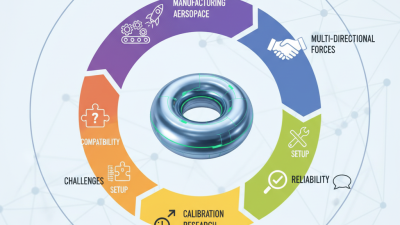
This planning chart ranks the most important checks on a 1–5 scale, where 5 indicates a critical selection factor. Verify the sensor’s temperature range, ingress protection, chemical compatibility, vibration resistance, mounting space, cable routing, overload capacity, and calibration access against the actual application and manufacturer datasheet.

Comparing Signal Output, Compatibility, and Calibration Needs

10 Tips for Choosing the Right Weight Sensor

Choosing a weight sensor starts with its signal output, not its advertised capacity. Analog millivolt signals suit short, simple wiring, but they need stable excitation and careful noise control. Digital outputs can simplify diagnostics and long cable runs, although integration may require specific software or communication protocols. According to MarketsandMarkets’ 2024 Load Cell Market report, the market may grow from about USD 1.7 billion in 2023 to USD 2.4 billion by 2028. That growth reflects wider automation, not a guarantee of better measurement.

Compatibility is more practical than it sounds. Check the input range, connector type, mounting geometry, environmental rating, and controller resolution. A sensor can fit mechanically and still produce unusable readings. Grand View Research reported that the global load cell market was valued at approximately USD 1.7 billion in 2022, with continued growth expected through 2030. More installations mean more mixed systems, older controllers, and unexpected interface problems.

Calibration needs equal attention. Industrial weighing systems often follow OIML R 60 or ISO 376 practices, depending on accuracy and application. Review the required test loads, temperature range, repeatability, and recalibration interval before purchasing. Field calibration may expose drift that factory specifications do not show. I have found that installation stress can matter as much as sensor quality. That is easy to underestimate. A strong selection process should document real operating conditions, because laboratory accuracy rarely survives careless mounting.

Assessing Durability, Maintenance, Cost, and Supplier Support

Choosing the right weight sensor requires more than comparing capacity and accuracy. In field installations, durability often decides whether a system remains dependable after months of vibration, dust, and moisture. Check the housing material, sealing level, overload protection, and expected load cycles. A sensor may perform well in a clean laboratory but struggle near washdown areas or uneven floors. Test it under realistic conditions when possible. Real conditions matter.

Tip: Inspect the sensor after installation. Look for cable damage, corrosion, loose fittings, and unstable readings. A simple inspection schedule can prevent expensive production interruptions. Maintenance should also be practical. Ask whether calibration requires special tools, trained technicians, or sensor removal. Review cleaning instructions carefully, because aggressive chemicals may shorten service life. I once underestimated cable routing, and repeated movement caused an avoidable failure.

Tip: Calculate the full operating cost, not only the purchase price. Include installation, calibration, replacement parts, downtime, energy use, and technician hours. A cheaper sensor can become costly when readings drift frequently. Supplier support deserves equal attention. Confirm response times, spare-part availability, technical documentation, and warranty conditions before ordering. Request application guidance based on your load, environment, and mounting structure. Strong suppliers explain limitations clearly instead of promising perfect performance. Still, support quality can vary by region, and that detail is easy to overlook. Test communication before commitment.