Top 10 Load Sensors 50kg in China for Accurate Weight Measurement?
In the realm of industrial weighing solutions, the "Load Sensor 50kg" has become essential for accurate weight measurement. Expert Dr. Lin Zhao, a prominent figure in sensor technology, emphasizes the importance of precision in this field. He states, "Reliable load sensors are vital for industries that rely on exact measurements."
China has emerged as a hub for innovative load sensor development. The local market offers a wide range of 50kg load sensors, each designed with specific applications in mind. Manufacturers are focusing on technology that enhances accuracy, durability, and user-friendliness.
However, not all load sensors are created equal. Some devices may fall short in reliability or calibration. Buyers need to conduct thorough research. Selecting the right load sensor can significantly impact operational efficiency. Thus, exploring the top 10 load sensors in China is crucial for industries aiming for excellence in weight measurement.
Overview of Load Sensors and Their Importance in Weight Measurement
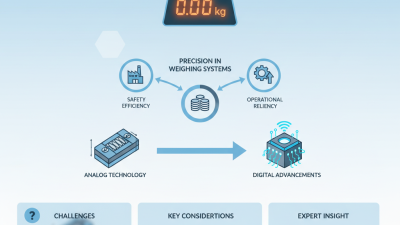
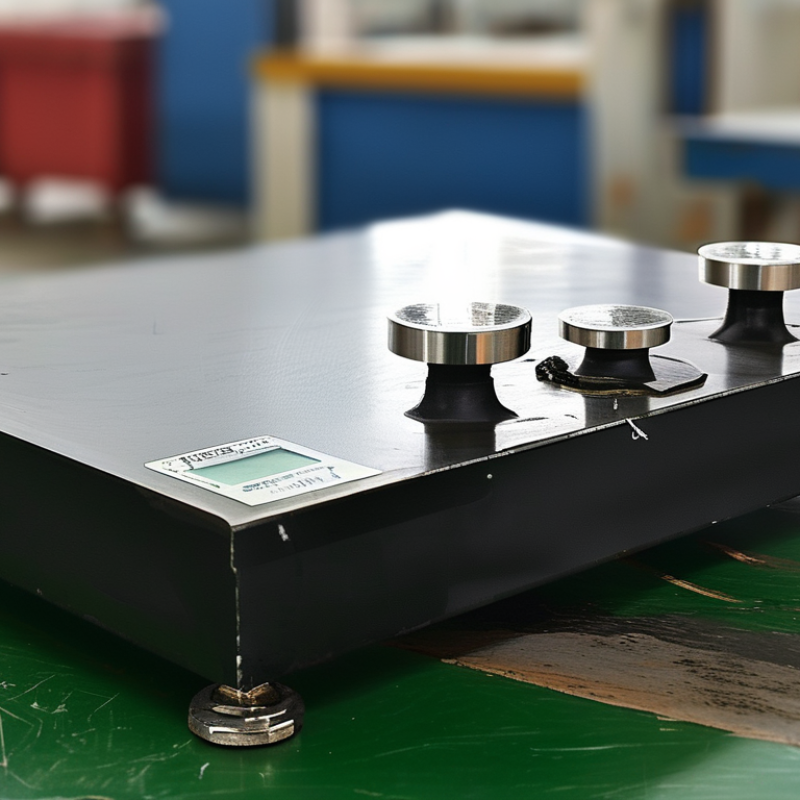
Load sensors play a crucial role in weight measurement across various applications. These devices convert mechanical force into electrical signals. Accurate weight measurement is essential in manufacturing, logistics, and even healthcare. With advancements in technology, load sensors have become more reliable and precise. They help reduce errors in measurements, ensuring better quality control and process efficiency.
Tips for choosing a load sensor: Check the sensor's stability and calibration range. Ensure that the sensor can handle the specific weight load you require. It's crucial to invest in a durable design that withstands harsh environments.
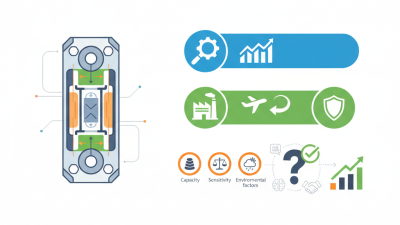
Despite their benefits, load sensors can face challenges. Environmental factors like temperature and humidity may affect accuracy. Regular maintenance and calibration are necessary to uphold performance. Ensuring users are trained in handling these devices is equally important. A well-informed operator can better interpret the results and troubleshoot if needed.
Criteria for Selecting Load Sensors Suitable for 50kg Capacity
When selecting load sensors with a capacity of 50kg, it’s crucial to consider accuracy. Sensor precision is vital for various applications. Look for products that offer a detailed specification of their measurement accuracy. A small margin of error can significantly impact results.
Another important criterion is the sensor's construction. Materials matter. Stainless steel or aluminum housing often enhances durability. Environmentally resistant features can also improve longevity. However, some sensors may be overbuilt for simple tasks. Weigh the need for robustness against your application.
Compatibility with your system is equally significant. Sensors should seamlessly integrate with your data acquisition systems. Check for output signal compatibility, whether it’s analog or digital. Some sensors are more adaptable than others. Understanding your requirements can prevent mismatch issues later on. Balancing these factors is key to making an informed choice.
Top Features to Look for in 50kg Load Sensors
When selecting a 50kg load sensor, accuracy is paramount. Experts highlight that sensors with a precision of at least ±0.1% are ideal. This level of precision ensures that measurements are reliable, crucial in both industrial and laboratory settings. Load sensors that employ strain gauge technology often show better stability over broad temperature ranges. This stability minimizes errors during weight measurements, maintaining performance in various environments.
Another important feature is the sensor's output compatibility. Many load sensors use analog signals, while some provide digital outputs. Sensors that offer both types seem more versatile for integration into existing systems. Having a selection between output types can enhance flexibility in application, particularly for automated processes. Additionally, sensors with a robust design tend to be more durable, contributing to a longer lifespan and lower maintenance costs.
User feedback indicates that ease of installation can greatly affect operational efficiency. Load sensors that come with user-friendly manuals and support often yield faster setup times. However, potential buyers should also be cautious about selecting overly complex sensors. Sometimes, features that promise enhanced accuracy may also complicate usage. A balance between high-tech features and straightforward operation is essential for optimal use in various applications.
Review of the Leading 10 Load Sensors in China
When it comes to accurate weight measurement in industrial applications, load sensors play a critical role. In China, the demand for reliable load sensors with a capacity of 50kg has surged, driven by the needs of various sectors. According to a recent industry report by MarketsandMarkets, the global load sensor market is projected to grow at a CAGR of 5.8% from 2020 to 2025. This growth is reflective of the increasing automation in manufacturing processes, where precision is paramount.
Several key factors contribute to the effectiveness of these load sensors. For instance, their sensitivity and accuracy are essential for ensuring precise measurements. A typical load sensor must exhibit linearity within 1%, as noted in research published by the International Journal of Automation Technology. Additionally, environmental factors often influence performance; many sensors struggle with temperature fluctuations and humidity. This underscores the need for rigorous testing and quality assurance in sensor manufacturing.
However, not all load sensors are created equal. Some products may offer high accuracy in controlled environments but fail under real-world conditions. Users are urged to consider the reliability and support of sensor manufacturers before making a significant investment. Selecting the right load sensor is crucial for achieving desired outcomes and minimizing operational inefficiencies.
Top 10 Load Sensors 50kg in China for Accurate Weight Measurement
| Model |
Max Load (kg) |
Output Signal (mV/V) |
Material |
Dimensions (mm) |
Accuracy (%) |
| Sensor A |
50 |
2.0 |
Aluminum |
100 x 30 x 30 |
0.1 |
| Sensor B |
50 |
1.5 |
Stainless Steel |
120 x 40 x 30 |
0.05 |
| Sensor C |
50 |
2.5 |
Aluminum |
110 x 35 x 30 |
0.2 |
| Sensor D |
50 |
2.0 |
Alloy Steel |
130 x 45 x 35 |
0.1 |
| Sensor E |
50 |
1.8 |
Aluminum |
105 x 32 x 32 |
0.15 |
| Sensor F |
50 |
2.2 |
Stainless Steel |
140 x 50 x 40 |
0.1 |
| Sensor G |
50 |
1.7 |
Aluminum |
120 x 40 x 30 |
0.2 |
| Sensor H |
50 |
1.9 |
Stainless Steel |
125 x 45 x 35 |
0.1 |
| Sensor I |
50 |
2.4 |
Aluminum |
115 x 33 x 28 |
0.1 |
| Sensor J |
50 |
1.6 |
Alloy Steel |
135 x 48 x 39 |
0.2 |
Applications and Use Cases for 50kg Load Sensors in Various Industries
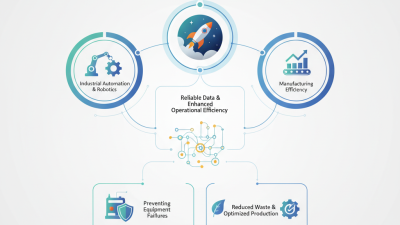
Load sensors are essential tools in various industries for accurate weight measurement. A 50kg load sensor can be found in manufacturing, logistics, and agriculture. In manufacturing, these sensors ensure products meet weight specifications. This precision enhances quality control, reducing waste.
In logistics, load sensors are crucial for weighing shipments. They help prevent overloading, which can damage vehicles. In agriculture, these sensors assist in monitoring crop yields. Accurate data aids farmers in making informed decisions, contributing to better overall productivity.
Tips: Regular calibration of load sensors is vital for maintaining accuracy. Ensure sensors are installed correctly to avoid errors. Periodically check connections and components for wear. Proper maintenance can extend the lifespan of these devices and improve reliability.
While 50kg load sensors provide many benefits, they have limitations. If used in extreme conditions, they may underperform. Always consider the environment where the sensor operates. Understanding their boundaries is crucial for effective weight measurement.

 sales@loadcellsensor.com