
 sales@loadcellsensor.com

news



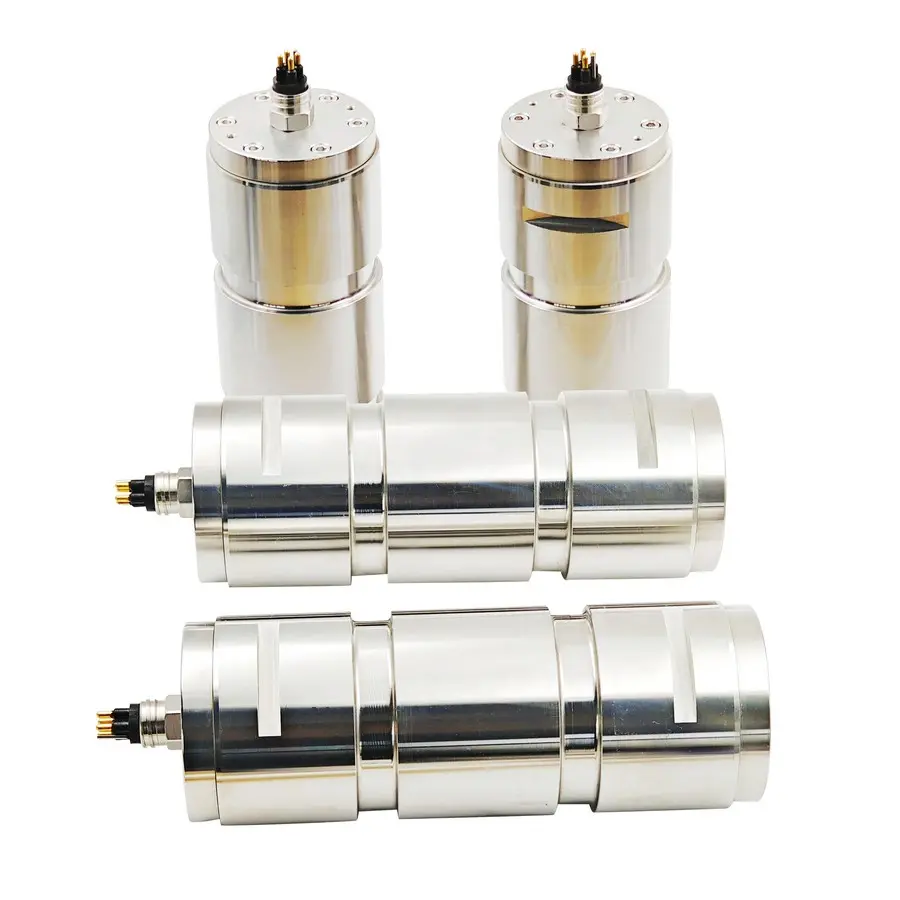

Typical applications of S type load cells
2025-05-13
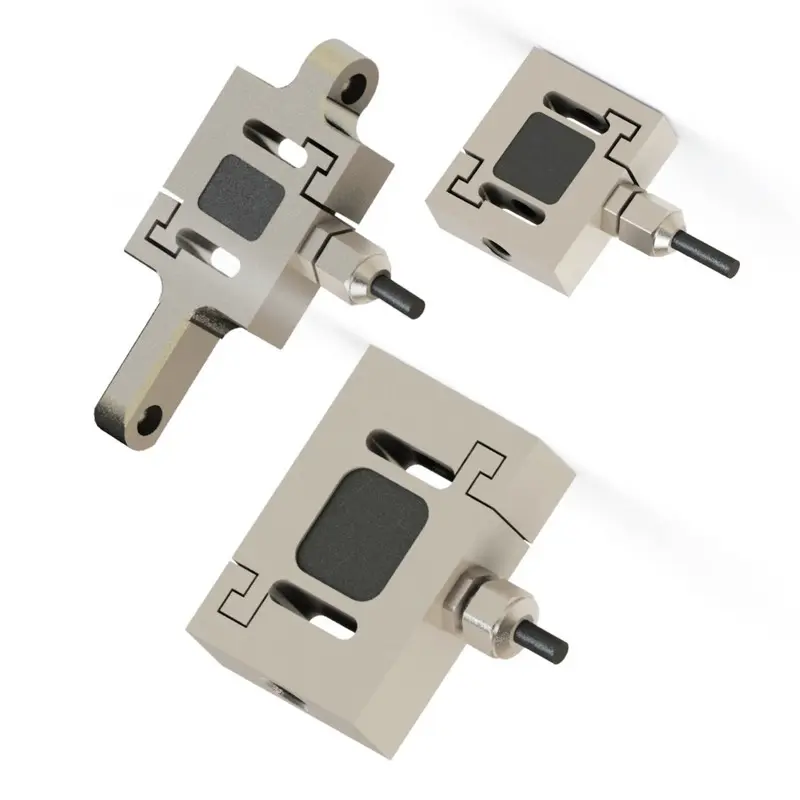
S-Beam Load Cells are highly versatile and widely used force sensors designed to measure both tension and compression forces, which are commonly used in systems requiring force measurement and feedback, such as crane load monitoring, material testing machines, hopper weighing systems, sim racing pedals, coefficient of friction testers, hardness testers, and push pull force gauges.

Load cells for conveyor belt scales
2025-04-14
LCS Tech Co., Limited is committed to delivering innovative and reliable weighing solutions that help businesses improve operational efficiency and maintain quality control. With our high-quality, temperature-compensated, hermetically sealed load cells, you can count on precise and consistent measurements for your belt weigher systems, even in the toughest conditions.
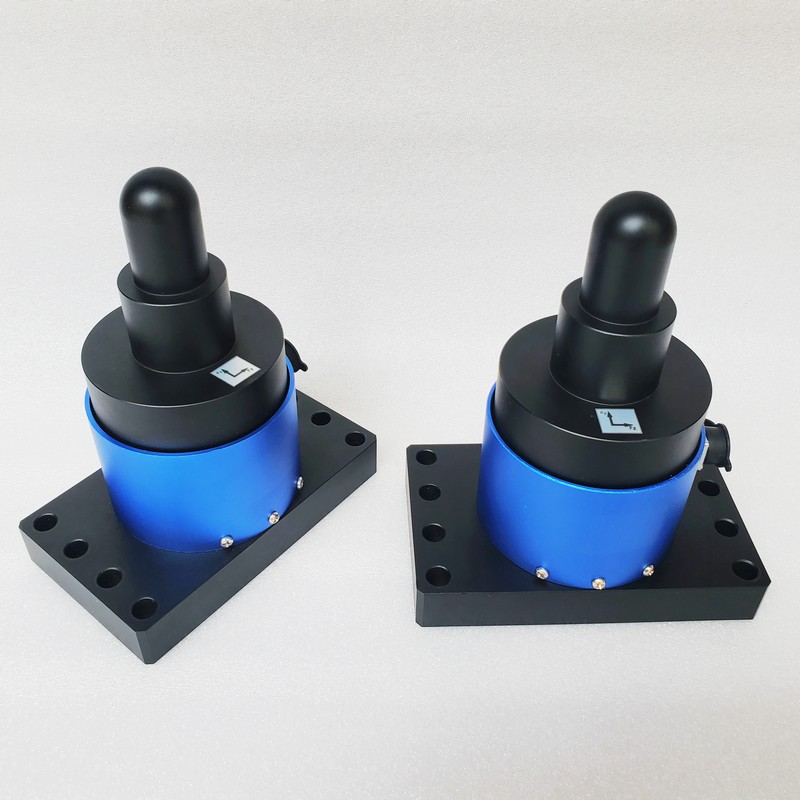
Custom Load Cells for OEM Applications
2025-03-29
LCS Tech Co., Limited delivers custom load cells for enhanced adaptability, offering fully tailored force sensors with flexibility, reliable quality, and competitive pricing.

How are load cells produced?
2024-12-24
Load cells, the devices used to measure force or weight, are precision-engineered components that require a meticulous manufacturing process to ensure their accuracy, durability, and reliability. Below is an overview of how load cells are produced:

Rotary torque sensor and its applications
2024-12-24
Rotary torque transducer is an advanced device engineered to measure torque, or rotational force, applied to a rotating system such as a shaft, motor, or gearbox. It works by detecting torsional forces transmitted through a rotating element using strain gauges. These gauges measure deformation caused by torque and convert it into an electrical signal.

Introducing strain gauge load cell sensors
2024-12-24
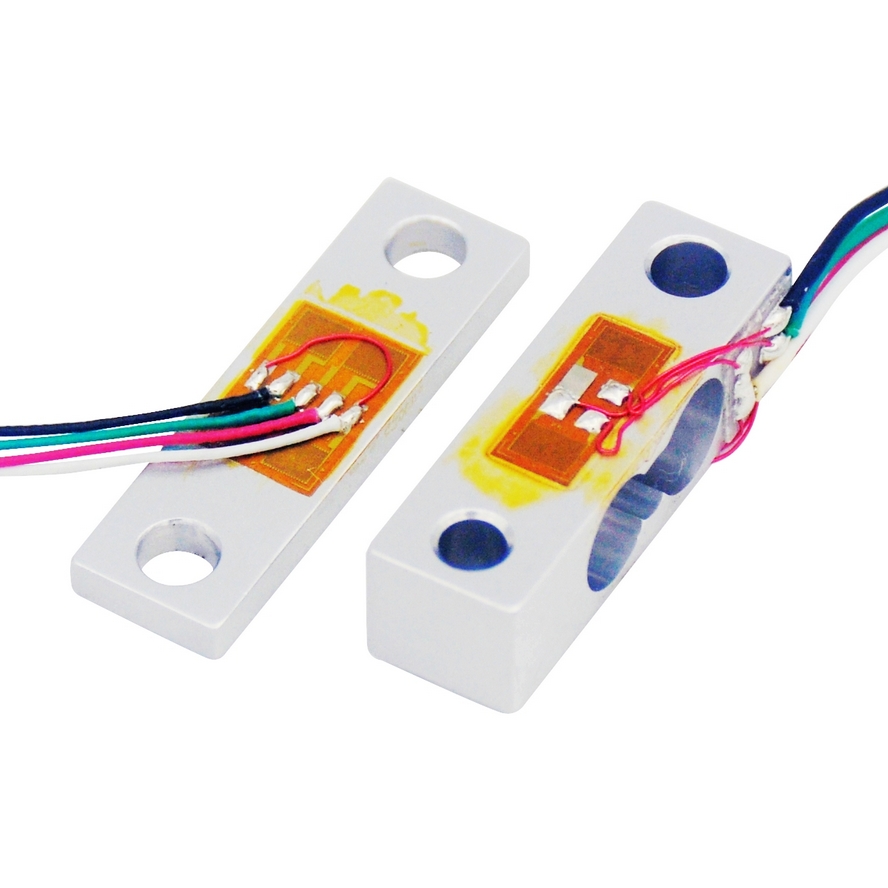
The underlying principle behind load cells lies in the use of strain gauges, which form the core sensing technology of these devices. Structurally, a load cell is built from a metal elastomer, typically aluminum, alloy steel, or stainless steel, to which foil strain gauges are meticulously bonded. When a load cell is subjected to stress—be it force, weight, or torque—the material of the elastomer undergoes deformation or displacement. This deformation results in strain, which the strain gauges detect and convert into measurable electrical signals.