Best MultiAxis Force Sensors for Global Buyers in 2026?
In the rapidly evolving landscape of technology, the demand for precise measurement solutions is growing. Multi-Axis Force Sensors are becoming essential tools for various industries. These sensors can capture force data in multiple directions simultaneously. This feature is crucial for developing advanced applications in robotics, aerospace, and manufacturing.
As we look forward to 2026, global buyers need to understand their options. The market is filled with diverse Multi-Axis Force Sensor products, each offering unique specifications. Buyers often face challenges in selecting the right sensor. Performance, accuracy, and durability are critical factors to consider.
Moreover, the technology behind these sensors is not flawless. There are still challenges, such as calibration issues and environmental influences. Understanding these imperfections is vital for making informed purchasing decisions. As we delve deeper, we’ll explore the best Multi-Axis Force Sensors for 2026, emphasizing practical insights and expert recommendations.
Overview of MultiAxis Force Sensors in 2026
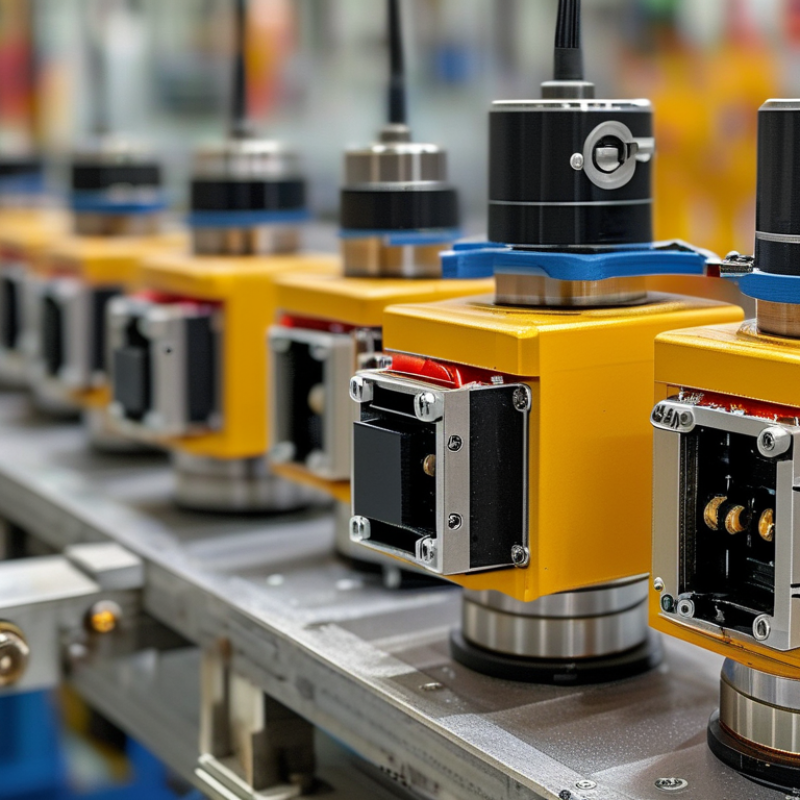
MultiAxis force sensors are becoming essential in various industries by 2026. These sensors measure force in multiple directions, offering greater accuracy and flexibility across applications. Industries such as robotics, medical technology, and aerospace are integrating these devices to improve performance.
Advancements in sensor technology have made these devices more reliable. Manufacturers focus on enhancing precision while minimizing environmental impact. This shift reflects a growing demand for sustainable practices. However, users must remain cautious with emerging technologies. Calibration and data interpretation can be challenging, requiring continuous learning and adaptation.
Moreover, the global market is witnessing a surge in innovations. As more players enter the field, competition may drive down prices. Increased accessibility can boost adoption, but users should weigh the benefits against potential compromises in quality. Selecting the right sensor involves careful consideration of application requirements and anticipated challenges.
Best MultiAxis Force Sensors for Global Buyers in 2026
| Sensor Type |
Measurement Range |
Accuracy (%) |
Operating Temperature (°C) |
Interface Type |
Estimated Price (USD) |
| 3D Force Sensor |
0 - 1000 N |
±0.5 |
-20 to 85 |
USB |
$1500 |
| 6-axis Force Torque Sensor |
0 - 500 N, 0 - 50 Nm |
±1.0 |
0 to 70 |
Ethernet |
$2200 |
| Multi-Axis Load Cell |
0 - 2000 N |
±0.3 |
-10 to 60 |
Analog |
$950 |
| Miniature MultiAxis Sensor |
0 - 100 N |
±0.8 |
-30 to 85 |
Serial |
$500 |
Key Features to Consider When Choosing MultiAxis Force Sensors
Choosing the right MultiAxis Force Sensors is vital for industries like robotics and aerospace. Key features should include accuracy, sensitivity, and reliability. According to a recent market analysis from Fortune Business Insights, the MultiAxis force sensors market is projected to grow significantly, surpassing $1.5 billion by 2026. This growth underscores the demand for precision in sensing technologies.
Sensitivity is particularly crucial in applications like surgical robotics. Slight variations can lead to significant differences in outcomes. Ensure that the sensor’s specifications meet the needs of your application. Review sensor ranges and select the one that fits your operational parameters closely. Often, buyers overlook calibration capabilities, an essential factor in maintaining accuracy over time.
Durability is another consideration. Sensors must withstand various conditions, including temperature fluctuations and physical impacts. Seek sensors that provide data on their performance in challenging environments. Regular maintenance checks can help extend the lifespan of your sensors, but not all companies have procedures in place to ensure this. An underappreciated aspect is the importance of continuous training for staff to understand sensor operation, enhancing overall performance and reliability.
Best MultiAxis Force Sensors for Global Buyers in 2026
Top Manufacturers and Brands of MultiAxis Force Sensors Worldwide
The global market for MultiAxis Force Sensors is rapidly evolving. Numerous companies are stepping up as leaders in this technology. These manufacturers have extensive experience, pushing boundaries in force measurement. Their innovations cater to various industries, including robotics and aerospace. Buyers benefit from a wide selection of sensor types, each suited to specific applications.
Top brands emphasize precision and reliability. They focus on creating sensors that provide accurate data, crucial for decision-making. These sensors must withstand various environmental conditions. Durability is vital, especially in industrial settings. Many companies invest heavily in research and development. This commitment ensures they remain competitive and meet client demands.
While the market is promising, challenges remain. Not all products meet quality standards. Buyers must conduct thorough research before purchasing. Understanding specifications and suitability for intended applications is essential. Many manufacturers offer support, providing guidance on optimal use. This interaction can enhance user experience and product performance. The evolving landscape requires constant adaptation and learning from past experiences.
Applications of MultiAxis Force Sensors in Various Industries
MultiAxis Force Sensors are increasingly vital across various industries in 2026. Their ability to measure force in multiple directions enables precise control in automation. In the robotics sector, these sensors improve the accuracy of robotic arms. This translates into enhanced operational efficiency in manufacturing, where minor deviations can result in significant losses. Reports indicate that the demand for these sensors could rise by 7.5% annually, reflecting their growing importance.
In the healthcare field, MultiAxis Force Sensors help in creating advanced prosthetics. By accurately sensing forces, users experience improved control and comfort. Additionally, in the aerospace industry, these sensors are essential for testing structural integrity under various load conditions. The data helps engineers design safer, more resilient aircraft. Studies reveal that 30% of aerospace failures could be mitigated with better force sensing technology.
It’s important to consider integration challenges. Not all systems may be compatible with new sensor technologies. Ensuring proper calibration is crucial. Industries should invest time in training personnel to use these sensors effectively. Continuous monitoring can reveal insights that manuals might miss. Embracing MultiAxis Force Sensors leads to innovative solutions in efficiency and precision across diverse sectors.
Future Trends and Innovations in MultiAxis Force Sensor Technology
In 2026, multi-axis force sensors are expected to drive significant advancements in various industries. These sensors play a crucial role in robotics and manufacturing. They enable precise measurements of forces in multiple directions. This accuracy improves automation processes and enhances product quality.
One noteworthy trend is the integration of artificial intelligence with sensor technology. Smart algorithms can analyze data in real-time. This allows for adaptive responses to changing conditions. Some sensors will even feature self-calibration capabilities, reducing the need for manual adjustments. However, over-reliance on technology may lead to overlooked calibration errors or misinterpretations of data.
Innovations in materials will also shape the future. Lightweight, durable composites could replace traditional materials. This shift may enhance sensor durability and performance. Nonetheless, challenges remain. The complexity of integrating new materials with existing systems can be daunting. As the industry evolves, continuous research and collaboration will be vital to overcoming these obstacles.

 sales@loadcellsensor.com