How to Choose a Rigging Load Cell?
Choosing a Rigging Load Cell begins with a simple question: what force must the system measure? The answer depends on the lift, the rigging arrangement, and the load’s movement—not merely its stated weight. A cell that fits the capacity but ignores side loading, shock, or attachment geometry can produce misleading readings. Small details matter.
The U.S. Bureau of Labor Statistics reported 5,283 fatal work injuries across all industries in 2023. That figure is not specific to rigging, but it reinforces why lifting decisions need careful controls and reliable measurements. ASME B30.26 addresses rigging hardware, while NIST Handbook 44 provides technical guidance for weighing devices. Neither replaces checking a load cell’s capacity, accuracy, overload protection, environmental rating, calibration status, and compatibility with shackles or links.
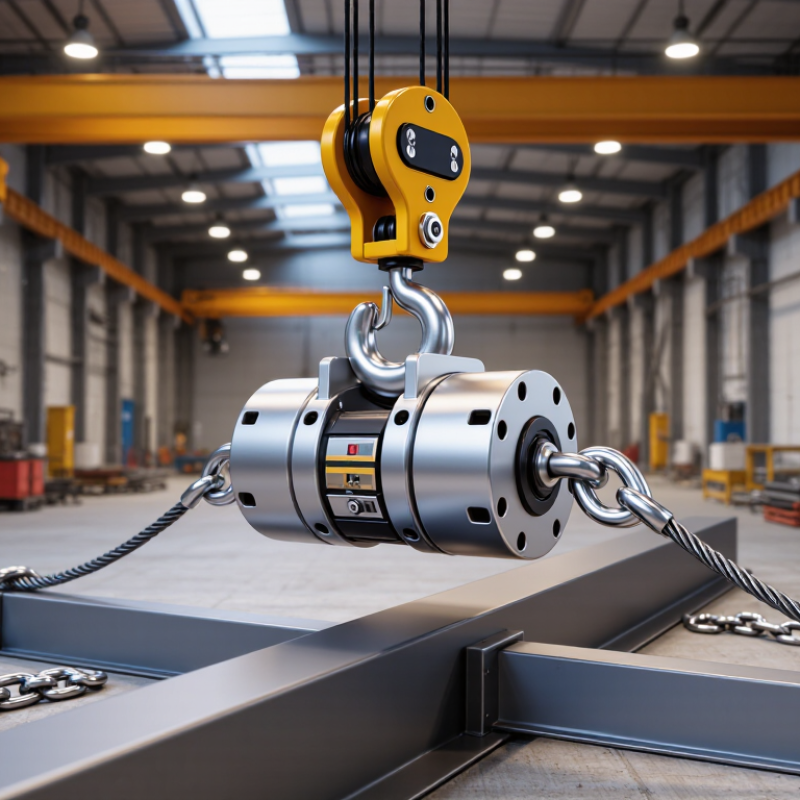
A practical selection starts at the load path. Picture a cell installed between a crane hook and a shackle: misalignment can affect the measurement, even when the display looks steady. Capacity alone is not enough. Still, a load cell cannot prevent every lifting hazard; it measures force, and people must interpret the result correctly.
No source material was provided for a verifiable quotation from a named rigging-load-cell expert, so attributing one here would risk inventing a statement. This guide should therefore compare specifications against the actual lift plan and manufacturer documentation, while treating every reading as one part of a broader safety check. A useful measurement is only useful when its limits are understood.
Identify the Rigging Application and Measurement Requirements
How to Choose a Rigging Load Cell?
Identify the Rigging Application and Measurement Requirements
Start by describing the lift, not by picking a capacity from a catalog. Is the cell measuring a suspended load, checking tension in a guy line, or verifying a test pull? That matters. An overhead lift with a short, rigid connection behaves differently from a long sling that can swing. Marine work may add salt spray, while a dusty plant can challenge connectors and displays. Record the load direction, attachment points, available clearance, and whether readings are static or changing.
Next, define the expected load range and the highest credible peak, including movement or shock. Specify required accuracy, display resolution, sampling rate, units, and how readings will be recorded. Check that shackles or pins fit the rigging without side loading the sensor. Ask for calibration documentation and confirm the cell’s rated capacity suits the planned measurement; do not treat spare capacity as permission to overload it. The U.S. Bureau of Labor Statistics reported 5,283 fatal work injuries in its 2023 Census of Fatal Occupational Injuries, with 1,942 involving transportation incidents. Those figures are not rigging-specific, but they underline why lift planning deserves careful attention. One useful self-check: are you choosing for the heaviest lift alone? Details matter.
Select Capacity, Accuracy, and Safety Factors
How to Choose a Rigging Load Cell?
Select capacity with the complete load path in mind. Include the hook, slings, spreader beams, and any offset loading. A suspended load may swing or start suddenly, creating forces beyond its static weight. Choose a rated capacity that covers the maximum credible load, while keeping normal readings within the instrument’s useful measurement range. Bigger is not always safer: an oversized cell can make small load changes harder to detect. Check the manufacturer’s stated overload limit and design factor; do not treat either as extra working capacity. ASME B30.26 addresses load-indicating devices used in rigging, but the exact selection still depends on the lift and equipment configuration. That estimate can be wrong. Recheck it against the lift plan.
Accuracy matters at the actual working load. ISO 376:2011 defines four calibration classes for force-proving instruments: 00, 0.5, 1, and 2. These classes describe calibration performance, not guaranteed accuracy for an entire rigging setup. Ask for a traceable calibration certificate, and check its uncertainty, test range, and calibration date. A cell calibrated far above your typical load may not provide the precision you need. Watch for side pull, temperature changes, and poor alignment; each can distort readings. Small details matter. Before lifting, compare the display with a known test load when practical, inspect connectors, and confirm that the rated capacity remains visible to the operator. Do not rely on a decimal display alone.
Check Environmental Conditions and System Compatibility
How to Choose a Rigging Load Cell?
Check Environmental Conditions and System Compatibility
A rigging load cell must suit the place where it will work, not just the load on paper. Check the expected temperature range, moisture, dust, and exposure to salt or chemicals. A cell used outdoors may face rain, grit, and sudden temperature changes. In a washdown area, sealing and connector protection deserve close attention. A dry test bay can be misleading. Even brief water exposure may affect connections if the setup is poorly protected. Check the manufacturer’s stated operating limits and enclosure rating rather than guessing from appearance.
Compatibility matters just as much. Confirm the cell’s rated capacity, pin or shackle dimensions, and connection type against the existing rigging. Then check how its signal reaches the display or data system. Some setups need a compatible readout, cable, or wireless receiver. Verify that the full assembly has been calibrated and that the display uses the correct units. A mismatch can produce confusing readings. Small details count. Consider vibration, impact, and how often the rig will be moved; these conditions can affect performance and inspection needs. It is easy to focus only on capacity, and I have seen that choice create avoidable setup problems. Read the technical documentation and ask a qualified supplier to confirm fit before putting the cell into service.
Verify Calibration, Certification, and Inspection Needs
A rigging load cell is only useful when its reading can be trusted.
Check that its calibration certificate identifies the unit by serial number, states the tested range, and records measurement uncertainty and traceability. ISO 376:2011 sets requirements for calibrating force-proving instruments; ask whether the method suits your load cell’s intended range. A certificate without clear test points is hard to assess. Look closely.
Inspection matters between calibrations.
Before a lift, check the housing, load pins, connectors, and display for cracks, corrosion, bent parts, or erratic readings. Record overloads and impacts; either can affect accuracy even when damage is subtle. The U.S. Bureau of Labor Statistics counted 5,283 fatal work injuries in 2023 across all industries. That figure is not specific to lifting, but it reinforces the value of disciplined equipment checks. Set recalibration intervals using service frequency, load cycles, environment, and the consequences of an incorrect reading. There is no single interval that fits every job. A current certificate can still create false confidence if the device has since been overloaded or exposed to harsh conditions.
A second check helps.
Compare the displayed reading with a known test load when practical, and document anything unusual. BLS, Census of Fatal Occupational Injuries, 2023.

 sales@loadcellsensor.com